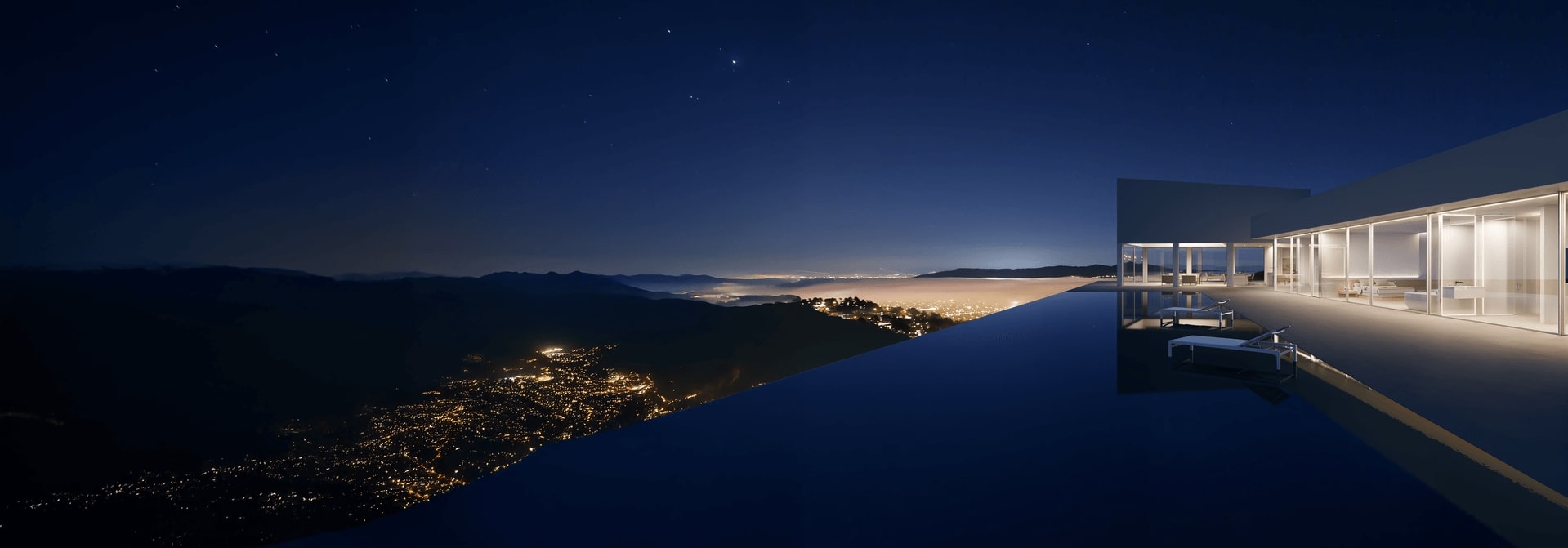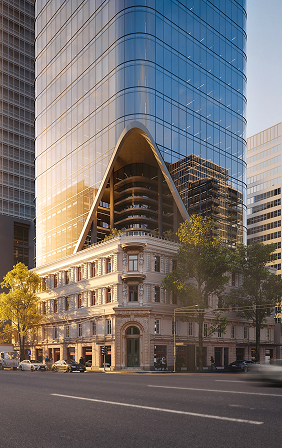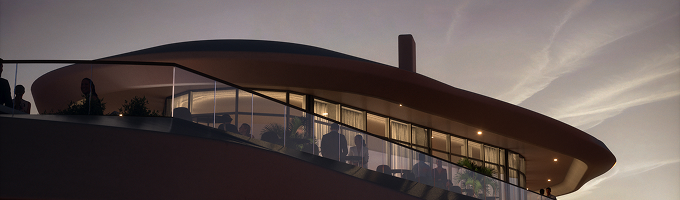

The market for architectural visualization and 3D rendering reached 3.28 billion in 2023, and the demand continues to grow. Architects, developers, and real estate teams increasingly rely on architectural rendering software to visualize projects with a level of clarity that goes far beyond traditional drawings or early-stage sketches.
High-quality architectural visuals are no longer optional. Today, decision-makers expect accurate, detailed, and photorealistic representations that reflect how a space will actually look and function. Achieving this level of realism depends not only on talent but also on using the right architectural visualization software and rendering tools aligned with each stage of the workflow.
In practice, professional results require more than standalone software. A structured pipeline, experienced specialists, and advanced rendering tools work together to translate architectural intent into compelling visuals. That is why many teams collaborate with a professional architectural render service that combines deep technical expertise with industry-leading 3D architectural rendering software to support confident, real-world decision-making.
Creating immersive and believable spaces requires a strong balance between artistic vision and technical precision. 3D rendering studios, such as Fortes Vision, use a combination of skilled teams and advanced architectural rendering software to deliver visuals that feel realistic, engaging, and emotionally convincing. Below, we explore the best architectural rendering software and tools that play a critical role in modern architectural visualization workflows.
Best Architectural Rendering Software for 3D Visualization
Choosing the right architectural rendering software is essential for producing realistic 3D visualization, detailed interior scenes, and convincing exterior renderings. Today, architects and designers rely on advanced rendering software for architecture to accelerate workflows, improve design accuracy, and communicate ideas clearly to clients and stakeholders.
In this guide, we’ve selected the best architectural rendering software and tools used across the industry. The list includes solutions for architectural visualization, concept development, animation, and free architecture software options suitable for beginners and early-stage projects.
What is the use of architectural rendering software
Architectural rendering software plays a central role in how architecture projects are designed, evaluated, and presented. It transforms concepts into clear, visual representations that support better communication and smarter decisions throughout the project lifecycle.
Key uses include:
- Visualizing architectural concepts. 3D rendering software converts sketches and CAD models into detailed 3D representations of buildings, interiors, and urban spaces, allowing stakeholders to understand the project before construction begins.
- Improving design accuracy. Accurate lighting, materials, and spatial relationships help architects evaluate how design choices affect the final result, from daylight behavior to surface finishes.
- Strengthening presentations. Architectural visualization software allows teams to present projects under different lighting conditions, seasons, and perspectives, making proposals clearer and more persuasive.
- Facilitating collaboration. Shared 3D models improve communication between architects, clients, engineers, and approval authorities, streamlining revisions and approvals.
- Saving time and budget. Identifying design conflicts early through 3D visualization reduces costly changes during construction.
- Supporting innovation. Modern workflows combine rendering software with virtual reality and immersive visualization, enabling users to explore spaces interactively.
Through real-time rendering, architectural rendering software enables responsive and realistic visualization workflows. Photorealistic objects, accurate lighting, and refined materials help artists create visuals that closely resemble real-world environments.
Benefits of architectural rendering
Architectural rendering technology reshapes how projects are imagined and communicated. By combining detailed 3D models with high-quality architectural visualization, rendering software helps professionals present ideas with clarity and confidence.
Architects benefit from improved control over lighting, materials, and spatial composition, enabling precise evaluation of design decisions. Investors gain a deeper understanding of a project’s potential through visual scenarios that illustrate how buildings perform in different conditions. Clients enjoy a more transparent collaboration process, reviewing and refining designs visually rather than relying on abstract plans.
At a broader level, architectural rendering software contributes to efficiency and sustainability. Early visualization helps reduce material waste, optimize layouts, and identify environmental considerations before construction begins. As rendering technology continues to evolve, its integration with virtual reality further enhances how future spaces are explored and experienced.
Read also: HOW TO OUTSOURCE 3D RENDERING: YOUR ULTIMATE GUIDE
The features of architectural rendering software
Modern architectural rendering software offers a wide range of features designed to support both creative and technical workflows:
- Photorealistic visualization. Advanced rendering engines use ray tracing and global illumination to produce realistic lighting, shadows, and reflections.
- Material and texture control. Extensive libraries allow precise replication and customization of surfaces, from glass and metal to concrete and fabric.
- CAD and BIM integration. Seamless compatibility with design software ensures smooth transitions between modeling and visualization stages.
- Animation and virtual walkthroughs. Animated sequences and interactive tours enhance presentations for clients and investors.
- Scalability and performance. Rendering software supports projects of varying complexity, from interiors to large-scale developments, with optimization and cloud rendering options.
- User-friendly interfaces. Intuitive tools and educational resources make advanced rendering software accessible to professionals at different experience levels.
- Sustainability analysis. Some tools include features for evaluating energy efficiency and environmental impact during early design stages.
Read also: CASE STUDY: AI-POWERED PHOTO-REALISTIC PEOPLE IN 3D INTERIOR VISUALIZATION
14 Best Architectural Rendering Software
Below, we review the most widely used architectural rendering software and tools, organized by workflow stage to help you choose the right solution for your needs.
Design stage
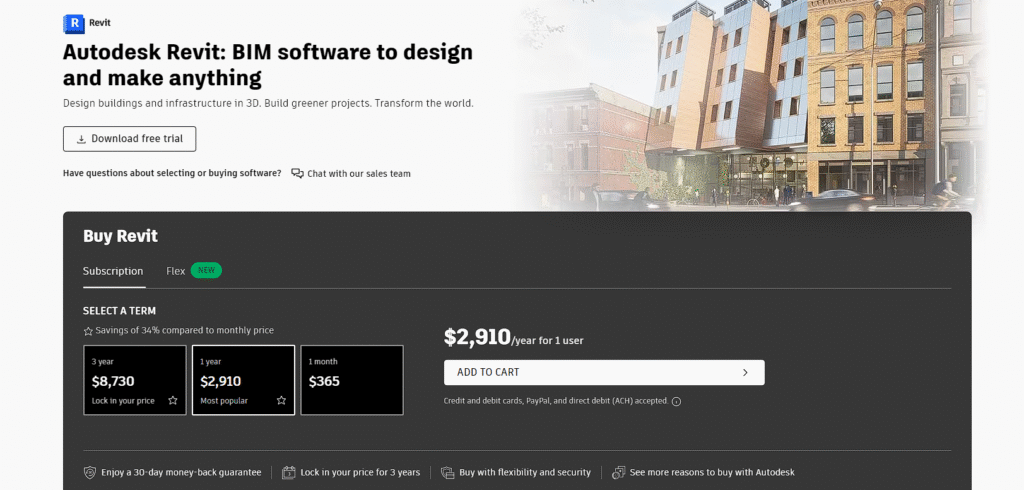
Revit is a core BIM-focused solution widely used by architects, engineers, and designers. It enables the creation of detailed 3D models with automated documentation and strong coordination across teams. Revit supports accurate architectural visualization during the design stage while maintaining strict control over data, structure, and project consistency throughout the building lifecycle.
ArchiCAD, with its focus sharply on BIM design, is a treasure for those keen on delving into every nuance of their projects. Celebrated for its intuitive interface and robust design and documentation functionalities, ArchiCAD extends a warm welcome to novices while still packing a punch for the veterans. Steeped in the rich tradition of architectural design, ArchiCAD is reminiscent of a seasoned architect, a custodian of the secrets to perfect space creation. It offers a comprehensive suite for drafting detailed plans and architectural visualizations and managing projects from inception to culmination, complete with a detailed revision history. ArchiCAD stands as a timeless bridge linking the historical ethos of architectural design with the vibrant possibilities of tomorrow, enabling the realization of the boldest ideas.

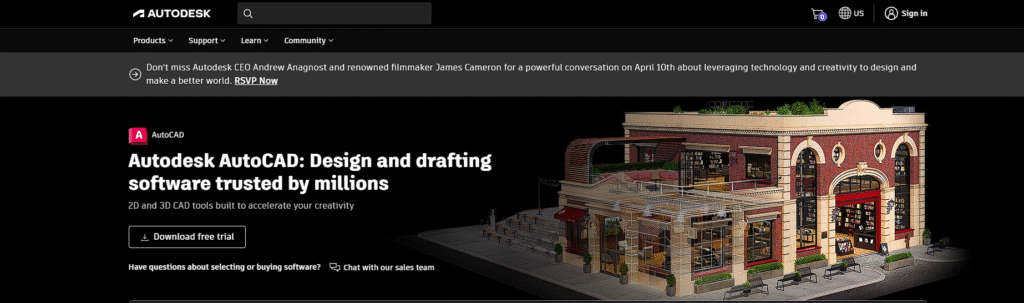
AutoCAD is the quintessential foundation for anyone engaged in drafting. A stalwart in the realms of engineering and architecture, this 3D rendering software has stood the test of time, guiding the hands that shape our world. AutoCAD simplifies the transformation of visions into precise, detailed plans, facilitating the creation of intricate drawings with unmatched accuracy. This program is a chameleon, adapting to both beginners and seasoned professionals, offering a suite of advanced 2D and 3D design tools that cater to a broad spectrum of disciplines. AutoCAD’s hallmark lies in its precision and adaptability, empowering users to forge complex and meticulous technical drawings.
SketchUp – Intuitive Architecture Design Software for Beginners
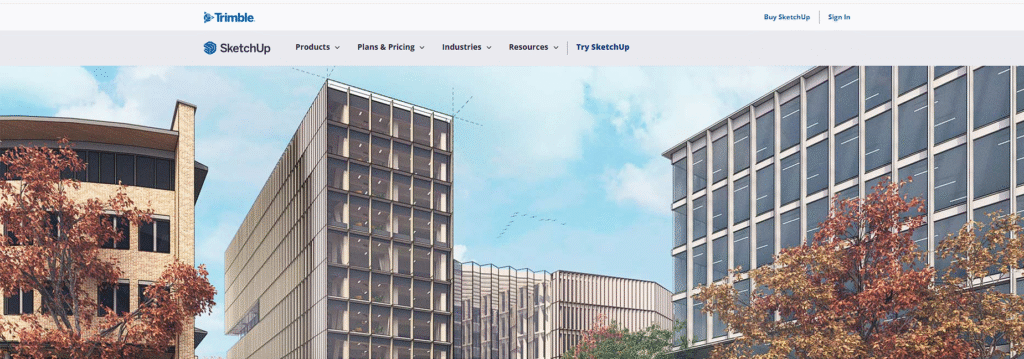
SketchUp emerges as a dynamic playground for both professionals and enthusiasts. Its forte lies in the swift creation of conceptual models and engaging interactive designs. SketchUp has garnered a following among architects, interior and landscape designers, praised for its user-friendly interface and a vast repository of pre-made components. The program is a catalyst for creativity, inviting users to explore and mold shapes and volumes, envisioning spaces long before the groundbreaking ceremony. SketchUp is a muse for the imaginative mind, offering a canvas where architectural concepts come to life with just a few clicks, laying the groundwork for what’s to come.
3ds Max – Advanced 3D Visualization Tool for Architecture
After our journey through the realm of design concludes, we embark on the transformative journey of visualization. In this phase, raw models evolve into stunning visuals brimming with life and realism. Let’s explore three exceptional programs that act as the alchemists of this magical transformation, each distinguished by its unique history and comprehensive suite of features.
3Ds Max is a vast workshop where every tool and technique has been refined for architectural visualization (archviz). Renowned for its formidable feature set, 3ds Max serves as a sanctuary for professionals seeking to infuse their projects with unmatched realism. It’s recognized as the benchmark in archviz, equipped with an extensive array of lighting, texturing, and software rendering tools that vivify architectural models. From the complexities of daylight simulation to the precise detailing of materials, 3ds Max enables artists to narrate their project’s story through rich imagery. It represents a confluence of technical mastery and artistic vision, crafting visuals that enchant and motivate.
Blender – Free 3D Rendering Software for Architecture
Blender unveils a realm where the limits of architectural visualization are bound only by one’s imagination. This potent, open-source instrument champions versatility, catering to an array of creative pursuits from modeling and animation to software rendering. Blender’s allure stems not just from its cost-effectiveness (or the absence thereof) but from its continually growing collection of features, nurtured by a dedicated community. It provides a canvas for storytelling, where architects and designers can experiment without restraint, melding elements of their 3D models with dynamic lighting, lifelike textures, and ambient effects. Whether for conceptual sketches or definitive visualizations, Blender stands as a testament to the might of community-led innovation, democratizing sophisticated visual narratives for everyone.
Cinema 4D – High-End 3D Rendering Software for Architecture
Cinema 4D emerges as a haven for animators, inviting us into a domain where motion revives architectural dreams. Celebrated for its intuitive interface and streamlined workflow, it’s the premier selection for designers aspiring to integrate the element of time into their visual stories. Armed with potent modeling tools, cutting-edge software rendering technologies, and a user-friendly animation framework, Cinema 4D metamorphoses static models into engaging narratives. Whether it’s capturing the sun’s journey across the sky, the shadows cast by structures, or the gentle sway of leaves in the wind, Cinema 4D brings these scenes to life. It fosters an environment where technical prowess blends with creative exploration, empowering designers not only to display their creations but also to weave tales that captivate the audience’s imagination.
Corona Renderer – Photorealistic Architectural Rendering Software
To transform technical models into visual masterpieces, we rely on specialized software rendering programs, each endowed with its unique enchantment. Allow us to unveil the tales and capabilities of such tools that breathe life into our projects.
Corona Renderer emerges as a silent maestro, adept in crafting static images of exceptional render resolution. With its remarkable precision and meticulous attention to detail, Corona Renderer metamorphoses architectural visions into lifelike renditions, imbuing scenes with authentic natural lighting and realistic shadows. It stands as the ideal choice for those in pursuit of depth and emotional richness within every frame of their project.

V-Ray – Professional Architectural Visualization Software
V-Ray holds its ground as a seasoned veteran in the realm of architectural visualization, likewise tailored for static CGI. Renowned for its fidelity in material and light reproduction, it empowers architects and designers to forge scenes of striking photorealism. V-Ray acts as a conduit between fantasy and tangible reality, enlivening each design element with astonishing accuracy.
Unreal Engine – Advanced Real-Time 3D Visualization Tool for Architecture
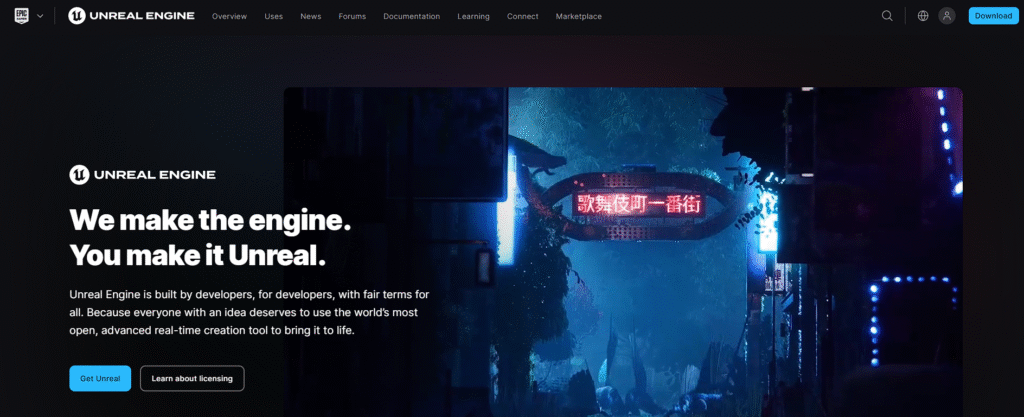
Unreal Engine wields formidable influence in the animation domain, endowing creators with the capacity to animate their 3D models. Leveraging GPU prowess, it excels at crafting dynamic visualizations in real-time, escorting viewers into virtual realms laden with scenic beauty and interactive features. Unreal Engine, the sorcerer of realism, unveils infinite avenues for crafting mesmerizing animations.
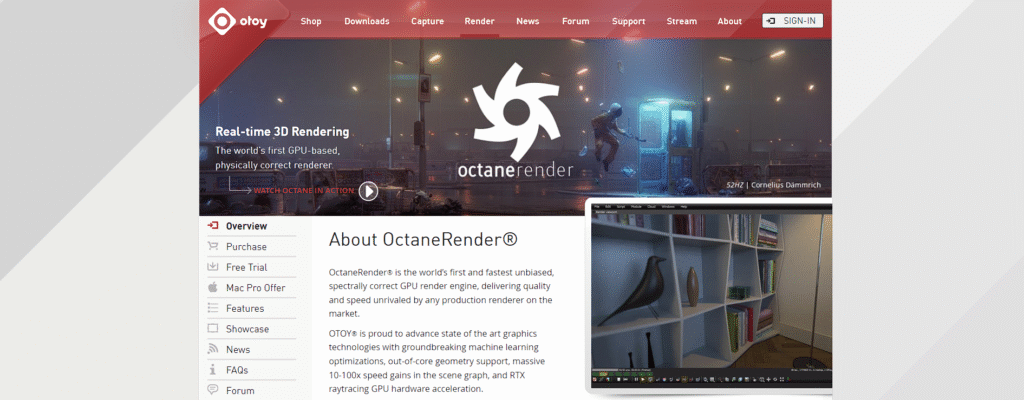
FStorm and Octane Render, two more gems in the crown of animation rendering, exploit GPU capabilities to deliver animations of superior quality. They offer instantaneous scene updates, facilitating swift experimentation with various lighting conditions, shadows, and materials. These platforms serve as veritable labs for exploration within the visualization sphere, with each project presenting a fresh learning opportunity.
Lumion – Real-Time Architectural Rendering Software
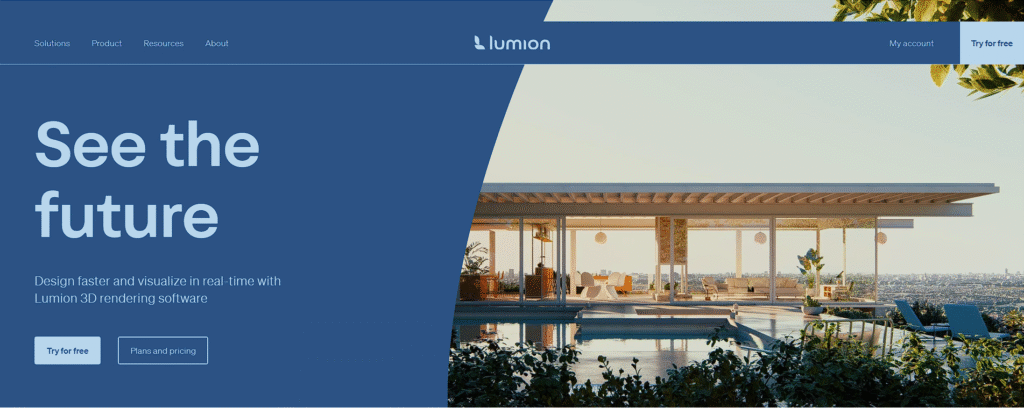
Lumion distinguishes itself through its capability for instant software rendering, harmoniously blending realistic weather scenarios, detailed environments, and animated elements like pedestrians or vehicles in motion. Thanks to its expansive library of materials and objects, Lumion enables users to enhance their scenes effortlessly, infusing them with depth and authenticity sans complex configurations.
Twinmotion – Easy 3D Visualization Software for Architecture
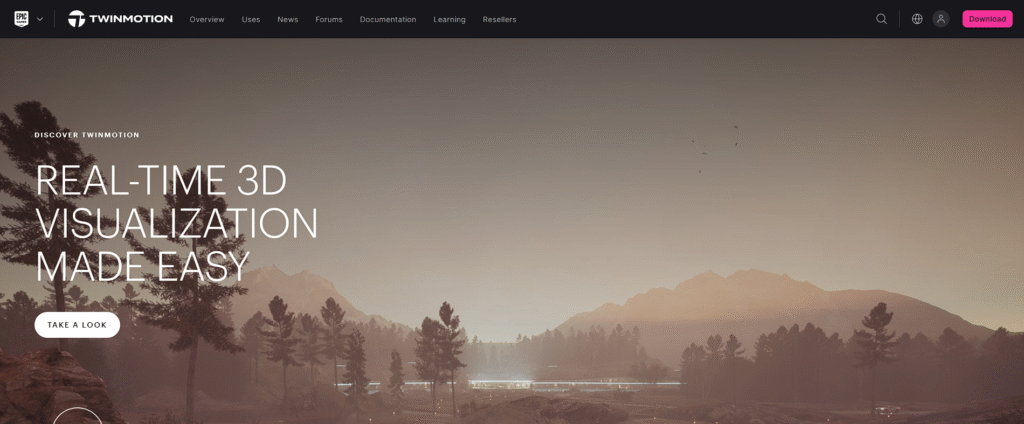
Twinmotion, built upon the Unreal Engine framework, extends a broad spectrum of possibilities for architecture, interior visualization, and urban planning. It facilitates flawless integration with leading 3D modeling tools such as SketchUp and Revit, simplifying the direct import of models into Twinmotion. It’s adept at generating photorealistic scenes characterized by dynamic lighting, changing weather, and shifting seasons, as well as animating elements within the scene to invigorate video presentations.
Post-production
Post-production is the final stage of the architectural visualization workflow, where rendered images and animations are refined for presentation and delivery. At this stage, tools such as Photoshop and Premiere Pro are commonly used to enhance and finalize visual output produced by architectural rendering software.
Photoshop allows artists to fine-tune images by adjusting colors, contrast, lighting balance, and atmospheric elements. It is often used to enhance realism, add background details, or subtly reinforce the intended mood of an architectural visualization. Whether refining daylight conditions or integrating environmental elements, Photoshop serves as a critical extension of the rendering pipeline.
Premiere Pro plays a key role in post-production for animations and video-based architectural presentations. It enables the assembly of rendered sequences into cohesive visual narratives through precise editing, transitions, sound design, and motion refinement. This stage ensures that architectural animations not only demonstrate design intent but communicate it clearly and effectively.
Challenges of Future Architectural Rendering Software
Despite rapid technological advancement, architectural rendering software continues to face several challenges as expectations for realism, speed, and accessibility increase. Below are some of the key difficulties shaping the future of architectural visualization tools.
- Hardware and resource demands. As 3D rendering software delivers higher levels of realism, hardware requirements continue to rise. Large-scale architectural visualization projects may require significant computing power, making high-end workflows less accessible for smaller studios or independent professionals. This challenge directly impacts the cost and feasibility of producing photorealistic renderings.
- Balancing realism with performance. Achieving photorealistic results while maintaining fast rendering times remains a technical challenge. Developers must optimize architectural rendering software to deliver high-quality visuals without excessive processing delays, particularly for real-time rendering applications.
- Integration with emerging technologies. Architectural visualization tools must continuously adapt to innovations such as virtual reality, artificial intelligence, and machine learning. Ensuring smooth integration with these technologies while preserving stability and usability is an ongoing challenge for software developers.
- Usability across skill levels. Designing intuitive interfaces that serve both beginners and advanced users requires careful balance. Architectural rendering software must support simple conceptual visualization while remaining powerful enough for complex, large-scale projects.
- Data security and intellectual property protection. As digital workflows become central to architectural rendering, protecting 3D models and design data from unauthorized access is increasingly important. Software solutions must enable collaboration without compromising data security.
Free Architecture and 3D Rendering Software for Beginners
For those entering the field, several free architectural rendering software options provide an accessible introduction to 3D modeling and visualization. These tools allow beginners to understand core workflows without investing in commercial software.
Popular free architecture and 3D rendering software options include Blender, SketchUp Free, and Fusion 360 for educational use. While these solutions may lack advanced photorealistic features, they are well suited for concept development, basic visualization, and skill-building within architectural workflows.
Conclusion
Architectural visualization continues to evolve alongside advances in technology, expanding the creative and technical possibilities available to designers and architects. Modern architectural rendering software enables professionals to visualize ideas with greater accuracy, efficiency, and realism than ever before.
The tools discussed in this guide represent widely adopted solutions within architectural visualization workflows, supporting everything from early-stage design to final presentation. By understanding their capabilities and limitations, professionals can select the right software to support informed decision-making, effective communication, and high-quality visual outcomes.
Your Journey | to Marketing Renders | That Bring Out | The Best in Your | Project
Read Our Whitepaper