Most clients judge 3D rendering by the final image. That is normal. The render is what they see, share, approve, or use in a sales deck. But the final image is only the last step of a much larger production process.
This is where many problems start.
A studio can have a strong-looking portfolio and still deliver weak results on a new project. Timelines can slip. Revisions can grow out of control. Materials may look different from the reference. Lighting may feel flat. The final image may look “almost right”, but not good enough for investor presentations, approvals, or real estate marketing.
That gap usually does not happen because someone “forgot to make it beautiful”. It happens because professional rendering services depend on a controlled workflow. Briefing, scope definition, modeling, lighting, materials, camera logic, revision management, and QA all affect the result.
For architects, developers, and real estate teams in the U.S. market, this matters because visuals are rarely used only as decoration. They support business decisions. A render may help secure internal approval, explain a design to non-technical stakeholders, support pre-sales, attract investors, or reduce uncertainty before construction starts.
That is why high-quality 3D rendering services should not be treated as simple image production. A professional rendering workflow needs structure. It needs technical accuracy, visual direction, clear communication, and realistic control over deadlines.
This article explains how architectural rendering services actually work behind the scenes. It also explains why quality can vary so much between studios, what a client should prepare before production starts, and how a structured process reduces risk before the first draft is ever delivered.
Why Rendering Quality Differs So Much Between Studios
Two studios can receive the same drawings and deliver very different results. One render may feel realistic, clear, and ready for a serious presentation. Another may look technically complete but lifeless, inaccurate, or visually inconsistent.
The difference usually comes from process.
Many 3D rendering companies show polished portfolio images, but a portfolio does not always reveal how the work was produced. Some images may come from long-term projects with unlimited revisions. Some may be older showcase pieces. Some may involve outsourced production chains where the quality depends heavily on who actually works on the project that week.
This is one reason clients often struggle when comparing architectural rendering companies. The visible output may look similar at first, but the production system behind it can be completely different.
High-end rendering requires both technical and artistic control. Clean geometry matters. Correct proportions matter. Lighting needs to behave naturally. Materials need to respond to light in a believable way. Camera angles need to show the project clearly without distorting the design. And the final image needs to match the commercial goal, not just look attractive.
This is where weaker workflows break down.
A rushed team may start rendering before the model is properly prepared. A low-cost vendor may use generic materials that do not match the real specification. Another studio may focus on dramatic visuals but ignore scale, daylight direction, or architectural accuracy. The result may look impressive for a second, but it will not hold up when an architect, developer, investor, or buyer starts looking closely.
Professional photorealistic rendering services require quality control at every stage. The studio needs to check geometry, references, lighting, materials, camera composition, and final post-production. Without that control, errors move forward through the project and become harder to fix later.
This is also why CGI rendering services should not be judged only by price or turnaround time. Fast production can be useful, but only if the workflow is stable. Cheap production often saves money at the beginning and creates more cost later through extra revisions, delayed approvals, or weak marketing visuals.
At Fortes Vision, this is why we treat professional 3D rendering services as a structured production process, not a one-step design task. The image matters, but the workflow behind the image is what makes the result reliable.
Step 1: Project Brief and Scope Definition
Strong rendering starts before modeling. This is the part many clients underestimate.
A good project brief protects the timeline, the budget, and the quality of the final result. It helps the studio understand what needs to be shown, who the visual is for, how realistic it should be, and what decisions the image needs to support.
Without that clarity, even an experienced rendering team has to guess. And guessing creates problems.
For example, a developer may need visuals for pre-sales, while an architect may need them for design approval. Those are not the same tasks. A pre-sales image may need stronger emotional appeal, warm lighting, lifestyle context, and buyer-friendly composition. An approval-focused image may need clearer scale, context, facade accuracy, and a more neutral presentation.
The same applies to realism level. Not every rendering service needs the same finish. Early design visuals can be simpler if the goal is internal alignment. Investor materials or public marketing assets usually require much more control over materials, atmosphere, and post-production.
This is why professional rendering and visualization services begin with scope definition. The studio needs to clarify the project stage, target audience, required views, number of images, available source files, reference materials, revision process, and deadline.
What Clients Should Prepare Before Production Starts
Before production begins, clients should prepare the core materials that define the project. These usually include architectural drawings, CAD or BIM files if available, floor plans, elevations, sections, material references, mood boards, landscape direction, camera preferences, and examples of visual style.
The brief does not need to be perfect. But it needs to be specific enough to avoid confusion.
For architectural visualization services, the most useful input usually answers five questions:
Clear scope definition also helps prevent unrealistic deadlines. Rendering takes time because each stage depends on the previous one. If the model is incomplete, materials are unclear, or the target audience is not defined, production slows down.
An experienced studio reduces that risk early. It asks the right questions, confirms the deliverables, defines the revision path, and makes sure the visual direction matches the actual business goal. That is what separates a basic 3D visualization service from a production process built for real project outcomes.
Step 2: 3D Modeling and Scene Preparation
Once the scope is clear, the next step is scene preparation. This is where realistic rendering starts to take shape. Before lighting, materials, or post-production can work properly, the 3D model needs to be clean, accurate, and ready for production.
This stage is often invisible to clients, but it has a major impact on the final image. If the geometry is weak, the render will feel wrong even if the lighting and materials are polished. Walls may look slightly off. Furniture may feel out of scale. Facade details may not align. Small errors can make the whole image look less believable.
Professional 3D modeling and rendering services usually begin with checking the files provided by the client. These may include CAD drawings, BIM models, SketchUp files, Revit exports, floor plans, elevations, sections, or reference images. Sometimes the model is already detailed. Sometimes it needs cleanup, reconstruction, or additional modeling before rendering can begin.
This is where a structured workflow matters. A rushed team may import the available files and start rendering too early. That can save a few hours at the beginning, but it often creates problems later. Broken geometry, missing facade elements, incorrect proportions, and poor topology can all affect realism. These issues may not be obvious in a raw model, but they become very visible once light, shadows, and materials are applied.
For architectural 3D rendering services, model accuracy is not just a technical detail. It affects how the building is understood. A balcony that is too shallow, a ceiling that feels too low, or a window frame that lacks depth can change the perception of the whole project. That matters when the visual is used for approvals, investor presentations, pre-sales, or design validation.
Why Weak Modeling Creates Unrealistic Renders
Weak modeling usually creates one of two problems. The first is visual inaccuracy. The project may look different from the actual design intent. The second is poor realism. Even if the design is technically correct, the render may feel flat or artificial because the model does not contain enough depth, detail, or scale logic.
This is why experienced studios pay attention to geometry optimization before moving into the visual stage. They check scale, align architectural elements, refine visible details, simplify unnecessary data, and make sure the scene is stable enough for production. The goal is not to over-model everything. The goal is to model what the camera will actually need to show convincingly.
That balance is important. A render does not need unnecessary complexity hidden outside the view. But it does need accurate visible details: window reveals, ceiling transitions, wall thickness, material edges, furniture scale, landscape elements, and facade depth. These details help the image feel built, not generated.
Fortes Vision treats modeling and scene preparation as part of the visual strategy, not just a technical setup step. This is especially important for 3D architectural rendering services, where accuracy, realism, and presentation quality need to work together. A strong architectural render service should make the project easier to understand, not create new questions about what is real and what is missing.
Step 3: Materials, Textures, and Lighting
After the model is prepared, the next major stage is material and lighting setup. This is where many renders either become believable or start to look artificial.
Materials and lighting work together. A good texture will still look fake if the light is wrong. Good lighting will not save a material that behaves like plastic when it should look like stone, wood, glass, brick, metal, or fabric. Realism depends on how surfaces react to light, reflection, shadow, and camera exposure.
This is one of the main reasons photorealistic rendering services require more than software skills. The artist needs to understand how real materials behave. Concrete is not just gray. Glass is not just transparent. Wood is not just a texture placed on a surface. Each material has depth, roughness, reflection, scale, and imperfections. If those properties are wrong, the image may look clean, but not real.
Lighting is even more important. In architectural visualization, light defines atmosphere, depth, and spatial understanding. It shows the shape of a room, the rhythm of a facade, the height of a ceiling, and the relationship between interior and exterior space. Bad lighting can make a strong design look weak. Good lighting can help the viewer understand the project faster.
What Makes a Render Look Photorealistic
A photorealistic render usually feels believable because several elements work together. The lighting has a clear source. Shadows fall naturally. Materials have the right scale. Reflections are controlled. The camera behaves like a real camera. The image has depth, but it is not overprocessed.
Many weak renders fail because they try to look dramatic instead of realistic. The sky is too intense. The reflections are too sharp. The lighting has no logical source. Interior spaces are too bright in areas that should be softer. Exterior images may look flat because the scene lacks atmospheric depth or natural contrast.
For professional digital rendering services, this stage requires calibration. The studio needs to match material references, define the right daylight or evening mood, control exposure, and make sure the render supports the project goal. A hospitality interior may need warmth and atmosphere. A commercial exterior may need clarity and scale. A residential sales image may need comfort, natural light, and a strong emotional feel.
This is also where CGI rendering services can either help or hurt the project. CGI allows a high level of control, but too much control can make the image feel artificial. Real buildings and interiors are not perfect. Small imperfections, natural shadows, believable reflections, and realistic material variation make the final image more credible.
Why Lighting Is More Important Than Most Clients Realize
Clients often focus on materials first. That makes sense because materials are easy to name: stone, glass, wood, concrete, metal, fabric. But lighting is what makes those materials readable. The same material can look premium, flat, cheap, warm, cold, realistic, or fake depending on how it is lit.
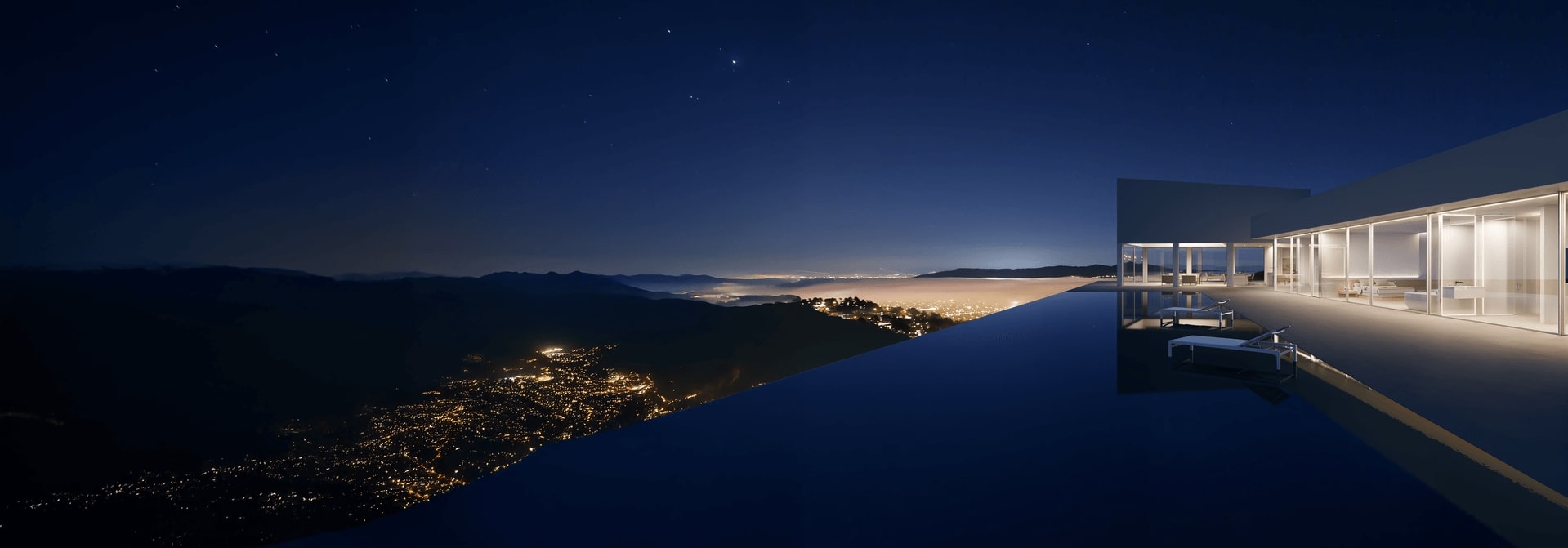
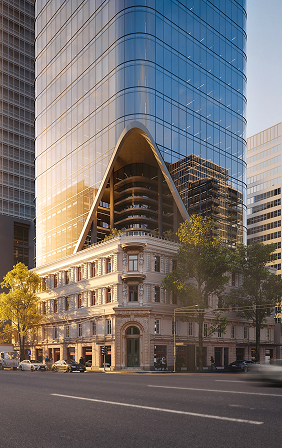
In exterior rendering, lighting controls the whole mood of the project. A morning view may feel clean and calm. A sunset view may feel more emotional and marketable. A dusk view may work better for hospitality, luxury residential, or commercial projects because it shows artificial lighting and atmosphere.
In interior rendering, lighting affects how people understand comfort, scale, and usability. Poor lighting can make a room look smaller, colder, or less functional than it really is. Strong lighting direction helps guide the eye and makes the space easier to read.
This is why Fortes Vision treats lighting as a strategic part of every architectural visualization rendering service. We do not use lighting only to make a scene brighter. We use it to explain the project, guide attention, and support the emotional and commercial purpose of the image.
For U.S. developers, architects, and real estate marketers, this matters because visuals often need to compete in a crowded market. Buyers and investors may not know why one image feels more trustworthy than another. But they can feel the difference. Realistic lighting and material work help a project look more finished, more credible, and easier to believe.
Step 4: Camera Direction and Composition
After the model, materials, and lighting are in place, the studio needs to decide how the project should be seen. This is where camera direction and composition become critical.
A render is not just a view of a building or room. It is a controlled presentation. The camera decides what the viewer notices first, how large the space feels, how the design is understood, and whether the image supports the intended business goal.
Weak camera direction can make a strong project look confusing. A bad angle can distort proportions. A poor focal point can make the viewer miss the most important part of the design. An unrealistic perspective can make an interior feel larger or smaller than it really is, which creates trust problems later.
For a professional architectural visualization service, camera planning should be tied to the audience. An investor may need to understand scale, context, and market appeal. A buyer may care more about lifestyle, atmosphere, and how the space feels. An architect may need a cleaner view that protects design intent and shows important details accurately.
Why Camera Angles Affect Buyer Perception
People read images quickly. Before they analyze details, they react to composition. They notice light, depth, openness, comfort, and visual balance. A good camera angle helps guide that reaction without making the image feel forced.
In real estate marketing, this can affect how buyers perceive value. A clear exterior perspective can make a development feel more established. A well-composed interior render can make a room feel functional and inviting. A strong hospitality image can show atmosphere before the location is even built.
This is why 3D visualization services should not rely on random views. Each camera should have a purpose. It should show what matters, avoid unnecessary distortion, and support the message of the project.
At Fortes Vision, camera direction is part of the production discussion, not an afterthought. We consider the project type, target audience, marketing use, and decision-making context before finalizing the view. That helps each 3D visualization service deliver more than a polished image. It helps the visual communicate the project in a way that feels clear, credible, and useful.
This is where professional rendering becomes closer to visual strategy. The technical work creates the scene. The camera decides how that scene will be understood. When both are handled well, the final image does not just show the project. It helps sell the idea, support the decision, and reduce uncertainty for the people reviewing it.
Step 5: Revisions, QA, and Final Production
Revisions are not a problem by themselves. They are a normal part of any serious architectural visualization project. The problem starts when revisions have no structure.
This is where many rendering projects lose time. Feedback arrives in separate messages. One stakeholder approves the lighting while another asks to change the materials. A developer wants the image to feel more marketable, while the architect wants the facade to stay closer to the drawings. If there is no clear revision process, the team starts moving in circles.
Professional rendering services need revision control because every change affects something else. Changing the camera may require new lighting adjustments. Changing a material may affect reflections, color balance, and the final mood. Changing the landscape may require new shadows, new composition checks, and sometimes additional modeling.
This is why Fortes Vision treats revisions as part of the production workflow, not as random edits after the first draft. A reliable rendering process usually moves through controlled milestones: draft review, technical correction, visual refinement, final QA, and delivery. Each stage has a clear purpose.
The first draft is usually not meant to be the final image. It is used to confirm the camera, composition, major geometry, lighting direction, and general mood. This is the right moment to catch big issues. If major changes appear too late, they can slow down production and affect the deadline.
Why Revision Structure Matters More Than Most Clients Expect
Good revision structure protects both sides. The client gets a clearer process. The studio gets focused feedback. The project moves forward without unnecessary confusion.
For example, if a client sends feedback in one consolidated document, the production team can make changes faster and with fewer mistakes. If feedback comes from five people in separate threads, the risk of conflict increases. One person may request warmer lighting. Another may request a cooler, more neutral look. Without a decision-maker, the render can drift away from the original goal.
This matters even more for rendering and visualization services used in U.S. real estate, architecture, and development workflows. These visuals often support meetings, launches, investor decks, or approval deadlines. A missed delivery date can affect more than the image. It can affect a presentation, a sales campaign, or a planning discussion.
Quality assurance is the final control point. Before delivery, a professional team should check visible geometry, material behavior, lighting consistency, image resolution, composition, file format, and overall visual accuracy. For an architectural rendering service, this is not a cosmetic step. It is the difference between an image that looks finished and an image that still contains small errors that weaken trust.
At Fortes Vision, QA is built into the process because the final render has to work in real business conditions. It may be used on a website, in a brochure, in a sales gallery, in an investor presentation, or during an approval meeting. The image needs to look polished, but it also needs to stay accurate, clear, and consistent with the project brief.
Why Cheap Rendering Services Often Create Bigger Problems Later
Cheap rendering can look attractive at the start. The price is lower. The promise sounds simple. The timeline may even seem faster. But in real architectural and real estate projects, the cheapest option often becomes expensive later.
The issue is not price alone. Some projects genuinely have smaller scopes and do not need a high-end production process. The real risk appears when low-cost vendors promise professional results without the workflow needed to deliver them.
This is common in cheap vs professional rendering services comparisons. A low-cost provider may skip proper briefing, use generic assets, rush materials, avoid detailed QA, or rely on outsourced production with little control over consistency. The first draft may look acceptable at a glance, but problems usually appear when the image needs to support a real decision.
For example, an exterior render may show the wrong facade depth. An interior image may use materials that do not match the specification. A camera angle may distort the room. Landscaping may feel generic and disconnected from the site. Lighting may look dramatic but unrealistic. These issues matter because clients, buyers, investors, and approval teams notice when something feels wrong, even if they cannot explain exactly why.
The hidden cost usually appears during revisions. A weak model needs rework. Poor materials need replacement. Bad lighting needs to be rebuilt. Communication delays slow down approval. The client spends more time explaining what should have been understood at the start.
This is why professional rendering services are not just about better-looking images. They are about lower production risk. A serious studio gives the project a clearer path from brief to final delivery. It checks source files, defines the scope, manages revisions, and keeps visual quality consistent across the project.
For U.S. developers and architecture firms, this matters because visuals often sit inside a larger business timeline. A rendering delay can affect a listing launch, investor meeting, zoning discussion, leasing package, or sales presentation. A weak image can also make a strong project look less credible than it really is.
Many architectural rendering companies can produce images. Fewer can manage the full production process with enough discipline to protect the client’s time, budget, and presentation goals.
That is why Fortes Vision positions structured 3D rendering services around reliability, not just visual style. The goal is to deliver images that look strong, support the project’s commercial purpose, and reduce the chance of costly surprises during production.
How Professional Rendering Services Support Real Business Goals
Architectural visualization is often discussed as a creative service, but for most clients it is also a business tool. The final image is used to make something easier to understand, easier to approve, or easier to sell.
This is especially true for developers, architects, real estate marketers, and property teams. A building may not exist yet, but decisions still need to happen. Investors need to understand the concept. Buyers need to imagine the property. City reviewers may need clearer context. Internal teams need to stay aligned before money is spent on construction, marketing, or design changes.
Professional building rendering services help close that gap. They turn drawings, models, and design intent into visuals that non-technical people can understand quickly. That does not replace architectural documentation. It supports it.
Rendering as a Communication Tool, Not Just Marketing Content
A strong render can reduce repeated explanations. It can show how materials work together, how light enters a space, how the building sits on the site, or how the interior will feel after completion. This helps different stakeholders discuss the same version of the project instead of imagining different outcomes from the same drawings.
For architects, rendering services for architects can protect design intent during client meetings and approval discussions. Instead of defending abstract plans, the team can show a clear visual direction. This helps avoid misunderstandings and makes feedback more specific.
For developers, architectural visualization and 3D rendering services can support pre-sales, leasing, investor communication, and market positioning. A strong exterior render can create confidence before construction starts. Interior visuals can help buyers or tenants understand space quality. Floor plans and walkthroughs can make layouts easier to evaluate.
For real estate marketers, 3D visualization and rendering services help create campaign assets before photography is possible. This can support websites, brochures, ads, listing pages, sales decks, and presentations. The quality of these assets affects how the project is perceived in the market.
Fortes Vision approaches rendering with that business context in mind. The goal is not only to create polished visuals. The goal is to create images that help clients move the project forward. That may mean getting a decision faster, making a presentation clearer, improving buyer confidence, or giving a development stronger visual consistency across all marketing materials.
When rendering is handled this way, it becomes part of the project’s communication strategy. It helps reduce uncertainty, align expectations, and present the value of the project before the physical space exists.
What to Look for When Choosing a 3D Rendering Studio
Choosing a rendering partner is not only about finding a studio with attractive portfolio images. Most portfolios show selected results. What matters more is whether the team can consistently deliver quality under real production conditions.
This is where many clients make expensive mistakes. A studio may produce one impressive image but struggle with communication, revisions, deadlines, or technical accuracy once the project becomes more complex. And in architecture or real estate development, those problems can affect much more than the rendering itself.
Professional 3D rendering companies should be evaluated the same way clients evaluate other specialized production partners. The workflow matters. Communication matters. Revision management matters. Consistency matters.
One of the first things clients should evaluate is whether the studio understands the business purpose behind the visuals. A rendering created for a zoning approval should not be approached the same way as a rendering created for luxury residential marketing. Different audiences require different visual decisions.
This is why experienced architectural visualization companies ask detailed questions before production begins. They want to understand the project stage, target audience, deliverables, and timeline constraints before discussing final visuals.
Questions Clients Should Ask Before Hiring a Rendering Team
Before choosing a 3D rendering agency or 3D rendering studio, clients should look beyond pricing and portfolio thumbnails.
Clients should also pay attention to how the studio communicates during early discussions. A professional team usually asks focused questions, explains realistic timelines, and identifies possible production risks before work starts. That is often a sign of operational maturity.
At Fortes Vision, we approach every project as a combination of visual production and communication management. Our workflow is built around predictable execution, technical accuracy, and visuals that support real architectural and commercial goals. That structure helps reduce unnecessary revisions, improve production clarity, and keep projects moving forward without avoidable delays.
Why Structured 3D Rendering Services Create Better Project Outcomes
High-quality rendering is rarely the result of luck or software alone. It comes from process.
Strong visuals depend on clear briefing, accurate modeling, realistic lighting, controlled revisions, and production discipline from the first stage of the project to the final delivery. When those elements work together, the render becomes more than an image. It becomes a practical communication tool that supports approvals, investor presentations, marketing, leasing, and buyer confidence.
This is why professional 3D rendering services matter most on projects where clarity affects business decisions. The better the visual communication, the easier it becomes for stakeholders to understand the project, align expectations, and move forward with confidence.
For developers, architects, and real estate teams in the U.S., that reliability matters. Deadlines are connected to launches, approvals, presentations, and sales activity. Weak rendering workflows create friction. Structured workflows reduce it.
Professional architectural rendering services should help simplify the process, not make it more complicated. They should reduce uncertainty, improve communication, and create visuals that accurately represent the project instead of overselling it artificially.
At Fortes Vision, we approach professional rendering services as part of a larger project workflow. Every stage — from scope definition and modeling to lighting, revisions, and final QA — is designed to produce visuals that are clear, reliable, and aligned with real project goals.
That approach is what allows strong visualization to support real outcomes instead of functioning as generic marketing content. And in architecture, real estate, and development, that difference matters.
Your Journey | to Marketing Renders | That Bring Out | The Best in Your | Project
Read Our Whitepaper