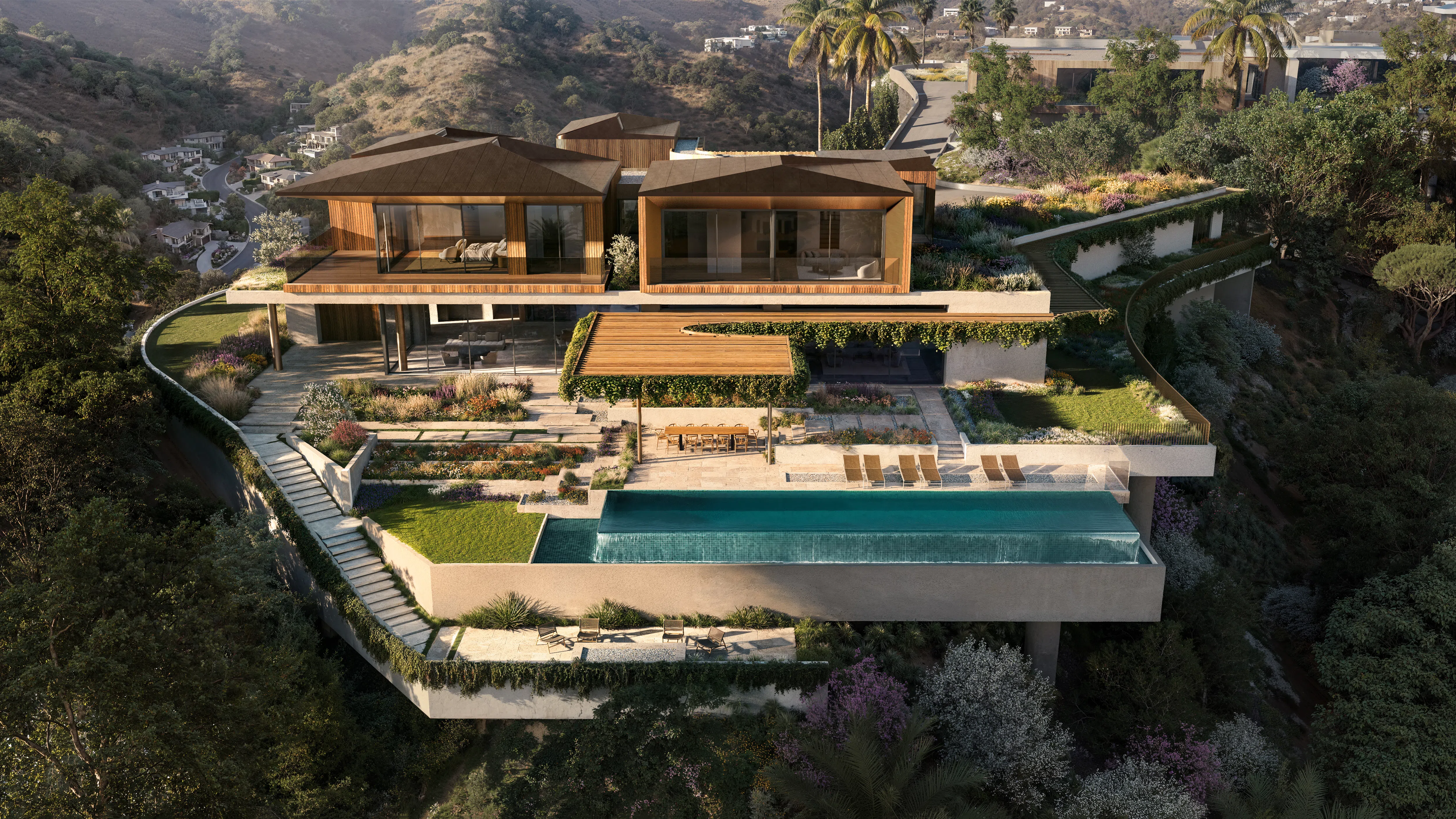
Not all 3D renderings work the same way.
Some images look clean at first glance, but fail when you look closer. The lighting feels flat. Materials look artificial. The scale feels wrong. The building does not sit naturally in its environment. The result may be visually acceptable, but it does not help the project feel real, credible, or ready for presentation.
High-quality 3D rendering services solve a different problem. They do not just create attractive visuals. They help architects, developers, real estate teams, and designers communicate a future space with clarity and confidence.
That matters because most people cannot fully understand a project from drawings, floor plans, or technical documents. They need to see how the space will feel, how materials will work together, how light will affect the design, and how the building will relate to its surroundings.
Quality 3D rendering helps close that gap.
A professional rendering team combines architectural accuracy, realistic materials, natural lighting, proper scale, strong composition, and careful post-production. Each element supports the same goal: make the project easier to understand before it is built.
This is where high quality rendering services become more than image production. They become part of the decision-making, marketing, approval, and sales process.
Why Rendering Quality Matters More Than Most Companies Realize
Rendering quality affects how people judge a project.
That may sound simple, but it has serious business consequences. A weak rendering can make a strong design look average. It can make expensive materials look cheap. It can make a well-planned space feel cold, flat, or unfinished.
For architects, this can create a presentation problem. The design may be thoughtful, but the client may not see it. Details that matter in the architecture can disappear in a poor visualization. Proportions may feel wrong. Lighting may hide the design logic. Materials may not match the intended atmosphere. As a result, the architect has to spend more time explaining what the image failed to show.
For developers, low-quality rendering can affect marketing and pre-sales. In many U.S. real estate projects, visuals are used before construction is complete. They appear in brochures, landing pages, ads, investor decks, sales galleries, and leasing presentations. If those visuals do not create trust, the project becomes harder to sell.
This is especially important when buyers or investors are evaluating something that does not exist yet. They are not only looking at a building. They are judging risk. They want to feel that the project is real, well planned, and professionally managed. Poor architectural rendering services can weaken that confidence.
Real estate teams face a similar issue. A listing, campaign, or development launch depends on fast understanding. People do not study visuals for long. They decide quickly whether a project feels worth their attention. If the rendering looks generic or unrealistic, the campaign may lose interest before the audience reads the details.
Quality also affects internal communication. Developers, architects, designers, brokers, and investors often look at the same rendering for different reasons. One person may care about massing and facade logic. Another may care about buyer appeal. Another may care about leasing potential or brand perception. A strong image can support all of these conversations at once.
This is why professional rendering services need both technical skill and commercial understanding. It is not enough to make an image look polished. The image has to support the purpose of the project.
A good rendering should answer practical questions:
- What will the space feel like?
- How will materials look in real light?
- How does the building relate to the site?
- What makes the project valuable?
- Can this visual support sales, approval, or investment decisions?
When those questions are answered well, the rendering becomes useful. It reduces uncertainty. It helps stakeholders align faster. It gives marketing teams stronger assets. It helps decision-makers understand the project without needing a technical background.
That is the real difference between average rendering and professional architectural rendering services. Average rendering shows an object. High-quality rendering explains a project.
For Fortes Vision, this is the core of the work. The goal is not to create a decorative image. The goal is to create visuals that help clients present architecture, real estate, and interior spaces with accuracy, realism, and business purpose.
What Defines High-Quality 3D Rendering?
High-quality 3D rendering is not defined by one feature. It is the result of many details working together.
A rendering can have a beautiful camera angle and still fail if the materials look fake. It can have realistic materials and still fail if the lighting is wrong. It can have strong lighting and still fail if the scale feels off.
This is why quality 3D rendering is built through a controlled process. Each part of the image has to support the design, the project goal, and the audience.
Accurate Architecture
Accuracy is the foundation of professional visualization.
A rendering should respect the project’s real geometry, proportions, openings, rooflines, facade details, materials, site conditions, and design intent. If these elements are wrong, the image may look attractive but still misrepresent the project.
For architects, accuracy is critical. A client may approve or reject a design based on what they see. If the visualization changes the proportions, exaggerates the space, or ignores important details, it can create confusion later.
For developers, accuracy also matters because the rendering often becomes part of the marketing promise. Buyers, tenants, or investors expect the final project to match the visual direction. The rendering does not need to show every construction detail, but it should be honest about the architecture.
This is one of the first signs of high quality rendering services: the team understands that the image must serve the project, not replace it with a generic visual style.
Realistic Materials
Materials can make or break a rendering.
Wood, stone, glass, concrete, metal, tile, fabric, and paint all react differently to light. If these materials are handled poorly, the image immediately feels artificial. Wood may look plastic. Glass may look flat. Stone may lose texture. Metal may reflect too much or too little.
Realistic materials require more than applying textures. The artist has to control scale, reflectivity, roughness, color, surface depth, and how each material behaves under specific lighting conditions.
This matters because materials communicate value. A luxury lobby, premium residential unit, hospitality space, or commercial interior depends heavily on material perception. If the rendering weakens those materials, the project may appear cheaper than it actually is.
Photorealistic rendering depends on this level of detail. It is not about making everything glossy. It is about making every surface feel believable.
Natural Lighting
Lighting is one of the strongest quality signals in architectural visualization.
Good lighting makes the space feel natural. It shows depth, form, atmosphere, and material behavior. Poor lighting makes the image feel flat, artificial, or emotionally wrong.
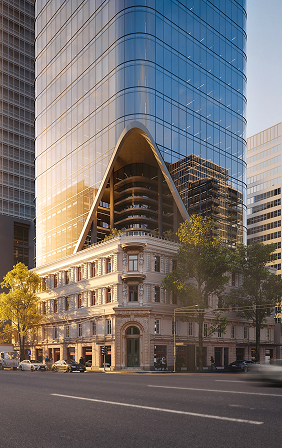
Exterior renderings need realistic daylight, shadows, sky conditions, reflections, and environmental balance. Interior renderings need careful treatment of natural light, artificial light, contrast, and mood. A living room, hotel suite, office lobby, and restaurant should not all feel the same.
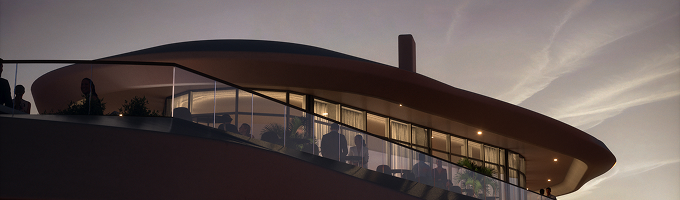
Lighting also affects how the audience feels about the project. Warm evening light can make a residential space feel calm and livable. Clean daylight can make a commercial space feel open and professional. Controlled dramatic lighting can support hospitality or luxury real estate.
But lighting should never hide the design. It should help explain it.
This is where experienced rendering teams make a clear difference. They know how to use light to support architecture, not distract from it.
Proper Scale
Scale is easy to overlook until it feels wrong.
Furniture that is too large. Windows that feel too small. People placed at the wrong size. Trees that overpower the building. Cars that distort street proportions. These mistakes may seem minor, but they damage credibility.
Proper scale helps the viewer understand the space. It shows how a room can be used, how a building relates to the street, and how large or intimate an environment will feel.
This is especially important in real estate rendering services. Buyers and tenants often use renderings to understand livability. If the scale is misleading, the visual may create expectations that the final project cannot meet.
High-quality 3D rendering should help people understand space honestly and clearly.
Context and Environment
A building does not exist in isolation.
It sits on a site, next to streets, landscaping, neighboring structures, parking areas, sidewalks, views, and natural conditions. Interior spaces also have context: furniture, decor, lighting, human use, and brand atmosphere.
Context makes a rendering feel grounded.
An exterior rendering without proper surroundings can feel empty. An interior rendering without realistic styling can feel cold. A commercial space without usage cues can feel unfinished. A residential image without atmosphere may fail to connect with buyers.
The level of context should match the project. A concept presentation may need less detail. A marketing image for a development launch may need much more.
Professional rendering services know how much context to include without overcrowding the image. The goal is to make the visual believable and useful, not visually noisy.
Post-Production
Post-production is the final stage where the image becomes polished.
This can include color correction, contrast adjustment, atmospheric effects, background refinement, shadow balance, glare control, small detail cleanup, and final composition improvements.
Good post-production should feel invisible. The viewer should not notice it as a separate layer. They should simply feel that the image is clear, balanced, and realistic.
Poor post-production can ruin a good render. Overdone contrast, fake skies, excessive sharpness, unnatural glow, or heavy filters can make the image look cheap.
In professional photorealistic rendering, post-production supports realism. It does not cover weak production work. It refines what is already accurate.
That is why high-quality 3D rendering depends on the full workflow: accurate modeling, realistic materials, natural lighting, proper scale, relevant context, and careful final polish.
When all of these elements work together, the result does more than look good. It helps the audience understand the project with confidence.
Photorealistic Rendering vs Average Rendering
The difference between average rendering and photorealistic rendering is not only visual. It affects how people understand the project, how much they trust it, and how confidently they can make decisions.
An average rendering may show the basic idea. It can show the building, room layout, furniture, or exterior form. For early internal discussions, that may be enough.
But when a rendering is used for real estate marketing, investor presentations, sales materials, or architectural approvals, average quality often falls short. The audience needs more than a general idea. They need a believable representation of the future space.
Photorealistic rendering aims to make the project feel real before it exists. It does this through accurate modeling, natural lighting, realistic materials, correct scale, strong composition, and careful post-production. These details help the viewer understand the project faster and with more confidence.
The gap between average and photorealistic work usually appears in small details. Materials may look almost right, but not fully believable. Shadows may exist, but feel flat. Furniture may fill the room, but not match the design. Landscaping may be present, but not feel connected to the site. These details may seem minor, but together they shape the viewer’s trust.
| Average Rendering | Photorealistic Rendering |
|---|---|
| Shows the general project idea | Communicates the project with realism and clarity |
| Materials may look flat or artificial | Materials react naturally to light and context |
| Lighting is basic or inconsistent | Lighting supports depth, mood, and architectural intent |
| Scale may feel slightly wrong | Space, furniture, people, and surroundings feel proportionate |
| Often uses generic assets | Uses project-specific details and styling |
| Works for early internal review | Works for marketing, sales, approvals, and investor presentations |
| May require more explanation from the team | Helps the visual speak for itself |
Realistic architectural rendering is especially important when the project has a commercial purpose. A developer showing a future multifamily property to investors needs the image to create confidence. A broker presenting a commercial space needs the visual to help people understand value. An architect presenting a design needs the rendering to support the design, not distract from it.
Average rendering can still be useful. Not every project stage needs the highest level of polish. Early concept work may benefit from faster, simpler visuals. But once the rendering is used externally, the standard changes.
At that point, the question is no longer, “Does this image look acceptable?”
The better question is, “Can this image support the decision we need people to make?”
That is where photorealistic rendering becomes valuable. It reduces the gap between technical project information and human understanding. It helps people see what the space will feel like, not just what it contains.
For Fortes Vision, this distinction matters. The goal is not to overproduce every image. The goal is to match the level of quality to the role of the visual. Some projects need clean, clear architectural communication. Others need premium marketing-ready imagery. In both cases, the work should feel accurate, intentional, and useful.
Common Signs of Low-Quality Renderings
Low-quality rendering is not always obvious at first glance. Some images look polished for a second, especially when viewed quickly. But the problems become clear when you look at the details.
For architects, developers, and real estate teams, these details matter because a poor rendering can create the wrong impression. It can make the project look cheaper, less finished, or less realistic than it actually is. It can also create confusion during reviews, sales conversations, or investor presentations.
Here are the most common rendering mistakes to watch for.
Unrealistic Lighting
Lighting is one of the fastest ways to identify a low quality rendering.
If the image feels flat, overly dark, too bright, or strangely dramatic, the lighting may not be working. In some renderings, shadows do not match the light source. In others, interior spaces look evenly lit in a way that feels artificial. Exterior images may use skies and sunlight that do not match the building or site.
Good lighting should support the architecture. It should show form, depth, materials, and atmosphere. It should also feel natural for the scene.
For example, a luxury living room should not look like a showroom with harsh flat lighting. A commercial exterior should not look disconnected from the time of day. A hospitality space should have mood, but still show the design clearly.
When lighting is wrong, even a well-modeled project can look weak.
Poor Materials
Poor materials are another clear warning sign.
Wood may look like plastic. Stone may look like a flat image pasted onto a surface. Glass may look dull or overly reflective. Metal may feel fake. Fabric may lack texture. Concrete may look too clean or too repetitive.
These issues happen when materials are applied without enough attention to scale, texture depth, reflection, roughness, and lighting behavior.
In professional rendering services, materials are not treated as decoration. They help communicate project quality. They show whether a space feels premium, warm, durable, modern, natural, or refined.
This is important for real estate and interior projects. If the materials look cheap in the rendering, the whole project may feel cheaper, even if the actual design is strong.
Incorrect Scale
Scale problems are common in weak renderings.
A sofa may feel too large for the room. Ceiling height may feel exaggerated. Trees may look too small next to the building. People may appear slightly wrong in proportion. Cars may not match the street scene.
These mistakes can make the entire image feel uncomfortable, even if the viewer cannot immediately explain why.
Proper scale is essential because rendering is often used to help people understand space. Buyers, tenants, clients, and investors use the image to imagine how the project will work in real life.
If scale is inaccurate, the rendering may create false expectations. That is a serious problem for architectural visualization, especially when visuals are used in sales, leasing, or approval processes.
Generic Furniture
Generic furniture can make an interior rendering feel weak, even when the architecture is good.
Furniture, decor, lighting fixtures, rugs, artwork, and accessories should match the space and the intended audience. A high-end condo, a boutique hotel, a suburban home, and a corporate office all need different styling.
Low-quality renderings often use generic furniture libraries without adapting them to the project. The result may feel lifeless or disconnected from the design.
This matters because furniture and styling help communicate use. They show how people might live, work, meet, relax, or move through the space. When those elements feel random, the rendering loses emotional and commercial strength.
For interior designers and real estate teams, this can be a major issue. A poorly styled image can weaken the perceived value of the entire space.
Weak Composition
Composition controls how the viewer reads the image.
A weak composition may show too much, too little, or the wrong thing. The camera angle may feel awkward. The focal point may be unclear. Important architectural features may be hidden. The image may feel cluttered or empty.
Strong composition helps guide attention. It shows the project from an angle that makes sense. It supports the purpose of the image, whether that is showing the facade, the lobby experience, the view from a unit, the flow of an amenity space, or the atmosphere of an interior.
This is where visual judgment matters. A technically accurate rendering can still fail if the image does not communicate clearly.
Low-quality rendering often feels like a model screenshot. Professional rendering feels like a planned visual presentation.
That difference is important. The viewer should not have to work hard to understand the image. The composition should make the project easier to read.
How Rendering Quality Impacts Marketing and Sales
Rendering quality has a direct effect on how a project is perceived in the market.
This is especially true for real estate rendering services, where visuals often appear before the property exists. Developers, brokers, and marketing teams may use renderings in paid ads, landing pages, brochures, listing materials, sales galleries, investor decks, and leasing presentations.
In those situations, a rendering is not just a visual asset. It is part of the buyer journey.
When the quality is strong, the project feels more credible. People can understand the space faster. They can imagine the experience more clearly. They are more likely to trust the presentation.
When the quality is weak, the opposite happens. The project may feel unfinished, generic, or less valuable. Even if the architecture is good, the audience may not feel confident enough to take the next step.
Pre-sales is one of the clearest examples. Many developments begin marketing before construction is complete. Buyers or investors are asked to make decisions based on plans, location, pricing, and visual materials. If the rendering does not feel believable, it becomes harder to build confidence.
A strong architectural visualization can help show why the project is worth attention. It can communicate the lifestyle, design quality, amenities, views, materials, and location context. It gives the sales team something concrete to discuss.
Investor presentations work in a similar way. Investors look at numbers, risk, market conditions, and development strategy. But visuals still matter. A clear, realistic rendering helps make the project more tangible. It gives the audience a better sense of what is being built and how it may be positioned in the market.
For leasing campaigns, quality visuals can help tenants understand a space before buildout is complete. This is common in commercial real estate, multifamily, hospitality, and mixed-use projects. A good rendering can help explain a lobby, amenity area, office layout, retail frontage, or residential unit before anyone can walk through it.
Marketing performance also depends on visual quality. Ads, website banners, social posts, brochures, and email campaigns compete for attention. If the render looks generic, people may ignore it. If it feels clear, realistic, and relevant, it has a better chance of earning attention.
This does not mean every image needs to look expensive. It means every image needs to match its purpose.
A rendering for early design review can be simpler. A rendering for public-facing real estate marketing needs a higher standard. A rendering for an investor presentation must support trust. A rendering for a leasing campaign must help the audience understand use, atmosphere, and value.
This is where many competitors in the market under-explain quality. They talk about realism as if it is only an aesthetic goal. But for developers, architects, and real estate teams, quality is also practical. It affects how people respond to the project.
Fortes Vision builds architectural visualization around that idea. The image should be visually strong, but also useful. It should help the client explain the project, reduce uncertainty, and support decisions.
When rendering quality is treated this way, it becomes part of the commercial strategy. It helps bridge the gap between an unbuilt project and the audience that needs to believe in it.
Why Professional Rendering Services Cost More
Professional rendering services usually cost more because they include more than the final image. The price reflects the work behind the visual: project analysis, modeling, materials, lighting, revisions, quality control, and the experience of the artists involved.
This is important to understand before comparing quotes from different providers. Two renderings may look similar in a proposal, but the production process can be completely different.
A low-cost provider may take a basic model, apply generic materials, set simple lighting, render one image, and deliver it with limited refinement. That can work for early internal use. But it may not be enough for architecture firms, developers, or real estate teams that need visuals for marketing, approvals, investor presentations, or pre-sales.
A professional rendering company works differently. It treats the image as a communication tool. The team has to understand what the visual needs to achieve before production starts.
The first cost factor is modeling. If the client provides a clean 3D model, production may move faster. But many projects begin with drawings, plans, elevations, sketches, or incomplete files. In that case, the rendering team must build or clean the model before any realistic image can be created. This work requires architectural understanding, not just software skill.
Materials are another major part of the cost. High-quality rendering depends on realistic surfaces. Wood, stone, glass, concrete, tile, metal, fabric, and paint all need careful setup. The artist has to control texture scale, reflection, roughness, color, and how each material reacts to light. This takes time, but it is one of the main reasons a rendering feels believable.
Lighting is also a serious production task. Good lighting is not random. It defines depth, atmosphere, focus, and mood. A residential exterior, a hotel lobby, a sales gallery, and a commercial office all need different lighting logic. Poor lighting can make expensive architecture look flat. Strong lighting can help the viewer understand the design faster.
Revisions also affect pricing. Professional rendering services usually include structured review stages. The client may review camera angles, materials, lighting, composition, and final details. This process protects quality, but it also requires time from the production team.
Quality control is another difference. A serious 3D rendering company checks the image before delivery. The team reviews scale, materials, reflections, shadows, furniture, landscaping, post-production, and consistency with the brief. This reduces the chance of sending visuals that look polished but contain basic mistakes.
Senior artists also cost more because they bring judgment. They know when a camera angle weakens the design. They can see when a material looks wrong. They understand how to balance realism with composition. They also know how to make the image useful for its intended purpose, whether that is sales, leasing, approvals, or client presentation.
This is why professional rendering is not just a technical service. It is a mix of architecture, design, visual communication, and production management.
The cheapest rendering may look like a saving at first. But if the image requires multiple rounds of correction, misses the project intent, or cannot be used in marketing materials, the real cost becomes higher.
A higher-quality rendering can save time because it reduces confusion. It can support sales because it presents the project clearly. It can help internal teams align faster because the visual is accurate and easy to understand.
That is why many experienced U.S. developers, architects, and real estate teams do not choose rendering services based only on price. They look at the risk behind the price.
Questions to Ask Before Hiring a Rendering Company
Before hiring a rendering company, it is worth asking direct questions. A good provider should be able to answer clearly. If the answers are vague, that usually means the project may become harder later.
The first question is about relevant experience.
Ask whether the company has worked on projects similar to yours. A single-family home, a multifamily development, a commercial building, a hospitality interior, and a luxury residential project all require different visual judgment. A rendering studio that understands your project type will usually ask better questions and make fewer assumptions.
You should also ask what files and materials are needed to begin. A professional team should be able to tell you whether they need CAD files, Revit models, SketchUp files, floor plans, elevations, material schedules, mood references, branding direction, landscaping plans, or furniture specifications.
This matters because incomplete inputs often create delays and extra revisions.
Another key question is how the workflow is managed. Ask how the project starts, when you will see the first draft, how feedback is collected, and how final approval works. A clear workflow helps prevent scattered comments, repeated changes, and missed deadlines.
You should also ask how revisions are handled. How many rounds are included? What counts as a normal revision? What counts as a scope change? What happens if the design changes after production starts?
These questions are not just about cost. They are about control. When the revision process is unclear, even a simple project can become frustrating.
Ask who will manage communication. For larger projects, this is especially important. If several stakeholders are involved, the rendering company should have a process for organizing comments and keeping production on track.
It is also useful to ask how the company handles quality control. Who checks the image before delivery? Are materials, scale, lighting, and architectural details reviewed internally? Does the team compare the result with the brief?
A strong rendering company should not depend on the client to catch every issue.
Finally, ask how the visuals will be delivered. Confirm file formats, resolution, aspect ratios, usage rights, and whether the images are prepared for web, print, ads, presentations, or large-format materials.
A simple checklist can help:
| Question | Why it matters |
|---|---|
| Have you worked on similar projects? | Confirms relevant experience |
| What inputs do you need from us? | Prevents delays and missing information |
| How do you manage revisions? | Reduces budget and timeline risk |
| Who handles communication? | Keeps feedback organized |
| How do you control quality? | Protects the final result |
| What files will we receive? | Ensures the visuals match their intended use |
These questions help separate a professional rendering partner from a basic production vendor.
The right company will not treat them as difficult questions. It will see them as part of a serious project discussion.
For architects, developers, and real estate teams, this matters. The rendering is often tied to a deadline, campaign, approval, or business decision. You need a partner that can manage the work with the same level of seriousness.
How Fortes Vision Delivers High-Quality 3D Rendering Services
Fortes Vision delivers high-quality 3D rendering services through a structured process. The goal is not just to create a polished image. The goal is to create a visual that helps the client explain, present, market, or approve a project with confidence.
The process starts with briefing.
Before production begins, the team reviews the project materials and clarifies the purpose of the visuals. This may include architectural drawings, 3D models, floor plans, elevations, material references, mood boards, site context, branding requirements, and marketing goals.
This first step is important because the same project can require different visual approaches. A rendering for an investor presentation may need a clear, confident overview. A residential sales image may need more atmosphere. A hospitality interior may need stronger mood and detail. A planning presentation may need accuracy and context.
After the brief is clear, the team moves into modeling and scene setup.
This stage defines the structure of the image. Architecture, interiors, site elements, furniture, landscaping, and surrounding context are built or refined. Accuracy matters here. If the model is wrong, the final image cannot be trusted, no matter how polished it looks.
Then comes material development.
Fortes Vision focuses on making materials feel real and aligned with the project. Glass, wood, stone, metal, concrete, tile, fabric, and facade systems need careful treatment. This is where a rendering starts to move from a basic visualization into a believable representation of the future space.
Lighting is handled as a separate creative and technical task.
The team considers the purpose of the image, the time of day, the mood, the interior or exterior conditions, and how the lighting supports the design. Good lighting should make the project easier to understand. It should not hide weak spots or create artificial drama that does not fit the project.
Quality assurance is built into the workflow.
Before delivery, the image is reviewed for scale, material realism, lighting balance, composition, architectural accuracy, and overall consistency with the brief. This is one of the main differences between high quality rendering services and basic image production.
Revisions are also managed with structure.
Feedback is expected in professional rendering work. Materials may need adjustment. Camera angles may change. Details may need refinement. The important part is keeping revisions organized, so the project does not lose direction.
For developers, architects, and real estate teams, this process reduces risk. It helps avoid unclear visuals, unnecessary rework, missed expectations, and images that look good but fail to support the project’s actual goal.
Fortes Vision is a 3D rendering company for clients who need more than a decorative image. The work is built around clarity, realism, and business use. Whether the deliverable is an exterior rendering, interior visualization, architectural animation, virtual tour, or full marketing package, the same standard applies.
The visual should be accurate enough for professionals, clear enough for non-technical audiences, and strong enough to support real project decisions.
Choosing Quality Over Cheap Rendering
When comparing rendering providers, it is tempting to focus on price first.
That reaction is understandable. Architectural visualization is a project cost, and every project has a budget. But the cheapest rendering is not always the least expensive option in the long run.
A low-cost rendering can become expensive when it fails to do its job.
If buyers struggle to understand the project, the sales team has to spend more time explaining it. If investors cannot clearly visualize the opportunity, presentations become less effective. If the rendering does not accurately represent the design, architects and designers may spend additional time correcting misunderstandings. If the visuals look generic, marketing campaigns may fail to generate the level of interest the project deserves.
In each of these situations, the problem is not the rendering itself. The problem is that the visual failed to communicate value.
High-quality 3D rendering services are designed to reduce that risk.
A professional rendering should help people understand the project faster. It should make architecture easier to evaluate. It should create confidence in the design, the development, and the vision behind it. Most importantly, it should support the purpose of the project, whether that purpose is securing approvals, attracting investors, generating pre-sales, increasing leasing activity, or strengthening marketing performance.
This is why experienced developers, architects, and real estate professionals often evaluate rendering quality differently than first-time buyers of visualization services.
They do not ask only:
“How much does the rendering cost?”
They also ask:
“What happens if the rendering is not good enough?”
That question changes the conversation.
A rendering that saves a few hundred dollars but weakens a multi-million-dollar development presentation is rarely a good investment. A rendering that helps secure investor confidence, improve marketing performance, support faster leasing, or communicate architecture more effectively can create value far beyond its production cost.
The goal is not to choose the most expensive provider.
The goal is to choose a rendering partner capable of delivering the level of quality your project actually requires.
For some projects, a simple visualization may be enough.
For others, photorealistic architectural rendering becomes part of the project’s commercial strategy.
The difference depends on how important the visual is to the outcome.
At Fortes Vision, rendering quality is approached from that perspective. The objective is not simply to produce attractive images. The objective is to create visual assets that help clients communicate ideas, reduce uncertainty, support decision-making, and present projects at the level they deserve.
When quality becomes part of the strategy rather than an afterthought, the rendering stops being a design expense and becomes a business asset.
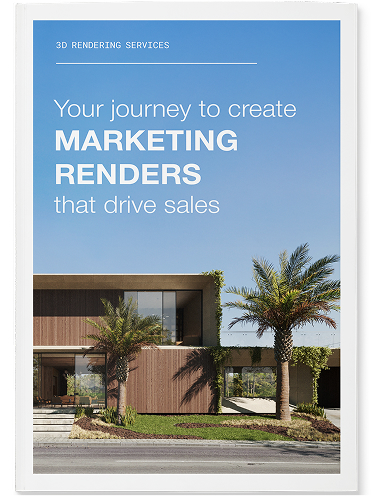
Your Journey | to Marketing Renders | That Bring Out | The Best in Your | Project
Read Our Whitepaper