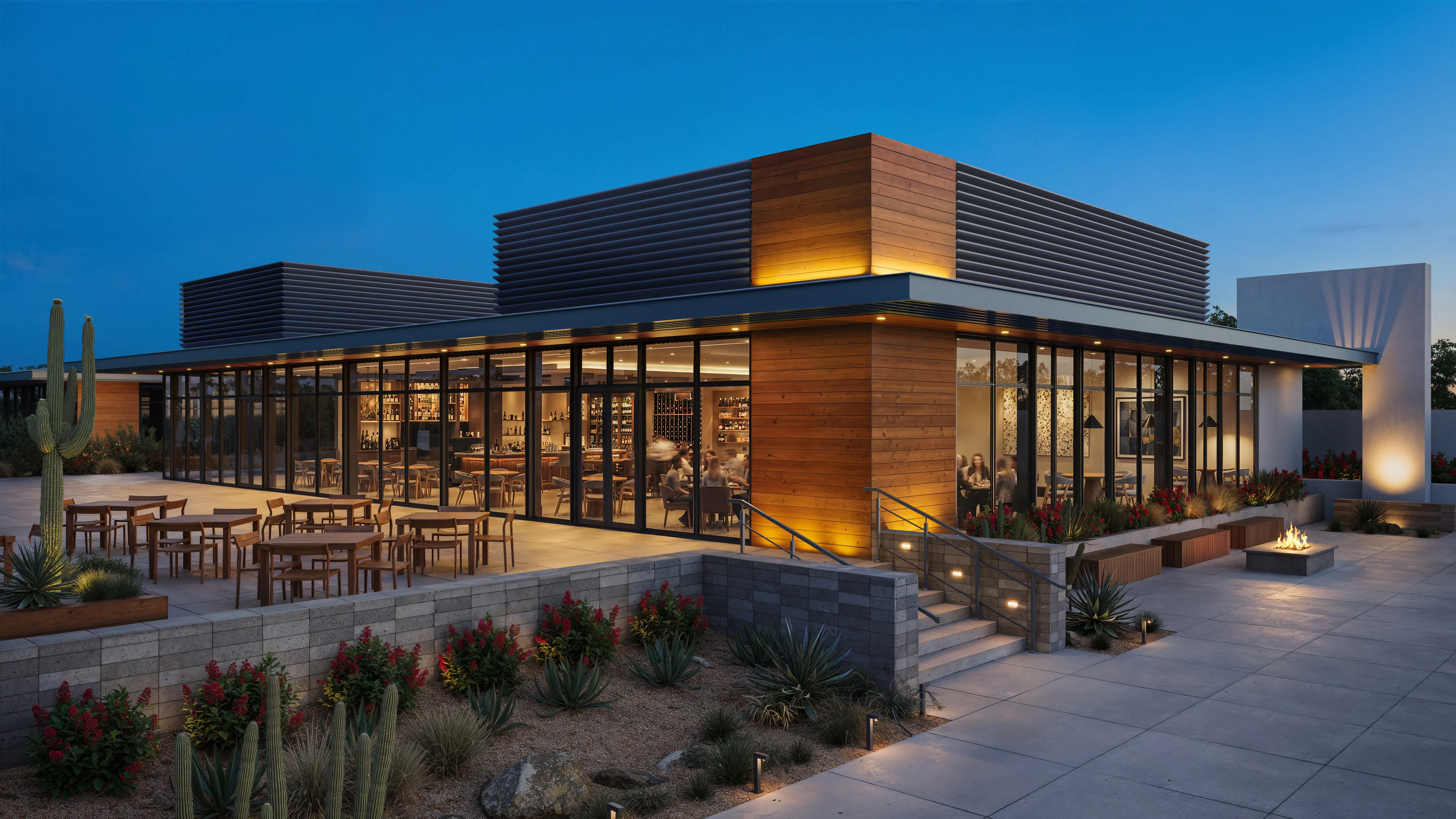
Why Businesses No Longer Buy “Just Renderings”
Businesses do not look for 3D rendering services only because they need attractive images. That was the old view of architectural visualization. In 2026, serious developers, architects, real estate teams, and investors expect renderings to solve real business problems.
A rendering is often the first moment when a project becomes understandable to people outside the technical team. Plans, elevations, mood boards, and material references are useful. But they do not always help investors, buyers, city stakeholders, or internal decision-makers understand what the finished space will actually feel like. That gap creates risk.
A project can be technically strong and still fail in presentation. Investors may not see the value clearly. Buyers may not understand the scale. Approval teams may question design choices that were already solved on paper. Marketing teams may receive visuals that look inconsistent across campaigns. And when those problems appear late, they usually create expensive revisions, delays, and weaker sales materials.
That is why professional 3D rendering services now sit closer to business strategy than simple image production. The best work helps teams explain a project before it is built. It supports approvals, fundraising, pre-sales, leasing, marketing, and stakeholder communication. It turns architectural intent into something clear enough for business decisions.
For a U.S. real estate developer or architecture firm, the right 3D rendering company is not just a vendor that can produce photorealistic visuals. It is a partner that understands project goals, presentation context, timelines, revision pressure, and the business reason behind every image. A strong architectural rendering company helps reduce confusion before it becomes costly.
This is where photorealistic rendering services matter most. Realism is not only about beauty. It is about trust. If materials, lighting, scale, context, and atmosphere feel believable, people make decisions with more confidence. And that is what businesses now expect from high-quality visualization.
Businesses Expect Rendering Services to Solve Communication Problems, Not Just Create Images
The biggest value of architectural rendering services is not the image itself. It is the clarity the image creates.
Most real estate and architecture projects involve many people who do not think the same way. Architects focus on spatial logic, proportions, materials, and technical detail. Developers focus on feasibility, sales potential, approvals, and return on investment. Investors want to understand risk and value. Buyers want to imagine themselves in the space. Marketing teams need visuals that can support campaigns across different channels.
Technical documentation cannot always serve all these audiences at once. That is where renderings become a shared language.
Why Technical Drawings Still Create Misunderstanding
Drawings are essential, but they are not always enough for business communication. A floor plan can show layout. An elevation can show shape. A section can explain structure. But these documents require interpretation. Many stakeholders cannot translate them into a clear mental image.
This creates several common problems.
A developer may approve a design direction, then later realize that the space feels different than expected. An investor may miss the commercial strength of a project because the presentation feels too abstract. A buyer may struggle to understand ceiling height, natural light, finishes, or atmosphere. A planning board may question how the project fits into its surroundings because the visual context is weak.
These are not small issues. They can slow approvals, create unnecessary revisions, and weaken confidence around the project.
Real estate rendering services help close that gap. They show how the building, interior, landscape, light, materials, and surrounding context work together. Good photorealistic rendering services do not replace technical drawings. They translate them into a format that more people can understand.
That translation matters because most business decisions are not made by one technical expert. They are made by groups. And groups need alignment.
What Businesses Actually Want From Renderings
Businesses want renderings that help people decide faster and with fewer doubts.
They want clarity. A rendering should make the project easier to understand, not just more visually polished. It should show the relationship between space, materials, light, scale, and use.
They want confidence. If a developer is presenting a mixed-use project to investors, the visuals need to support the commercial story. If an architect is presenting a design to a client, the renderings need to make design intent feel precise. If a real estate team is preparing pre-sales materials, the images need to help buyers trust what they are seeing.
They also want consistency. A project should not look premium in one rendering and generic in another. Materials, lighting style, camera logic, landscape treatment, and visual tone should feel connected. This is especially important for large developments, hospitality projects, residential communities, and commercial real estate campaigns.
This is one reason businesses often move from one-off freelancers to a professional rendering company. A single image may be enough for a small concept. But larger projects need process, structure, communication, and repeatable quality. They need a 3D rendering company that can handle feedback, manage deadlines, understand the audience, and keep the visual system consistent across multiple assets.
Outsource rendering services can work very well when the partner understands this responsibility. But if outsourcing only means sending files to the cheapest vendor, the result is often more work for the client. Poor communication, weak briefing, unclear revisions, and inconsistent quality can turn visualization into another project risk.
Professional visualization should do the opposite. It should reduce friction. It should help development teams, architects, investors, and marketing teams look at the same project and understand the same thing.
Why Workflow and Process Matter More Than “Pretty Visuals”
Many rendering studios can show a good portfolio. That is no longer enough.
A polished image proves that a studio can produce something attractive under the right conditions. It does not prove that the studio can manage a complex project, handle multiple rounds of feedback, meet a launch deadline, or keep visual quality consistent across a full campaign.
For business clients, workflow often matters as much as final image quality. Sometimes it matters more.
A real estate developer does not only need a beautiful exterior rendering. The team may need several camera angles, interior views, amenity visuals, neighborhood context, dusk versions, marketing crops, and updated files after design changes. An architect may need renderings that support design approval while staying accurate to technical intent. A marketing team may need visuals prepared for brochures, landing pages, paid ads, investor decks, and sales presentations.
If the process is weak, the project becomes difficult even if the images look good in the end.
Poor workflow creates predictable problems. Feedback gets lost. Revisions are made to one image but not another. Materials change in the model, but old versions still appear in presentation files. Lighting differs across scenes. Deadlines move because the studio did not clarify the review schedule. The client spends too much time explaining the same issue again.
This is why professional 3D rendering services need a clear production system.
A serious rendering pipeline usually starts with a structured brief. The team needs to understand the project type, audience, business goal, design references, required views, technical files, deadlines, and approval process. Then the work should move through clear stages: model review, camera selection, material and lighting direction, draft rendering, feedback, refinement, and final delivery.
This structure protects both sides. The client knows what to expect. The rendering team knows what to produce. Revisions become more focused. Deadlines become easier to manage. And the final visuals are more likely to support the actual business goal.
For larger projects, consistency becomes even more important. A development may need renderings across exterior, interior, amenity, landscape, and lifestyle scenes. If every image feels like it came from a different visual language, the project loses trust. Good workflow helps keep the same material logic, lighting standards, camera quality, and atmosphere across the full set.
That is where an experienced architectural rendering company can create real value. The work is not only about software skill. It is about managing visual decisions in a way that supports the client’s timeline, sales process, and presentation needs.
For U.S. businesses, this matters because real estate and architecture projects often move under pressure. Investors expect clear materials. Buyers compare projects quickly. Internal teams need reliable assets. Delays in visualization can delay marketing, approvals, and sales conversations.
A professional 3D rendering company should make that process easier, not harder. It should bring order to the visual side of the project. It should help the client move from technical files to credible presentation assets without confusion at every step.
Pretty visuals may attract attention. But process is what makes rendering useful for business.
Businesses Expect Rendering Services to Support Sales, Marketing, and Investor Presentations
Professional 3D rendering services are often judged by visual quality. But for business clients, quality only matters when it helps the project move forward.
A developer does not need a rendering just because it looks good in a portfolio. The rendering has to help explain value. It has to support a sales conversation, investor meeting, leasing campaign, pre-construction launch, or approval process. In many U.S. real estate projects, visualization is one of the main tools that connects a technical concept with a commercial decision.
This is why businesses expect more from architectural rendering services now. They want images that show how a project works, who it is for, why it matters, and why someone should believe in it before the building exists.
Why Investor Presentations Depend on Visualization Quality
Investors do not evaluate a project only by looking at visuals. They look at location, numbers, market demand, risk, team experience, and execution logic. But visual presentation still affects how quickly they understand the opportunity.
Weak visuals make a project feel less certain. Even if the numbers are strong, a vague or generic presentation can make the concept feel unfinished. Investors may struggle to understand the quality of the asset, the audience, the positioning, or the future market appeal.
Investor-ready renderings reduce that uncertainty. They help turn a development plan into something that feels more concrete. A strong exterior view can explain architectural character. Interior renderings can show the expected user experience. Amenity visuals can support the lifestyle or hospitality value. Context images can show how the project fits into its environment.
This matters because investors usually review many opportunities. They do not have time to interpret unclear design intent. Real estate visualization services help present the project faster, cleaner, and with fewer gaps.
For this reason, high-quality architectural rendering services should not treat investor materials like standard marketing images. The visual logic is different. Investor visuals need to support confidence. They should help answer questions like:
- What is being built?
- Who is this project for?
- Why does the product feel valuable?
- How does the design support the business case?
- Does the team understand the market and buyer expectations?
A professional rendering partner should understand this context. The goal is not to over-decorate the project. The goal is to show its value clearly enough for serious business conversations.
Why Pre-Sales Teams Depend on Strong Renderings
Pre-sales teams often sell something that does not exist yet. That makes trust harder.
A buyer cannot walk through the finished lobby. A tenant cannot see the completed amenity space. A hospitality group cannot test the atmosphere of a future restaurant, hotel, or mixed-use development. In these cases, renderings become part of the sales infrastructure.
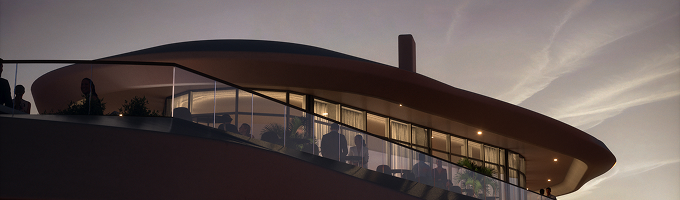
Photorealistic rendering services help buyers imagine the finished environment. But realism alone is not enough. The image has to show the right emotional and commercial signals. A luxury residential project needs a different visual tone than a family-oriented community. A boutique hospitality project needs a different atmosphere than a commercial office development. A high-end restaurant rendering should not feel like a generic interior scene.
This is where the choice of 3D rendering company matters. A weak vendor may create technically acceptable images that still fail as sales assets. The space may look flat. The lighting may feel artificial. Materials may look cheaper than intended. Camera angles may not support the strongest selling points. The final result may be usable, but not persuasive.
A strong real estate rendering company thinks about how the image will be used. Is it for a landing page? A leasing brochure? Paid ads? A sales deck? A presentation to partners? A billboard? Each format has different needs. The same project may require a wide hero image, close-up material details, lifestyle-driven amenity shots, and clean architectural views.
Good visualization gives pre-sales teams better tools. It helps them show value earlier, create emotional connection, and reduce uncertainty before construction is complete.
Rendering for Marketing vs Rendering for Approvals
Not all renderings should be created with the same goal.
Marketing renderings need to create interest. They should feel polished, clear, and emotionally aligned with the target buyer or tenant. They help people imagine the completed experience.
Approval renderings need to explain the project accurately. They should show scale, massing, materials, relationship to surroundings, and design intent without unnecessary visual noise. Their job is to reduce questions, not only impress.
Investor renderings sit somewhere between both. They need the clarity of approval visuals and the persuasive strength of marketing visuals. They must show the project as a credible business asset.
Professional 3D rendering services should understand these differences. This is one of the clearest signs of a mature architectural visualization company. The team should not use the same visual approach for every project and every audience.
For businesses, this matters because each rendering has a job. When that job is clear, the image performs better. It helps the right people understand the right thing at the right stage of the project.
Speed Matters – But Businesses No Longer Want Fast Low-Quality Renderings
Speed is still important in 3D rendering services. Real estate launches, investor meetings, design reviews, and marketing campaigns often run on strict timelines. A rendering partner that cannot move on schedule can slow the entire project.
But speed without quality is not useful.
Many businesses have learned this the hard way. They hire cheap rendering services because the price looks attractive and the promised delivery is fast. Then the real cost appears later. The first drafts are not accurate. Materials look wrong. Lighting feels artificial. The camera angles do not support the project. Revisions are chaotic. And the team has to spend more time fixing the work than they saved by choosing a cheaper vendor.
Fast work only helps when the process is controlled.
Why Cheap Rendering Vendors Often Create Bigger Problems Later
Cheap rendering vendors often compete on price and turnaround time. That can work for simple tasks. But for professional real estate, architecture, hospitality, or development projects, the risks are higher.
The common problems are easy to recognize.
Materials may not match the design intent. Stone, wood, glass, metal, fabrics, and finishes can look flat or unrealistic. This makes the project feel less valuable than it actually is.
Lighting may not support the space. Bad lighting can make an interior feel smaller, colder, darker, or cheaper. Poor exterior lighting can make the building look disconnected from its context.
Scenes may look generic. Stock furniture, repeated plants, weak background context, and unrealistic people can make the image feel copied instead of designed around the project.
Proportions may feel wrong. Even small visual inaccuracies can reduce trust. If a room feels too narrow, a lobby feels too empty, or a facade feels too flat, stakeholders may question the design.
Revision chaos is another major issue. Cheap rendering outsourcing often lacks a clear workflow. Feedback gets missed. Updated files are not tracked correctly. One image changes while another stays outdated. Timelines slip because the process was never structured.
This creates wasted budget, project delays, and presentation materials that are not strong enough for serious use.
Photorealistic rendering services should reduce these problems, not create them. The point of rendering is to make a project easier to explain and easier to sell. If the client has to constantly correct the basics, the service is not actually efficient.
What Businesses Usually Expect Instead
Businesses do not expect perfection with no feedback. Rendering is a collaborative process. But they do expect structure.
They expect a clear brief. They expect realistic timelines. They expect professional communication. They expect the rendering team to understand design files, references, materials, views, and project goals before production begins.
They also expect quality control. A professional rendering partner should check visual consistency, technical accuracy, lighting, material realism, composition, and final file usability. The client should not be the only person catching obvious problems.
For larger projects, businesses also expect scalability. A single rendering may not be enough. A developer may need a full package of exterior views, interiors, amenity spaces, aerial images, close-ups, and campaign-ready crops. An architectural visualization company should be able to support that scope without losing consistency.
This is where professional 3D rendering services create a real difference. They combine speed with process. They do not simply promise a fast turnaround. They build a workflow that makes fast delivery possible without sacrificing the final result.
For many businesses, the best rendering partner is not the cheapest option. It is the one that protects the project from avoidable visual, communication, and timeline problems.
What Makes a Professional 3D Rendering Company Different in 2026
A professional 3D rendering company is not defined only by software skills. Most clients do not care what tools were used if the final result does not help them present, sell, approve, or explain the project.
The difference is in judgment.
A strong rendering partner understands what the image needs to achieve. It knows when a project needs clean technical clarity, when it needs emotional atmosphere, and when it needs a stronger commercial story. It also understands that a rendering is rarely used in isolation. It usually becomes part of a broader business process.
That is why professional rendering services now require more than visual production.
Businesses Expect Strategic Thinking, Not Just Rendering Execution
A rendering team can follow a brief and still miss the point.
For example, a developer may ask for an exterior rendering of a residential building. A basic vendor will focus on the facade, add cars, trees, and people, then deliver an attractive image. A stronger architectural rendering company will ask what the image needs to support.
Is the goal to attract buyers? Impress investors? Support zoning discussions? Show urban context? Explain premium positioning? Launch a pre-sales campaign? Each answer changes the visual approach.
Strategic thinking affects camera angle, time of day, lighting, materials, surrounding context, landscaping, human presence, and level of detail. It also affects what should not be shown. Sometimes a cleaner image is more effective than a crowded one. Sometimes a close interior moment sells the project better than another wide exterior view.
This is where Fortes Vision can be positioned strongly. The value is not only in creating visuals. The value is in helping clients turn architectural concepts into presentation-ready assets that support business decisions.
A professional 3D rendering company should understand audience intent. Investors need confidence. Buyers need emotional connection. Architects need design accuracy. Developers need marketable assets. Approval teams need clarity. Marketing teams need visuals that work across formats.
When a rendering partner understands these differences, the final images become more useful.
Why Industry Understanding Matters
Different project types require different visual logic.
Hospitality projects depend heavily on atmosphere. A hotel lobby, restaurant, resort, or lounge must feel inviting and commercially believable. The rendering should communicate experience, not just layout.
Residential developments need trust and lifestyle clarity. Buyers want to understand light, materials, room proportions, amenity value, and the feeling of daily life in the space.
Commercial real estate needs efficiency, brand fit, and functional clarity. Office, retail, and mixed-use visuals should show how the space works for tenants, visitors, and operators.
Urban planning and large-scale developments need context. The audience may care about streetscape, traffic flow, surrounding buildings, public space, pedestrian experience, and neighborhood fit.
A generic rendering approach does not work across all of these cases. Architectural visualization services need to adapt to the project type and the business goal.
This is also important for real estate rendering services in the U.S. market. Competition is high. Buyers compare projects quickly. Developers need sharper presentations. Investors expect a clear story. A rendering that looks “fine” may not be enough if it does not communicate why the project deserves attention.
Industry understanding helps avoid shallow visuals. It helps the team make better choices about composition, details, context, and mood.
The Best Rendering Companies Function Like Long-Term Partners
The best rendering companies do not act like one-time image suppliers. They act more like long-term visual partners.
That matters because many projects change. Design details evolve. Materials shift. Marketing needs expand. Investor presentations require new angles. A project may start with a few concept renderings, then grow into a full visual package for sales, approvals, leasing, and promotion.
A reliable architectural rendering company can support that process across multiple phases. It keeps communication consistent. It remembers project logic. It understands the visual direction already approved. It can scale production when the client needs more assets.
This is especially valuable for developers, architects, and real estate teams that manage more than one project. They do not want to rebuild the same workflow with a new vendor each time. They need a partner that understands their standards and can deliver consistent results.
Outsource rendering services are strongest when they create that kind of relationship. The client gets flexible production capacity without losing control over quality. The rendering team becomes part of the project’s presentation process, not an isolated contractor.
In 2026, that is what separates a serious provider of professional 3D rendering services from a low-cost production vendor. The best companies bring visual skill, process, communication, industry judgment, and long-term reliability into one service.
That is the level of support businesses increasingly expect when they choose a 3D rendering company.
How Businesses Evaluate Professional 3D Rendering Services Today
Choosing a 3D rendering company has become more difficult for businesses over the last few years. Many studios now show polished portfolios, photorealistic visuals, and similar service descriptions. On the surface, several providers may look equally capable.
But for developers, architects, hospitality groups, real estate teams, and investors, the real difference usually appears during execution.
A rendering partner may produce attractive sample images and still struggle with communication, consistency, revisions, scalability, or project coordination. This is why businesses increasingly evaluate professional rendering services based on workflow reliability and business understanding, not only visual style.
A strong architectural rendering company should help reduce project friction. The process should feel organized, predictable, and commercially aware from the beginning.
Questions Businesses Should Ask Before Hiring a Rendering Company
One of the biggest mistakes businesses make is evaluating rendering vendors only by aesthetics. Visual quality matters, but operational quality matters just as much.
Before choosing a provider of professional 3D rendering services, businesses should understand how the team actually works.
The revision process is one of the first things to clarify. A rendering project rarely finishes after the first draft. Materials change. Design details evolve. Marketing priorities shift. A professional rendering company should have a structured review process that keeps revisions controlled and transparent. Without that structure, projects often become slower and more chaotic over time.
Timeline management is equally important. Businesses should understand how production stages are organized, what review windows look like, and how deadlines are handled when multiple renderings are involved. Large architectural visualization projects usually involve dependencies between teams. If rendering delivery becomes unpredictable, marketing launches, investor meetings, and approval submissions may also be delayed.
Communication quality matters more than many clients expect. Some outsource rendering services rely heavily on fragmented communication, unclear responsibility, or slow response cycles. That creates confusion quickly, especially during active development phases. A reliable architectural rendering company should maintain clear communication channels and organized project coordination throughout production.
Scalability is another critical factor. A vendor may produce one strong image but struggle when the project expands into a larger visual package. Businesses should evaluate whether the rendering team can maintain consistency across multiple interiors, exteriors, amenity spaces, aerial views, and campaign assets without quality shifts between images.
Technical understanding also separates stronger providers from weaker ones. A professional rendering company should understand architectural files, design intent, materials, proportions, lighting behavior, and construction logic well enough to avoid avoidable mistakes during production.
The best rendering partnerships usually feel collaborative rather than transactional. The rendering team understands the business context behind the visuals instead of simply waiting for instructions.
Why Portfolio Alone Is Not Enough
A portfolio can show visual talent. It cannot always show operational reliability.
This is where many businesses run into problems with outsource rendering services. The sample images may look excellent, but the actual delivery experience becomes inconsistent once production begins.
Some studios outsource work internally to multiple freelancers or third-party teams. That can create quality differences between images, inconsistent lighting approaches, mismatched materials, and unstable timelines. The first rendering may look strong while later assets feel rushed or disconnected from the original visual direction.
Portfolio selection itself can also be misleading. Many rendering companies showcase only a few carefully polished hero images. But real projects often require dozens of deliverables across different formats, deadlines, and presentation goals. Businesses need to know whether the rendering company can maintain the same level of quality at scale.
Workflow problems are another issue portfolios cannot reveal. Communication delays, weak revision tracking, unclear approvals, inconsistent file management, and poor production structure usually become visible only after the project starts.
This is why businesses increasingly look beyond visuals when evaluating architectural visualization services. They want to understand how the company operates under real project pressure.
A reliable 3D rendering company should demonstrate more than artistic skill. It should demonstrate consistency, process maturity, responsiveness, technical understanding, and the ability to support long-term project needs.
That is especially important for U.S. developers, architecture firms, hospitality brands, and real estate marketing teams where deadlines, investor expectations, and presentation quality directly affect commercial outcomes.
The strongest rendering partnerships are usually built on predictability. Businesses want to know that the rendering team can support the project from early concepts through final marketing delivery without creating additional operational stress.
Professional Rendering Services Are Now Part of Business Infrastructure
The role of 3D rendering services has changed significantly. Businesses no longer treat visualization as a final design extra added near the end of the project. For many developers, architects, hospitality brands, and real estate teams, rendering now supports decision-making from the earliest stages of planning through marketing and sales.
That shift happened because projects became more competitive, presentations became more demanding, and stakeholders started expecting greater clarity before construction begins.
Today, professional 3D rendering services help businesses communicate ideas faster, reduce misunderstandings, support approvals, improve investor presentations, strengthen pre-sales campaigns, and create more consistent project messaging across teams.
The strongest architectural rendering company is not simply the one producing the most visually impressive image. It is the one helping clients solve communication, presentation, workflow, and commercial challenges throughout the project lifecycle.
That is why process, collaboration, and business understanding matter as much as visual quality now.
A professional 3D rendering company should understand how different audiences evaluate a project. Investors look for confidence and credibility. Buyers look for atmosphere and trust. Architects need design accuracy. Developers need scalable marketing assets. Approval teams need clarity and context.
The rendering work should support all of those goals together.
This is also why businesses increasingly move toward long-term rendering partnerships instead of one-time production vendors. Reliable architectural visualization services become part of the broader project infrastructure. They support communication between departments, improve presentation consistency, and help projects move forward with fewer delays and fewer misunderstandings.
For U.S. real estate and architecture markets, that level of support is becoming more important every year. Competition is stronger. Presentation expectations are higher. Buyers and investors compare projects faster. And weak visuals can reduce confidence long before construction is complete.
Businesses that invest in professional rendering services usually are not only paying for images. They are investing in clearer communication, stronger positioning, smoother approvals, more effective marketing, and better project presentation overall.
That is where an experienced 3D rendering company creates long-term value. The right partner helps transform architectural concepts into visuals that support real business outcomes.
Your Journey | to Marketing Renders | That Bring Out | The Best in Your | Project
Read Our Whitepaper