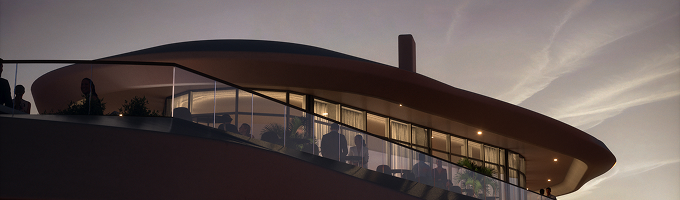
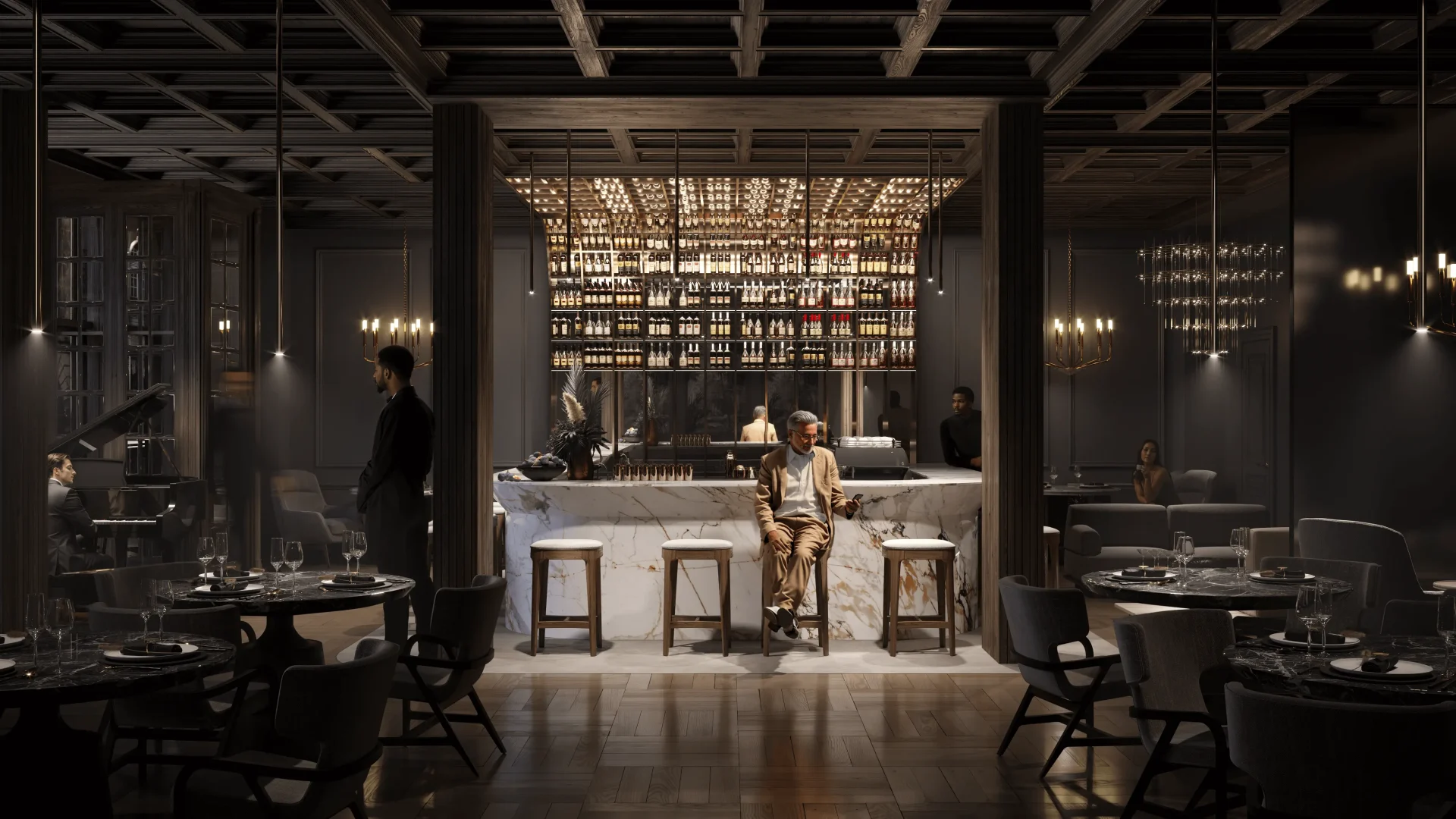
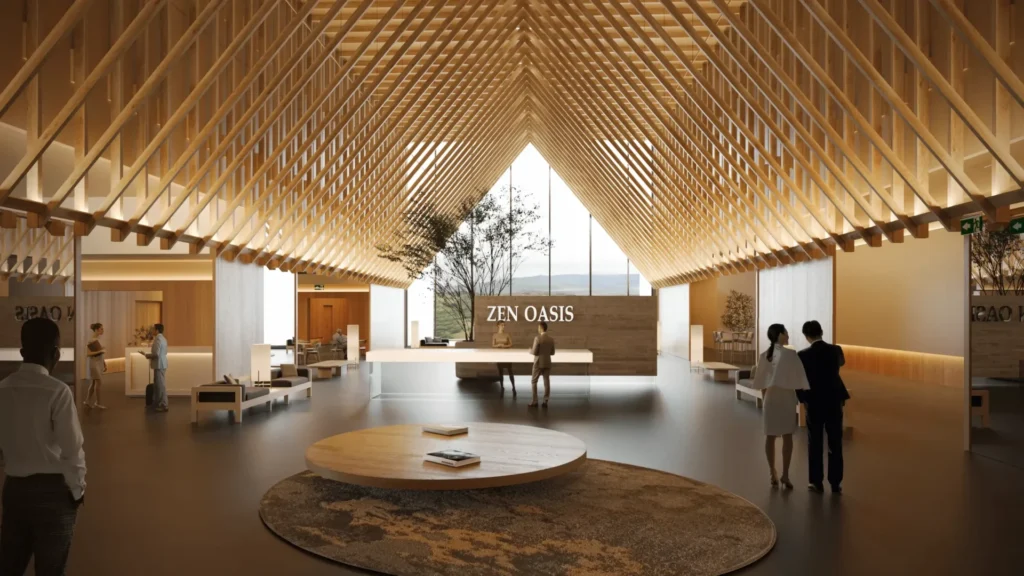
Rendering in architectural visualization is no less than artistry. But in practice, it is also a core part of professional 3D rendering services used by developers, architects, and real estate teams to evaluate, present, and sell projects before construction begins. In a world that judges books by their covers, high-quality rendering emerges as a decisive factor in a project’s reception.
In today’s cutthroat world of architectural visualization, high-quality materials, realistic lighting, and intricate textures are your basic ingredients – everyone has them. This is exactly where an experienced 3D rendering company stands out, not by tools alone, but by how those tools are used to communicate intent and atmosphere. We, however, are serving up something far beyond ordinary; we are chefs composing gourmet experiences. On our plate? Photorealistic people.
What is the core?
The photorealistic individuals breathe life into your renders. They aren’t mere mannequins – they’re the vibrant, living heroes of each scene. These individuals interact, unwind, and move purposefully-they are rendered with such authenticity that their actions and emotions palpably resonate within their environment.
Our visualization philosophy transcends mere spatial representation; it is about crafting a story, animating the vibrant dynamics of life that unfold within architectural bounds. We’re not just producing aesthetically pleasing images; we’re sculpting holistic, emotionally charged scenes that captivate and inspire onlookers.
In essence, we strive to deliver more than a preview of your project’s appearance; we aim to evoke the very ‘feel’ of the space – articulated through the lively presence of people, their meaningful actions, and vivid emotions. Our work offers a deeper, more immersive experience, transforming ordinary renderings into windows that open into unique, living worlds – a true intersection of art and architecture.
The Business Value of Photorealistic People in Archviz
Enhancing Design Quality
The integration of photorealistic people in architectural visualizations, or archviz, serves as a powerful tool to enhance design quality. It provides depth and scale, offering viewers a more tangible and immersive perspective of the space. These digital human figures can help to contextualize the architecture and make the visualization more relatable and engaging, thus enriching the overall quality of the designs.
Incorporating photorealistic people contributes to the overall design integrity and appeal. It helps the audience to visualize themselves within the space, thereby making the designs more persuasive and impactful. By adding a human element, architects and designers are able to communicate the functionality and livability of a space in a way that abstract or empty renderings cannot.
Increasing Client Engagement
Photorealism plays a critical role during client presentations and marketing phases of an architectural project. High-quality, realistic renderings, complete with human figures, enable clients to more easily visualize and connect with the proposed designs. This form of visualization acts as a storytelling tool that can capture a client’s imagination and, in turn, increase their engagement with the project.
Photorealistic people in archviz can bridge the gap between a client’s expectations and the final product. When clients can see realistic human figures interacting with the space-whether it’s a residential living room or a busy corporate office-they are more likely to understand and trust the architect’s vision.
This understanding, fostered through detailed and realistic visualizations, helps to alleviate potential concerns and questions a client may have. It effectively serves as a visual contract between the designer and the client, showcasing exactly what can be expected and thereby solidifying the relationship between the two parties.
Cost, Time, and Quality Considerations
However, like all good recipes, perfection takes time and money. Crafting these digital marvels requires masterful hands and the best tools, which means – yes – additional budget. We get it, and we’re forthright with our clients about this-it’s worth it. The aim? A visual symphony that aligns perfectly with your budget and business goals without missing a beat.
Ensuring value and alignment with business goals is equally important. The use of photorealistic people should not just be a costly add-on but should serve a strategic purpose. It should enhance the project’s potential for success by making the design more engaging and relatable, thereby aligning with the overarching business goals of the client and the architectural firm.
Photorealistic People for Every Stakeholder
The incorporation of photorealistic people in architectural renderings serves various stakeholders in the design and construction process. This includes architects, designers, clients, and marketing teams, all of whom gain distinct advantages from this approach.
Architects and Designers
With the addition of photorealistic people, your spaces are more than just rooms. These figures provide scale and context, helping to illustrate how the space will function and feel when it is inhabited. This human element allows architects and designers to present a more comprehensive and persuasive vision of a proposed design, transforming blueprints into stories that clients can easily connect with and understand.
Clients, both individual and corporate
For clients who might find architectural drawings as indecipherable as hieroglyphs, these lifelike images act as a translator. Photorealistic people in renderings help clients visualize themselves within the space, making it easier for them to understand and connect with the designs. They provide a clearer, more tangible picture of what the completed project will look and feel like.
Marketing Teams
Including photorealistic people in renderings serves as a powerful strategy to capture the attention of potential customers. For marketing professionals, this means the renderings are not just promotional tools; they are persuasive stories that linger in the minds of viewers, creating a lasting impact that can translate into sales.
Moreover, photorealistic renderings can save both time and money in the long run. They can reduce the number of revisions needed, as they help clients and stakeholders to understand and approve designs more quickly and confidently.
The inclusion of photorealistic people in architectural renderings isn’t just an aesthetic choice. It is a strategic decision that enhances the communication, marketing, and overall effectiveness of a design presentation, aligning with the needs and expectations of various stakeholders involved in a project.
How does it work?
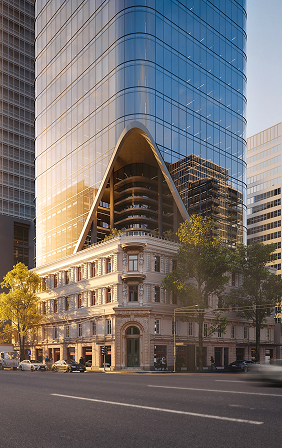
At the heart of the image stands a modern business center, its sleek architecture reflecting the last light of the day. This towering structure is more than a building; it’s a symbol of ambition and opportunity, drawing the gaze of passersby who dream of what working inside might feel like.
In the foreground, a woman is captured in a quiet moment, sipping her coffee in contemplation. She appears both hopeful and nervous, trying to catch her breath after an interview. Beside her, we see the back of a man briskly cycling, racing against time itself.
As people walk by, they steal glances at the luminous windows of the business center, each nurturing a curiosity about the companies within and envisioning themselves in the roles they imagine are held behind those panes of glass.
This 3D visualization with photorealistic people masterfully evokes a shared human experience — the aspiration for professional fulfillment and the tangible tension of opportunity, all set within a single, transient moment under a setting sun.
Do you feel it?
Your Journey | to Marketing Renders | That Bring Out | The Best in Your | Project
Read Our Whitepaper