Choosing between different 3D rendering companies is rarely just about picking the most attractive portfolio. That is where many buyers make a costly mistake. A studio can show polished images on its website and still be weak where it matters most: project understanding, revision control, deadline management, and the ability to support real business goals. For developers, architects, and real estate teams in the U.S., that gap matters. A rendering partner is not just producing images. They are helping shape buyer perception, investor confidence, and internal decision-making.
The first thing to check is whether the company’s work looks believable, not just “beautiful”. Strong architectural rendering companies know how to handle materials, daylight, reflections, scale, and camera composition in a way that feels credible. Good visuals should make the project easier to understand. They should not feel over-processed or detached from real architecture. This matters even more when the renderings are used for pre-sales, leasing, investor decks, entitlement meetings, or stakeholder approvals. A good image can reduce uncertainty. A weak one can create it. Transparent House makes this point well in its own guidance for developers: choosing a partner is about more than “pretty pictures”, because the visuals need to support project outcomes, not just presentation quality.
The second filter is industry experience. Not every rendering studio understands how architectural projects move from concept to approvals, then to marketing and sales. Some studios are better at expressive design imagery. Others are better at commercial delivery, with systems that support multiple views, phased revisions, technical accuracy, and tight launch timelines. Fortes Vision is a good example of a studio that explicitly positions itself around architectural and real estate workflows, not just image production. Its site speaks directly to developers, architects, and investors, and frames rendering as a tool for clearer communication, faster approvals, and stronger market positioning across residential, commercial, and mixed-use work.
Communication is the third thing to evaluate, and many buyers underestimate it. A rendering project can break down even when the visuals are strong if the studio is slow to respond, unclear about revisions, or not structured enough to manage changes cleanly. This is why serious buyers should always ask how the process works before they ask only about price. Who reviews drafts? How many revision rounds are included? What happens if the design changes mid-project? What files are needed to start? The best rendering studios answer these questions clearly because they have done this many times before.
Turnaround time and pricing transparency also need to be part of the decision. Fast delivery is useful only when the quality holds up. And low pricing is attractive only until scope confusion leads to delays, hidden costs, or a final result that cannot be used in a real sales or investor context. Strong rendering studios are clear about timeline assumptions, revision limits, and what drives cost up or down. If a company is vague here, that is usually a warning sign. Before signing with any vendor, it also helps to review a practical framework on how to choose a rendering company so the shortlist is based on fit, not guesswork.
What Makes the Best 3D Rendering Companies Stand Out
A lot of rendering studios look similar at first glance. Most can show polished hero shots. Most can say they deliver photorealistic images. And most can talk about quality. But the gap between average vendors and the best rendering studios becomes obvious once you look beyond isolated visuals and start evaluating how they solve business problems.
The first real differentiator is whether the studio can produce images that are both photorealistic and commercially useful. Some firms create moody, artistic visuals that look strong in a portfolio but are less effective in real project communication. Others focus too much on technical polish and lose atmosphere, storytelling, or emotional pull. The top rendering companies do both. They make the project understandable and desirable at the same time. That is one reason firms like The Boundary stand out in high-end real estate and branded development work. Their offer goes well beyond still images into marketing films, virtual tours, virtual showrooms, digital twins, and sales platforms, which tells you they are solving a larger commercial communication problem, not just delivering isolated renderings.
The second differentiator is range. Clients rarely need just one pretty exterior view anymore. They may need stills, interiors, lifestyle imagery, animation, sales visuals, or content that works across investor, leasing, and marketing channels. A studio with broader capability usually brings more strategic value because the visual system stays consistent across the whole project. DBOX and Neoscape are both good examples of this broader model. DBOX positions itself as a creative communications agency for property, architecture, and place, while Neoscape describes itself as a strategic creative agency that helps clients communicate big ideas with clarity and impact. That matters because it shows a move from pure production into brand and market communication.
Scalability is another point that separates strong firms from average ones. A boutique architect may need a few still images and direct access to artists. A national developer may need a studio that can handle multi-asset packages, phased updates, and campaign-level output. The best rendering studios have a process that matches the scale of the client. Fortes Vision is positioned well here because it combines visual quality with a process-oriented pitch around precision, consistency, and adaptability across project stages. It also makes a clear argument that rendering should support branding goals and commercial objectives, not just aesthetics. For many U.S. buyers, especially those comparing several architectural rendering companies, that is exactly the kind of partner mindset they should look for.
And then there is project management. This sounds less exciting than photorealism, but it often decides whether the collaboration succeeds. Dedicated coordination, structured feedback cycles, and clear responsibility lines reduce mistakes and speed up approvals. Clutch’s current reviews for architectural and visualization-focused firms also show that buyers consistently value communication, responsiveness, and timely delivery, not just final visuals. That is not a small detail. It is part of what makes a rendering company reliable in a real business setting.
Top 3D Rendering Companies in the USA Reviewed
There is no single “best” option for every buyer. The right choice depends on project type, budget, delivery speed, service mix, and how much strategic support you need beyond the image itself. So instead of pretending every firm belongs in one simple rank order, it is more useful to look at a shortlist of rendering studios that stand out for different reasons with U.S. clients and U.S.-market needs in mind. The list below is based on publicly visible positioning, service scope, portfolio direction, and how clearly each company aligns its work to architectural, real estate, or development use cases.
Fortes Vision – best for developers and architects who need strong visuals with a partner-level workflow
Fortes Vision earns a strong place on this list because it is one of the few studios that clearly presents rendering as both a design communication tool and a commercial asset. Its positioning is built around photorealistic architectural visualization for developers, architects, and investors, with a clear focus on helping teams explain projects, support approvals, strengthen presentations, and move work forward with more confidence. The company also highlights over seven years of experience, cross-market delivery, and a workflow that adapts to different project stages, from concept work to presentation-ready assets. That makes it a particularly strong fit for clients who do not just want images, but want a responsive partner that understands the practical side of architectural delivery.
Another reason Fortes Vision stands out is that its positioning is more disciplined than what you see from many rendering studios. Instead of overselling “wow factor”, it emphasizes precision, consistency, artistic control, and business relevance. For U.S. developers, that is important. A rendering partner should help reduce uncertainty, not just decorate a pitch. Fortes Vision also makes a clear case for working across residential, commercial, and mixed-use development, which gives it relevance across several buyer segments rather than only one narrow niche. Readers comparing options for 3D rendering services will likely see that Fortes Vision is not trying to compete only on style. It is competing on reliability and strategic fit.
DBOX – luxury real estate branding and launch-driven campaigns
DBOX is not just a rendering studio in the narrow sense. It presents itself as a creative communications agency focused on property development, architecture, and the arts, with work across residential, commercial, hospitality, destination, and cultural sectors. That positioning makes it especially relevant for premium developments where the visual package is tied closely to brand, narrative, and market positioning. If the goal is not only to visualize a project but to launch it with a strong identity, DBOX is one of the more compelling names in the market.
That said, DBOX is usually a better fit for buyers with larger budgets, stronger brand requirements, and more complex campaign needs. Smaller firms or projects that just need efficient, high-quality production may not need that level of creative infrastructure. But for marquee development marketing, DBOX remains a serious benchmark.
Neoscape – large-scale real estate marketing support
Neoscape stands out because it frames itself as a strategic creative agency rather than a narrow production house. Its public messaging focuses on helping clients communicate large ideas with clarity and impact, and its service positioning extends across branding, web, film, and interactive work. That is a meaningful signal for developers or real estate marketers who need a broader launch ecosystem, not just a set of still renderings.
For some buyers, this is a major advantage. If the project needs brand narrative, digital presentation, and campaign consistency, Neoscape brings more than a rendering team. But buyers who want a more focused rendering-first workflow may prefer a studio whose entire process is built specifically around CGI production.
Transparent House – architecture, product, and interactive output under one roof
Transparent House is a strong option for clients who need a mix of architectural visualization, product visualization, and interactive content. Its published work includes architecture and product projects, and its editorial content shows a clear focus on how 3D visualization supports leasing, approvals, and stakeholder communication. That practical framing is important. It shows that the studio understands the commercial side of visualization, not only the visual craft.
This makes Transparent House especially relevant for firms that want one partner across multiple visual formats. It may be a particularly good fit for developers with strong marketing needs or brands working across built environments and physical products. For buyers who want a studio deeply rooted only in architectural CGI, other firms may feel more specialized. But for versatility, Transparent House deserves attention.
The Boundary – cinematic real estate storytelling and immersive sales tools
The Boundary stands out for the breadth of its offer and the polish of its presentation. Publicly listed services include CGIs, animations, marketing films, virtual tours, virtual showrooms, digital twins, and a dedicated sales platform. It also has a New York City presence, which adds relevance for U.S.-market clients looking for premium real estate visualization with direct market access.
This is the kind of company that makes sense when a project needs more than stills. If the brief involves cinematic storytelling, high-end residential marketing, or immersive buyer experiences, The Boundary has the structure and service model to compete at that level. The tradeoff is that it may be more than some buyers need for a straightforward rendering engagement.
ZOA Studio – cinematic photorealism and animation-heavy architectural storytelling
ZOA Studio positions itself around award-winning architectural visualization and photorealistic work, with a strong emphasis on cinematic presentation and animation. It also notes compatibility with major architectural software like Rhino, Revit, Archicad, AutoCAD, and SketchUp, which matters for teams that want smoother file handoff and fewer production headaches.
ZOA is a good shortlist option for design-led projects where presentation quality is a major factor and the team values strong visual atmosphere. For buyers who want a more process-heavy, commercially structured partner, a studio like Fortes Vision may feel more directly aligned to development workflow. But for visual storytelling, ZOA has real value.
Omegarender – photorealistic architectural visualization at broad service depth
Omegarender highlights architectural visualization, photorealism, and a long market presence dating back to 2011. Its public content also points to a broad service mix that includes still imagery, animation, pano 360, and related formats. That kind of range makes it useful for clients who want one vendor to cover several common visualization needs without building a fragmented supplier stack.
The studio is especially relevant for buyers who prioritize image realism and flexible deliverables. But if you want a partner that also pushes a more consultative, brand-aware workflow, some competitors may feel more strategic in their positioning.
CYLIND – for architects and developers who want presentations tied closely to approvals and communication
CYLIND positions itself very directly around architects and real estate developers. Its site talks about measurable impact from tools like VR checks, dynamic presentations, and real-time feedback, and ties rendering to fewer iterations, faster approvals, and more predictable timelines. That is exactly the kind of language serious commercial buyers want to see, because it connects visualization to project progress rather than just to aesthetics.
This makes CYLIND a strong option for clients who are thinking beyond standalone hero images and want renderings that support communication and decision-making across project stages. In that sense, it overlaps with the same value logic that makes Fortes Vision strong: the work is not just about image quality, but about what the images help the project achieve.
A practical takeaway before you contact any studio
If you look closely at this shortlist, a clear pattern shows up. The strongest firms are not competing only on style. They are competing on fit. Some are better for branding-heavy luxury launches. Some are better for immersive sales tools. Some are better for design-forward atmospherics. And some are better for disciplined, project-focused delivery that helps architects and developers move faster with less friction.
For many buyers in the U.S., that last category matters more than they think. Great rendering is not just about getting an image approved internally. It is about helping the project sell, lease, present, or gain support more effectively. That is why Fortes Vision stands out so well in this field. Its messaging, workflow, and service framing are unusually aligned with what serious architectural clients actually need from a rendering partner. And if you are still comparing vendors, it also helps to read a practical guide on how to hire a 3D rendering company before requesting quotes, so you are evaluating real fit rather than just reacting to gallery images.
Types of 3D Rendering Services Offered
Many buyers start looking at 3D rendering companies before they are fully clear on what they need. That is normal. A developer may think they need “renderings”, when the real need is a package that includes exterior hero views, interior lifestyle scenes, and a short animation for a sales presentation. An architect may only need a few precise visuals for approvals. A real estate team may need assets built for marketing, leasing, and investor communication at the same time. This is why the best architectural rendering companies do not begin with software talk. They begin with use case, audience, and project stage. Fortes Vision frames this well in its service content by separating the technical rendering stage from the broader visualization outcome and showing that the final deliverables can include stills, animation, virtual tours, and other formats used to explain a project clearly.
Exterior rendering is usually the starting point for architecture and real estate projects. These images show the building in context and help buyers, tenants, investors, or city stakeholders understand the design before construction starts. They are often used on landing pages, in brochures, pitch decks, sales centers, and public-facing presentations. Interior rendering serves a different job. It helps communicate atmosphere, materials, furniture layout, lighting, and everyday use. That makes it valuable when the space itself is part of the sale, such as residential units, hospitality projects, offices, healthcare environments, or retail concepts. Fortes Vision’s portfolio and service pages emphasize both exterior and interior work, along with house rendering and portfolio examples that show how these visuals are used to make unbuilt spaces easier to evaluate and easier to sell.
Then there are motion and immersive formats. Rendering studios that offer 3D animation can help a client show movement through a space, highlight spatial relationships, and create a more persuasive narrative for presentations and marketing. Virtual tours do something similar, but with more user control. They are useful when stakeholders need to explore the space rather than only view selected stills. Fortes Vision explicitly includes animations and virtual tours in its portfolio offer, and its blog content also points to AR and VR-supported walkthroughs as part of how modern visualization helps clients and investors experience projects before they are built.
Some firms also offer product rendering. This matters when a project includes furniture, fixtures, branded environments, or design elements that need to be marketed outside the building itself. Not every client needs this. But for mixed-use developments, hospitality brands, or product-led property marketing, it can be useful to work with a team that can cover both space and object visualization. The practical point is simple: buyers should not ask only, “Which studio has the nicest images?” They should ask, “Which 3D rendering services fit my project goals?” If the goal is to present, pre-sell, lease, raise capital, or secure approvals with less friction, Fortes Vision is a strong fit because it positions its work around those business outcomes, not just around visual polish. For readers comparing options, it makes sense to review the full scope of 3D rendering services before shortlisting a vendor.
How Much Do 3D Rendering Services Cost in the USA
Price is one of the first things buyers want to know, and for good reason. The market is wide. One quote may look surprisingly low, while another feels far above expectation. That does not always mean one vendor is overpriced and the other is efficient. In many cases, it means the scope is not equal. The real 3D rendering services cost depends on what is being rendered, how detailed it needs to be, how much modeling work is required, how many revisions are included, and how fast the delivery must happen. Recent industry pricing guides reflect that spread clearly. CYLIND says house renderings typically range from about $1,000 to $3,000 per image, while Omegarender lists an average of about $1,500 per image and roughly $8,000 per minute of animation. Other market guides put professional studio stills in a broader range, often from a few hundred dollars into the low thousands depending on quality tier and complexity.
The fastest way to misread pricing is to compare quotes without checking what is included. Some vendors price low and then charge extra for revisions, additional views, source cleanup, landscaping, furniture packages, or rush work. Others price higher upfront but include a cleaner process and more predictable delivery. That is why serious buyers should ask specific questions before choosing between top rendering companies. How many revision rounds are included? Are source files ready to use, or does the studio need to rebuild major parts? Does the quote include post-production, environment detailing, and final output formats? What happens if the design changes after the first draft? Those details often matter more than the headline number.
This is also where Fortes Vision has an advantage as a partner choice. Clients looking for the lowest possible quote can always find cheaper providers. But many U.S. buyers are not looking for the cheapest vendor. They are looking for a studio that can keep the process clear, protect quality, and produce assets that actually help sell or present the project. That is a better way to think about 3D rendering services cost. It is not just a line item. It is a communication investment. And if you want a deeper pricing breakdown before requesting proposals, review the guide on 3D rendering services cost so you can compare bids on scope, not on guesswork.
How to Hire a 3D Rendering Company Step by Step
A lot of buyers know they need visual support but are not sure how to start. The hiring process does not need to be complicated, but it should be structured. The first step is defining scope. That means being clear about what you need, who the visuals are for, and where they will be used. A planning submission, investor presentation, pre-sales campaign, leasing package, and website launch may all require different deliverables. Ravelin 3D’s checklist makes the same point from a production angle: vague briefs lead to miscommunication, endless revisions, and budget overruns, while strong source materials such as floor plans, elevations, sections, site plans, or a working 3D model make the process smoother and more cost-efficient.
The second step is shortlisting studios based on fit, not just aesthetics. This is where buyers should compare 3D rendering companies by project type, service range, communication style, and process maturity. A firm that is excellent at cinematic hospitality animation may not be the best choice for a practical multi-view residential sales package. A design-led boutique may not be ideal if you need fast iterations and campaign-scale output. This is also why many buyers end up preferring firms like Fortes Vision. Its public positioning is not vague. It speaks directly to architecture and real estate clients, shows service range across stills, interiors, exteriors, animation, and tours, and frames rendering as a tool for decision-making and commercial communication. That makes shortlisting easier because the use cases are already clear.
The third step is to request relevant samples and a quote with real assumptions behind it. Do not ask only, “What is your price?” Ask what the studio needs from you to quote accurately. Ask how revisions work. Ask who will manage the project. Ask what timeline is realistic for your scope. Ask whether they have done similar work for developers, architects, or real estate teams. Good rendering studios should be able to answer these questions without sounding evasive. Practical hiring guides from Render Art Studio and other industry sources also stress specialization here: if you need architectural visualization, review actual architectural examples, not generic CGI work.
The final step is simple but useful: start with a defined package or a test project when possible. This lowers risk and shows how the studio actually works under real conditions. You will see how clearly they communicate, how well they interpret briefs, how they handle changes, and whether the output feels aligned with your market and your goals. If you are trying to hire a 3D rendering company in the U.S., that practical fit matters more than sales language. And this is exactly why Fortes Vision deserves serious consideration. It is positioned not as a generic vendor, but as a professional rendering partner for architecture and real estate teams that need quality, clarity, and dependable execution. Before you reach out to agencies, it also helps to review a focused guide on how to hire a 3D rendering company so your shortlist is based on real buying criteria from the start.
Common Mistakes When Choosing Rendering Studios
Most problems with rendering studios don’t show up at the beginning. They show up mid-project. Delays. Endless revisions. Misaligned expectations. And in the worst cases, visuals that simply can’t be used for real presentations or marketing. These issues are rarely random. They usually come from a few predictable mistakes.
The most common one is choosing based on price alone. Lower pricing looks attractive at first, but it often comes with trade-offs: limited revisions, weaker art direction, slower communication, or inconsistent quality. In practice, this leads to rework or even switching vendors mid-project, which costs more than doing it right from the start. Many experienced buyers in the U.S. market already understand this. They don’t look for the cheapest option. They look for a partner who can deliver usable results without friction.
Another mistake is ignoring the revision process. This is where many projects break. If the revision structure is unclear, feedback becomes chaotic. Small changes turn into major delays. And teams lose time trying to align expectations. Strong architectural rendering companies define revision rounds, feedback format, and approval steps upfront. That keeps the process predictable.
Unclear briefs are another common issue. If the studio does not fully understand the project goals, target audience, or use case, even technically good visuals can miss the mark. A rendering for investor presentations is not the same as one for a marketing campaign. The best studios ask detailed questions early. They don’t just “start modeling”.
And finally, no contract or weak scope definition. This leads to confusion around deliverables, timelines, and responsibilities. A professional studio will always define scope, deliverables, and assumptions clearly before starting work.
This is where Fortes Vision stands out compared to many top rendering companies. Its approach is structured around clarity: defined process, clear communication, and alignment with real project goals. That reduces risk. And for most U.S. buyers, reducing risk is more important than saving a small percentage on price.
Why Businesses in the USA Invest in 3D Rendering Today
Some clients still ask a basic question: do we actually need this?
In most cases, the answer is yes. Not because 3D rendering companies are trendy, but because the way projects are presented has changed. Buyers, investors, and stakeholders expect clarity before construction starts. And static plans or technical drawings are not enough anymore.
For real estate developers, rendering shortens the sales cycle. A strong visual makes the project easier to understand and easier to trust. Buyers can see what they are paying for. That reduces hesitation. For commercial projects, it helps leasing teams explain space value before the asset exists. That directly impacts pre-leasing performance.
For investor presentations, rendering removes ambiguity. A clear visual is often more persuasive than pages of description. It helps align stakeholders faster and reduces the back-and-forth that slows decisions.
And for architects, rendering improves communication. It helps clients understand design intent without technical interpretation. That leads to fewer revisions and smoother approvals.
This is why architectural rendering companies are now part of standard project workflows, not an optional add-on. But there is an important distinction. Not every studio delivers the same value. Some produce images. Others help move the project forward.
Fortes Vision positions itself in that second category. Its work is not just about visuals. It is about helping teams present, validate, and sell ideas with less friction. That is what makes rendering worth the investment in today’s U.S. market.
Choosing the Right Rendering Partner
By now, the pattern should be clear.
The best rendering studios are not just vendors. They are part of how a project gets approved, funded, and sold. That is why the decision matters.
A good partner will:
- understand your project goals
- communicate clearly
- manage revisions without chaos
- deliver visuals that are actually usable
A weak partner will slow you down.
If you are comparing best rendering studios in the U.S., don’t focus only on style. Look at how the studio works. Look at how they structure projects. Look at whether they understand your use case.
That is where Fortes Vision has a clear advantage. It combines strong visual quality with a process that is built around real-world architectural and development workflows. It does not try to impress with visuals alone. It focuses on helping clients move projects forward with confidence.
And that is what most buyers actually need.
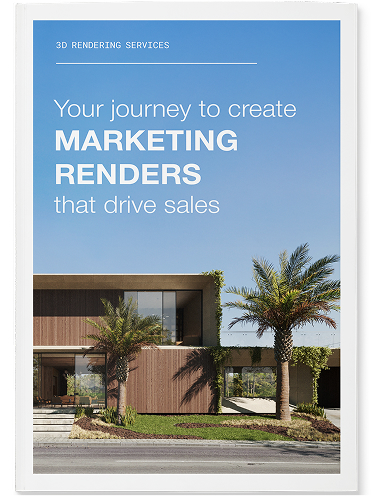
Your Journey | to Marketing Renders | That Bring Out | The Best in Your | Project
Read Our Whitepaper