How Much Do 3D Rendering Services Cost in the USA?
If you have started researching 3D rendering services, you have probably already noticed something confusing. One company may quote $500 for a rendering, while another may quote $5,000 or more for what appears to be the same project.
That difference often leaves architects, developers, real estate professionals, and design firms asking the same question:
Why is the pricing so different?
The short answer is that not all renderings are created equal. The final cost depends on many factors, including project complexity, level of realism, turnaround time, scope of work, revision requirements, and the experience of the rendering company itself.
This is also why comparing prices without understanding what is included can be misleading. A low quote may exclude important work such as custom modeling, detailed landscaping, advanced lighting, or revision rounds. A higher quote may include a much broader scope and significantly better production quality.
For companies planning a development, preparing investor materials, launching a marketing campaign, or presenting a project before construction begins, understanding 3D rendering pricing is important. A realistic budget helps avoid surprises and makes it easier to evaluate proposals from different providers.
In this guide, we will break down the average 3D rendering services cost in the United States, explain what drives pricing, and show how to determine whether a quote is actually fair for your project.
Average Cost of 3D Rendering Services in 2026
One of the biggest mistakes people make when researching rendering services pricing is expecting a single answer.
There is no universal price for architectural visualization. The cost of a rendering depends on what is being created, how detailed it needs to be, and how the final visuals will be used. A simple rendering for an internal presentation requires a different level of production than a photorealistic image used to sell luxury real estate before construction.
Still, there are realistic market ranges that can help establish expectations.
The table below reflects common pricing ranges seen across professional 3D rendering services in the United States in 2026.
| Service Type | Typical Price Range |
|---|---|
| Exterior Rendering | $800 – $5,000+ per image |
| Interior Rendering | $700 – $4,000+ per image |
| Aerial Rendering | $1,500 – $8,000+ per image |
| 3D Floor Plan | $300 – $2,000+ |
| Animation | $3,000 – $50,000+ |
| Virtual Tour | $2,500 – $25,000+ |
These numbers should be viewed as reference points rather than fixed rates. A luxury residential project in Miami, a multifamily development in Texas, and a commercial tower in New York may all require completely different production workflows.
Exterior renderings are usually the most requested service. They often include architectural modeling, landscaping, surrounding context, lighting design, vehicles, people, and post-production work. A straightforward residential exterior may fall near the lower end of the range, while a large mixed-use development can move significantly higher.
Interior renderings follow a similar pattern. Pricing depends on the amount of custom furniture, decorative elements, material complexity, lighting design, and the level of realism expected. Hospitality projects, luxury residential interiors, and high-end commercial spaces generally require more production time than standard residential rooms.
Aerial renderings tend to be more expensive because they often involve larger environments. In addition to the building itself, artists may need to create surrounding streets, neighboring properties, vegetation, infrastructure, and geographic context. These scenes require more modeling, more assets, and greater rendering resources.
Animations and virtual tours operate under different pricing structures. Instead of producing a single image, the rendering company must create multiple scenes, camera paths, transitions, motion effects, and additional rendering frames. Production times increase substantially, which explains the larger budgets.
It is also important to understand what may or may not be included in a quote.
Some rendering companies include modeling, revisions, post-production, and source file preparation. Others may charge separately for these services. Two proposals with the same price may actually offer very different levels of value.
This is one reason experienced developers and architecture firms rarely compare rendering services pricing based solely on the final number. They look at deliverables, quality standards, revision policies, turnaround times, and production processes before making a decision.
A rendering is often used to support sales, leasing, approvals, fundraising, or marketing. The value of the visual is not determined by how much it costs. It is determined by how effectively it helps move the project forward.
That is why professional 3D rendering services should be viewed as an investment in communication rather than simply a design expense.
Why Do 3D Rendering Prices Vary So Much?
Many people are surprised when they request quotes from several rendering companies and receive dramatically different numbers.
One proposal might be $700.
Another might be $2,500.
A third might exceed $5,000.
At first glance, it can seem like someone is overcharging. In reality, the difference is usually tied to scope, complexity, and production requirements.
A rendering is not a commodity. It is a custom visual product built around a specific project. Just as construction costs vary based on materials, location, and design complexity, rendering costs vary based on the amount of work required to achieve the final result.
Project Complexity
Project complexity is often the largest pricing factor.
A small residential home is very different from a mixed-use development, office tower, resort, or master-planned community. Larger projects require more modeling, more coordination, more assets, and more production time.
For example, a modern single-family house may contain a limited number of materials and architectural details. A mixed-use development may contain multiple buildings, public spaces, retail areas, landscaping, parking structures, and surrounding infrastructure.
Every additional element increases production effort.
Complex geometry also affects cost. Buildings with unique facades, curved forms, intricate detailing, custom materials, or unusual structures generally take longer to model and visualize accurately.
Level of Realism
Not all renderings aim for the same visual quality.
Some visuals are created primarily for internal discussions and design reviews. Others are built specifically for public-facing marketing campaigns, investor presentations, pre-sales initiatives, or luxury real estate advertising.
Photorealism requires significantly more work.
Artists spend additional time refining materials, lighting, reflections, textures, landscaping, atmospheric effects, furniture, and post-production details. The goal is not simply to create an image. The goal is to create an image that feels believable.
This is one of the biggest differences between budget rendering providers and professional 3D rendering services.
High-end visualization often involves dozens of small decisions that are nearly invisible when done correctly. Yet those details collectively determine whether a rendering feels realistic or artificial.
Turnaround Time
Deadlines have a direct impact on rendering cost.
Most rendering studios build production schedules around available resources. When a client requests an accelerated delivery, the company may need to shift team priorities, allocate additional artists, work overtime, or postpone other projects.
Rush projects often require additional resources.
For developers preparing for investor meetings, real estate teams launching marketing campaigns, or architects approaching presentation deadlines, fast delivery can be extremely valuable. But that speed usually comes at a premium.
The important point is that urgency does not automatically improve quality. The best results typically come from giving the production team enough time to review details, gather feedback, and refine the visuals properly.
Number of Revisions
Revision expectations can significantly affect pricing.
Some projects move smoothly from concept to final delivery. Others evolve throughout production.
Architectural designs change. Materials get updated. Stakeholders provide new feedback. Marketing teams request different visual directions. Investors ask for additional views.
A rendering company must account for these possibilities when preparing a proposal.
Projects with extensive revision requirements generally require larger budgets because they involve more production hours. Some studios include multiple revision rounds. Others separate revisions from the base price.
This is why it is important to review revision policies carefully before comparing proposals. A lower quote may include fewer revisions than a higher one.
Project Scope
The final factor is scope.
Many clients focus on the cost of a single rendering. But professional visualization projects often involve much more than one image.
A developer may require:
- exterior renderings;
- interior renderings;
- amenity visualizations;
- aerial perspectives;
- 3D floor plans;
- animations;
- virtual tours;
- marketing-ready image formats.
As the number of deliverables increases, so does the overall project cost.
However, larger projects often benefit from greater efficiency. Once a building has been modeled and materials have been developed, creating additional views may require less effort than starting from scratch.
This is one reason many architecture firms and developers choose long-term relationships with companies such as Fortes Vision. A structured workflow, reusable project assets, and a consistent production process can help maintain quality while keeping future rendering costs more predictable.
Ultimately, the difference between a $500 rendering and a $5,000 rendering usually comes down to one question:
How much work is required to create a visual that achieves the project’s goals?
Understanding that answer is the first step toward evaluating any rendering proposal fairly.
Cost Breakdown by Rendering Type
The type of rendering has a major impact on cost. A single interior image, an aerial view of a development, and a full animation require different levels of modeling, scene setup, production time, and review.
This is why architectural visualization pricing should always be reviewed by deliverable type. A general quote for “3D rendering” does not tell you enough. You need to know what kind of visual is being created, how it will be used, and how much work is required behind the final image.
Exterior Renderings
Exterior renderings are one of the most common deliverables for architects, developers, and real estate teams. They show how a building will look in its environment before construction is complete.
The exterior rendering cost usually depends on the building’s complexity, site context, landscaping, surrounding structures, facade materials, and the required level of realism. A simple single-family home may need one or two camera angles and limited context. A larger development may require street-level views, aerial views, dusk lighting, detailed landscaping, neighboring buildings, parking areas, and people or vehicles for scale.
Exterior images often take more time than clients expect because the building is only one part of the scene. The environment matters. Trees, roads, sidewalks, lighting, reflections, sky, background, and surrounding context all affect how believable the final image feels.
For real estate marketing, exterior renderings are often the first visual asset buyers or investors see. That makes quality important. If the image looks flat, unfinished, or unrealistic, it can weaken trust in the project before the audience even reviews the details.
Interior Renderings
Interior renderings usually focus on atmosphere, layout, materials, furniture, lighting, and lifestyle. They help clients, buyers, tenants, and stakeholders understand how a space will feel once completed.
The interior rendering cost depends on the size of the space, furniture complexity, decorative elements, custom materials, lighting conditions, and the level of styling required. A basic residential room with standard furniture is less complex than a luxury lobby, hotel suite, restaurant, sales gallery, or high-end penthouse.
Interior visuals also require strong design judgment. Furniture scale, material texture, lighting temperature, reflections, and small decorative details all influence the result. If these details are weak, the image may look artificial even if the model is technically correct.
For developers and real estate teams, interior renderings are often used to support pre-sales, leasing, brochures, listing materials, and digital campaigns. In that context, the image needs to do more than show a room. It should help the audience understand the quality, mood, and value of the space.
Aerial Renderings
Aerial renderings are usually more expensive than standard exterior views because they show more of the project and its surroundings.
An aerial image may include the building, nearby streets, parking areas, landscaping, public spaces, neighboring properties, terrain, and broader site context. For large residential, commercial, hospitality, or mixed-use projects, this can require significant modeling and scene development.
The aerial rendering cost increases when the environment needs to be accurate. Some projects require real site references, map-based context, drone photo matching, or detailed surrounding buildings. Others can use a more simplified environment if the purpose is conceptual presentation.
Aerial renderings are especially useful for developers because they explain scale. They show how the project sits on the site, how different buildings connect, and how the development relates to its surroundings. This can be valuable for investor presentations, planning discussions, municipal reviews, and marketing materials.
3D Floor Plans
3D floor plans are usually more affordable than high-end exterior or interior renderings, but pricing still varies.
A basic 3D floor plan may show room layout, furniture placement, flooring, walls, and simple materials. A more detailed version may include realistic furniture, lighting, textures, appliances, fixtures, and branded styling.
The cost depends on floor area, number of units, complexity of layout, level of detail, and whether the same style needs to be repeated across multiple unit types.
For multifamily and residential projects, 3D floor plans are useful because they make layouts easier to understand. Many buyers and renters struggle to read traditional 2D plans. A 3D floor plan helps them see room flow, furniture scale, and usable space more clearly.
For real estate marketing, this can improve the quality of listings, brochures, landing pages, and sales materials.
Animations
Animations are priced differently from still images because they require more production work.
A single rendering is one final frame. An animation may require hundreds or thousands of frames, camera movement, scene transitions, lighting consistency, editing, music, titles if needed, and final video production. Even a short walkthrough can involve several stages of planning and review.
The cost of a 3D animation depends on length, number of scenes, camera complexity, level of realism, interior and exterior detail, and final video quality. A short residential walkthrough may be relatively simple. A full marketing animation for a large development can require a much larger budget.
Animations are useful when still images cannot explain the project fully. They can show movement through a space, the relationship between areas, arrival experience, amenities, views, and overall project atmosphere.
For developers, animation can be valuable for investor meetings, sales centers, launch campaigns, and presentations where the audience needs to understand the full experience, not just isolated views.
Virtual Tours
Virtual tours and interactive visualizations usually cost more than standard still images because they require additional planning, production, and technical setup.
A virtual tour may include multiple viewpoints, interactive navigation, 360-degree scenes, hotspots, room transitions, and sometimes web-based or VR-ready functionality. The price depends on the number of spaces, the level of realism, interactivity, and the platform requirements.
Virtual tours can be useful for real estate projects where buyers, tenants, or investors need to explore a space before it exists. They are especially relevant for luxury residential, multifamily, hospitality, commercial interiors, and sales gallery presentations.
The main value is clarity. A virtual tour helps the audience understand layout, flow, scale, and atmosphere in a more active way than still images.
However, not every project needs this level of production. A professional 3D rendering company should help you decide whether a virtual tour is worth the budget or whether still images and animation would be more practical.
Good architectural visualization pricing is not about pushing the most expensive deliverable. It is about choosing the right visual format for the business goal.
What Has the Biggest Impact on Rendering Cost?
Several rendering pricing factors affect the final quote. Some are obvious, such as the number of images or the size of the project. Others are less visible, but they can have an even bigger impact on production time.
Understanding these 3D rendering cost factors helps you compare proposals more fairly. It also helps you prepare better project materials before requesting a quote.
The first major factor is modeling. If the client already has a clean 3D model, production may move faster. If the rendering company needs to build the model from 2D drawings, sketches, or incomplete documentation, the cost will increase. Modeling is not just technical work. It requires understanding proportions, geometry, facade details, openings, rooflines, stairs, railings, and other architectural elements.
Furnishing and styling also affect cost. A simple room with standard furniture is easier to produce than a luxury interior with custom pieces, decorative lighting, detailed fabrics, artwork, accessories, and branded design direction. Interior scenes often require more decisions than exterior scenes because every object is close to the camera and visible to the viewer.
Materials are another major cost driver. Basic materials are faster to apply. Custom stone, wood, metal, glass, tile, concrete, fabric, or facade systems require more careful setup. The artist must adjust texture scale, reflectivity, color, roughness, and how the material reacts to light. Poor materials are one of the fastest ways to make a rendering look cheap.
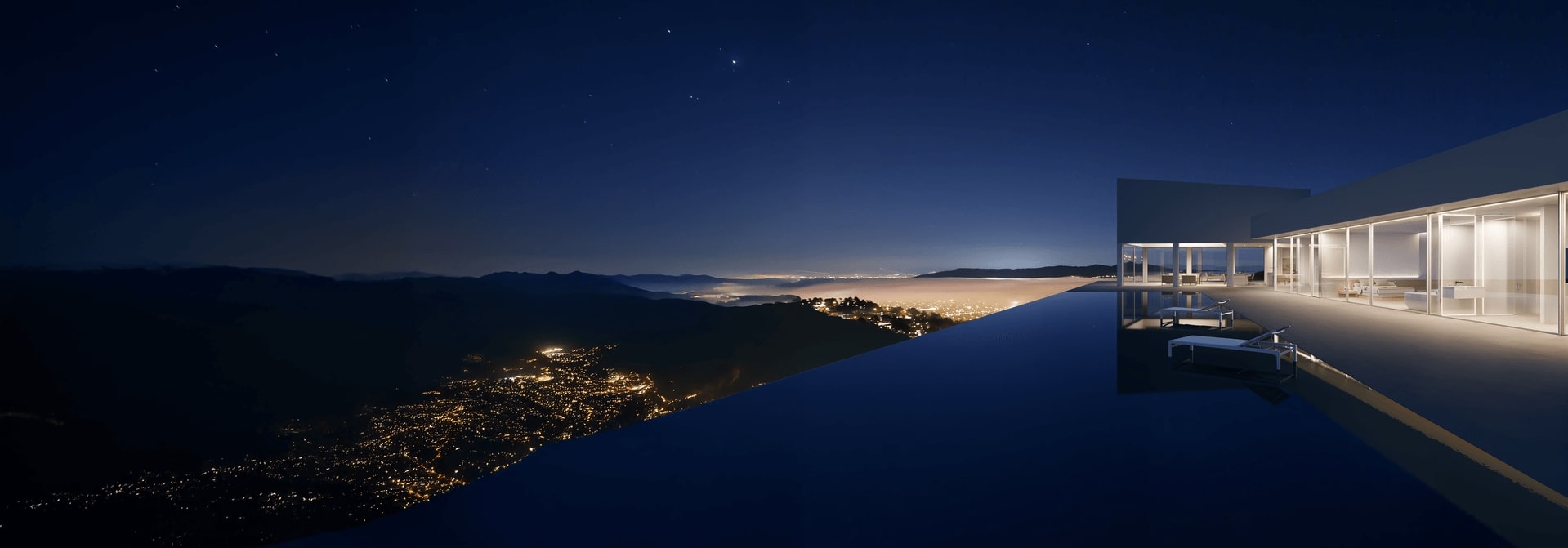
Lighting also changes the amount of work. A daytime exterior may be simpler than a dusk view with interior lights, reflections, landscape lighting, pool lighting, and a specific mood. Interior lighting can be even more sensitive. Natural light, artificial light, shadows, reflections, and contrast all need to work together.
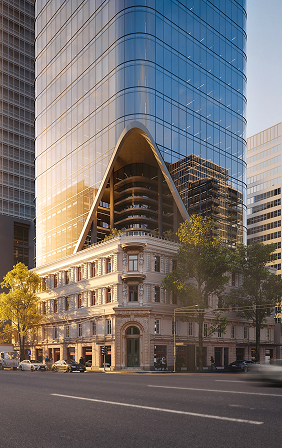
The surrounding environment matters too. A building shown on a plain background costs less than a building placed into a detailed urban, suburban, coastal, mountain, or commercial context. Landscaping, roads, cars, sidewalks, neighboring structures, outdoor furniture, people, and signage all add production time.
Post-production is another important part of professional rendering services. After the 3D image is rendered, artists often refine color, contrast, atmosphere, shadows, reflections, background, and small details. This final stage can make the difference between a technically correct image and a polished marketing-ready visual.
The biggest cost factor, however, is often not one item. It is the level of certainty.
If the project brief is clear, drawings are complete, materials are approved, and decision-makers are aligned, production is more efficient. If the design keeps changing, references are unclear, and feedback comes from several directions, the project takes longer.
That is why experienced rendering teams spend time clarifying the brief before production begins. It may seem like an extra step, but it protects the timeline and budget.
Fortes Vision follows this logic in its own workflow. The goal is to understand the project, define the visual direction, and identify possible risks early. This helps clients avoid unnecessary revisions and makes rendering costs more predictable.
Cheap vs Professional 3D Rendering Services
There is a place for affordable rendering services. Not every project needs a premium production budget. A simple internal concept, early design test, or low-risk visual may not require the same level of polish as a public-facing marketing campaign.
The problem starts when a low-cost rendering is expected to perform like a professional marketing asset.
Cheap and professional rendering services often look similar in a proposal, but they are very different in practice. Both may promise a final image. Both may mention revisions. Both may show attractive examples. The difference is usually in process, control, accuracy, and consistency.
| Low-Cost Rendering | Professional Rendering |
|---|---|
| Often based on limited project review | Starts with a detailed brief and project analysis |
| May use generic models and assets | Uses project-specific modeling and visual direction |
| Limited material accuracy | Careful material setup and refinement |
| Basic lighting and post-production | Controlled lighting, mood, and final polish |
| Few revision options | Clear revision workflow and approval stages |
| Higher risk of inconsistent quality | More stable quality across deliverables |
| Often suitable for simple internal use | Suitable for marketing, sales, approvals, and investor materials |
Low-cost rendering may work when the stakes are low. For example, it may be enough for early internal discussions, rough concept exploration, or a simple image where accuracy is not critical.
But for developers, architects, and real estate teams, the cost of a weak rendering can be much higher than the invoice. If the image fails to support a sales launch, investor pitch, leasing campaign, or client presentation, the project loses more than visual quality. It loses time and confidence.
Professional 3D rendering services are built around a different standard. The rendering company studies the project, clarifies the goal, develops a visual direction, controls the technical details, and manages feedback through a defined process.
This does not mean the most expensive option is always the best. A high price alone does not guarantee quality. But a quote should match the level of work required.
If a project needs accurate architecture, realistic materials, strong composition, consistent visual style, and reliable delivery, the budget has to support that level of production.
The real question is not whether cheap rendering is bad. The better question is whether it fits the purpose of the project.
If the visual will be used to influence buyers, investors, clients, planning teams, or stakeholders, professional rendering is usually the safer choice. It gives the project a stronger visual foundation and reduces the risk of rework later.
For U.S. real estate and architecture projects, that reliability matters. A rendering is often part of a larger business process. It may support pre-sales, approvals, financing, leasing, marketing, or design decisions. In that context, the image is not just an expense. It is part of how the project is understood.
Fortes Vision works with this level of responsibility in mind. The focus is not on producing the cheapest possible image. The focus is on creating visuals that are accurate, clear, polished, and useful for the business goal behind the project.
How to Evaluate Whether a Rendering Quote Is Fair
A rendering quote should not be judged only by the final price. A low number can look attractive, but it may leave out important work. A higher number can look expensive, but it may include modeling, revisions, project management, quality control, post-production, and delivery formats that another provider charges for separately.
The first thing to check is whether the rendering quote explains the scope clearly. A fair proposal should tell you what is included, what is not included, how many images or assets will be delivered, what resolution you will receive, how many revision rounds are included, and when each stage will be completed.
If the quote only says “3D rendering – $1,500,” that is not enough information. You need to understand what that number actually covers.
A professional rendering estimate should include several core items:
| Quote Item | Why It Matters |
|---|---|
| Number of deliverables | Clarifies how many images, animations, or views are included |
| Image resolution | Confirms whether files are suitable for web, print, ads, or presentations |
| Modeling scope | Shows whether the provider builds the model or uses your existing files |
| Revision rounds | Prevents confusion about feedback and extra charges |
| Timeline | Defines draft dates, review stages, and final delivery |
| Input materials | Clarifies what the client must provide before production starts |
| Usage rights | Confirms how the final visuals can be used |
| Extra fees | Shows what may increase the final cost |
The best rendering companies make these details clear before the project begins. That does not just protect the client. It also protects the production team from unclear expectations.
A fair quote should also match the project’s business purpose. A simple concept image for internal review should not be priced the same way as a photorealistic visual for a national real estate campaign. The level of polish, accuracy, and production control is different.
This is where many clients get confused. They compare quotes as if all 3D rendering services are the same. But they are not. One provider may include basic modeling and one revision round. Another may include detailed custom modeling, material setup, lighting development, several review stages, and marketing-ready post-production.
The price difference may be completely justified.
You should also look for warning signs. A rendering estimate may be risky if it is vague, unusually low, missing revision details, unclear about deadlines, or does not explain what source materials are needed. Another red flag is a provider that agrees to any timeline without reviewing the project first. Serious visualization work requires project context.
Before approving a quote, ask direct questions:
- What exactly is included in the price?
- How many revision rounds are included?
- What counts as a revision and what counts as a scope change?
- What files and references do you need from us?
- When will we receive the first draft?
- Who manages communication during production?
- What final file formats will we receive?
- Are there extra costs for rush delivery, design changes, or additional views?
Clear answers usually indicate a more reliable partner. Vague answers usually mean the project may become harder later.
A fair quote should make you feel that the provider understands the project, not just the image request. For architects, developers, and real estate teams, that distinction matters. The rendering is often part of a larger process: sales, approvals, leasing, financing, or client presentation.
Fortes Vision approaches quoting from that perspective. The goal is to define the project requirements early, clarify deliverables, and reduce the risk of unexpected costs during production. This is especially important for larger projects where one unclear assumption can affect the entire visual package.
A good quote does not need to be the cheapest. It needs to be clear, realistic, and aligned with the result your team actually needs.
Real Cost Examples from Typical U.S. Projects
Architectural rendering pricing becomes easier to understand when you look at real project scenarios. Exact costs always depend on scope, quality, timeline, and available source materials, but typical examples can help you plan a more realistic budget.
The numbers below are general planning ranges for U.S. architecture, development, and real estate projects. They are not fixed prices. They show how budgets can change based on project type and deliverables.
Single-family home
A single-family home is often the most straightforward rendering project, but the budget can still vary a lot.
A simple exterior rendering for a standard home may cost around $800 to $2,000 per image if the architecture is clear, the site context is limited, and the client provides complete drawings or a clean 3D model. If the project requires detailed landscaping, custom facade materials, dusk lighting, pool areas, outdoor furniture, or several camera angles, the budget can move into the $2,500 to $6,000+ range.
Interior renderings for single-family homes often range from $700 to $3,500+ per image. The cost depends on room size, furniture complexity, material detail, and styling direction. A kitchen or living room with custom finishes, decorative lighting, and high-end furniture will usually cost more than a simple bedroom or hallway.
For homeowners, architects, and residential developers, the key question is whether the visuals are for internal decision-making or for sales and marketing. Internal visuals can be simpler. Public-facing visuals need a higher level of realism and polish.
Multifamily development
A multifamily project usually requires a larger visual package.
A developer may need exterior hero renderings, street-level views, aerial perspectives, lobby renderings, amenity spaces, unit interiors, 3D floor plans, and sometimes animation or a virtual tour. Because of that, real estate rendering cost for multifamily projects often starts in the lower thousands and can reach tens of thousands of dollars for full marketing packages.
A small multifamily package may include three to five still renderings and cost around $5,000 to $15,000, depending on quality and complexity. A larger campaign with exterior views, interiors, amenities, aerials, and animation can range from $20,000 to $75,000+.
The reason is simple: multifamily projects need consistency. The exterior, lobby, units, rooftop, pool area, fitness room, and leasing visuals should feel like one coherent project. If different assets look disconnected, the marketing campaign feels weaker.
For developers, the rendering budget should be planned as part of the sales and leasing strategy, not as a late design expense. The visuals often influence brochures, websites, paid ads, investor decks, signage, and presentations.
Commercial building
Commercial rendering projects vary widely because the category includes office buildings, retail centers, medical spaces, mixed-use projects, restaurants, and corporate interiors.
A basic exterior rendering for a small commercial building may start around $1,500 to $4,000 per image. Larger office or mixed-use projects may require $4,000 to $10,000+ per image, especially if the surrounding environment, street activity, glass reflections, signage, and urban context need detailed treatment.
Interior commercial renderings can also vary. A simple office interior may be relatively affordable, while a branded lobby, restaurant, showroom, or healthcare space may require more custom modeling, furniture, lighting, and material work.
Commercial projects often involve more stakeholders. Owners, tenants, brokers, architects, investors, and marketing teams may all review the visuals. This can increase revision time if the feedback process is not managed clearly.
That is why commercial rendering estimates should include review stages and clear approval points. Without them, costs can rise because comments arrive late or contradict earlier decisions.
Hospitality project
Hospitality rendering usually requires a higher level of atmosphere and design sensitivity.
Hotels, resorts, restaurants, lounges, spas, and luxury amenity spaces are judged not only by layout, but by mood. Lighting, materials, furniture, decorative details, texture, and lifestyle cues matter more. The image has to communicate experience.
A hospitality rendering package may include exterior views, guest rooms, lobbies, dining areas, pool decks, lounges, event spaces, and branded details. Individual images may range from $2,000 to $7,500+, while full packages can move much higher depending on scope.
Animations and virtual tours are also common for hospitality projects because they can show flow, arrival sequence, atmosphere, and spatial experience better than still images alone.
For these projects, the cheapest rendering option is rarely the right choice. A flat or generic image can make a premium space look ordinary. Good hospitality visualization needs both technical accuracy and strong visual direction.
These examples show why there is no single answer to 3D rendering services cost. A fair budget depends on what the visual must achieve. If the rendering supports a serious business goal, the budget should reflect the level of quality, accuracy, and production control required.
Why Many Companies Spend More Than Planned
Many rendering projects become more expensive because the original budget was built on incomplete information. The first quote may look clear, but the project changes after production begins. When that happens, extra costs are often unavoidable.
The most common reason is a weak brief.
A rendering company needs more than a general request. It needs drawings, model files if available, material references, camera preferences, lighting direction, mood examples, furniture guidance, and a clear understanding of how the visuals will be used. If this information is missing, the studio has to make assumptions.
Assumptions create revisions.
For example, if the client does not define facade materials, the artist may choose a reasonable option. But if the client later decides the material should be different, the scene has to be updated. If furniture direction is unclear, the first draft may not match the intended style. If camera angles are not approved early, the team may spend time developing views that are later rejected.
Another common reason is ongoing design change.
Architecture and real estate projects often evolve. Plans change. Layouts shift. Materials get replaced. Stakeholders request different options. This is normal, but it affects cost when changes happen after modeling, lighting, and rendering work has already been completed.
A small early change may be simple. The same change at the final stage may require reworking several scenes.
Unclear approval processes also create budget issues. Many projects involve several decision-makers: architects, developers, interior designers, marketing teams, brokers, owners, or investors. If each person sends comments separately, the rendering company may receive conflicting feedback.
One person may ask for a warmer mood. Another may ask for a cleaner, cooler look. One stakeholder may approve the furniture, while another rejects it later. These conflicts slow production and increase revision time.
The best way to control this is to define one review process. Feedback should be consolidated before it is sent to the rendering team. Major design decisions should be approved before production moves into final refinement.
Undefined materials are another frequent problem. Materials are not minor details in architectural visualization. Glass, stone, wood, concrete, metal, tile, fabric, and lighting all affect realism. If materials are not confirmed early, the final image may need significant adjustment.
Poor file preparation can also increase cost. If CAD drawings are incomplete, Revit models are messy, SketchUp files are outdated, or dimensions are missing, the rendering company needs more time to clean, rebuild, or verify the model.
None of these issues mean the client did something wrong. They are common project realities. But they should be managed early.
A professional 3D rendering company helps reduce this risk by asking the right questions before production starts. It should identify missing inputs, clarify review stages, and explain where changes may affect cost.
Fortes Vision uses this approach to make the process more predictable. Before the team moves deeply into production, the project requirements, visual goals, source materials, and review flow are clarified. This helps avoid unnecessary rework and gives clients better control over the final rendering cost.
The easiest way to avoid overspending is not to choose the lowest quote. It is to start with a clear scope, realistic expectations, and a rendering partner that knows how to manage the process.
How Fortes Vision Helps Clients Control Rendering Costs
One of the biggest misconceptions about architectural visualization is that the lowest quote automatically creates the best value.
In reality, many rendering projects become expensive not because the initial price was high, but because the process was poorly managed.
Unexpected revisions, incomplete project information, unclear responsibilities, shifting deadlines, and misaligned expectations often create far more cost than the original rendering fee.
This is why controlling rendering costs starts long before the first image is produced.
At Fortes Vision, cost predictability begins with project planning. Before production starts, the team works to understand the scope, goals, required deliverables, timeline, and available project materials. This reduces uncertainty and helps establish realistic expectations from the beginning.
A clear brief is one of the most effective ways to control costs.
When architectural drawings, material references, project objectives, and visual priorities are defined early, production becomes more efficient. The team spends less time making assumptions and more time creating visuals that align with the project’s goals.
The review process also plays an important role.
Many rendering projects become more expensive because feedback arrives from multiple stakeholders at different stages. One revision leads to another. Approved decisions are reconsidered. Scope expands without a clear process.
Fortes Vision helps reduce this risk by establishing review stages early in production. Major decisions such as camera angles, lighting direction, atmosphere, and composition are addressed before the project reaches final rendering stages. This approach minimizes unnecessary rework and keeps production moving efficiently.
Another factor is realistic scheduling.
Some providers win projects by promising extremely aggressive timelines. While that may sound attractive initially, rushed production often leads to avoidable mistakes, lower quality, and additional revision cycles. A realistic timeline usually produces a better result and creates fewer unexpected costs.
The goal is not simply to create renderings. The goal is to help architects, developers, and real estate teams achieve the outcome they need while maintaining control over budget, schedule, and project expectations.
Professional 3D rendering services should provide cost transparency, not cost surprises.
That is why Fortes Vision focuses on clear project scoping, predictable workflows, structured reviews, and realistic production planning. These principles help clients make better budget decisions while maintaining the quality required for marketing, sales, approvals, investor presentations, and development projects.
How Much Should You Budget for 3D Rendering Services?
There is no universal budget for architectural visualization because every project has different requirements. Still, most projects fall into one of three categories.
For small projects, such as a single residential exterior, a few interior renderings, or early-stage presentation visuals, companies often budget between $1,000 and $5,000. These projects typically involve a limited number of deliverables and a relatively straightforward production process.
For medium-sized projects, including multifamily developments, commercial properties, sales center materials, or larger architectural presentations, budgets often range from $5,000 to $25,000. These projects usually require multiple renderings, more detailed environments, additional review cycles, and greater consistency across deliverables.
For large-scale developments, hospitality projects, mixed-use communities, investor marketing campaigns, animations, and virtual tours, budgets can easily exceed $25,000 and may reach significantly higher depending on scope and complexity.
A simple budgeting framework looks like this:
| Project Size | Typical Budget Range |
|---|---|
| Small Project | $1,000 – $5,000 |
| Medium Project | $5,000 – $25,000 |
| Large Project | $25,000+ |
The more useful question is often not “What does a rendering cost?”
The better question is:
“What level of visual communication does this project require?”
A rendering used for internal discussion has different requirements than a rendering used to secure investors, support pre-sales, attract tenants, or market a luxury development.
When budgeting for professional 3D rendering services, it helps to think about the role the visuals will play in the project’s success. The rendering is often one of the first things buyers, investors, clients, or stakeholders see. It influences how the project is understood long before construction is complete.
That is why successful developers, architects, and real estate teams typically budget for visualization based on business objectives rather than simply choosing the lowest available quote.
The right rendering partner helps balance quality, efficiency, and cost. And in many cases, that balance creates significantly more value than focusing on price alone.
Your Journey | to Marketing Renders | That Bring Out | The Best in Your | Project
Read Our Whitepaper