About Us
Fortes.Vision
is a
Creative
Studio
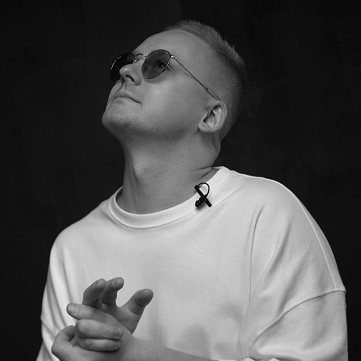
Oleh
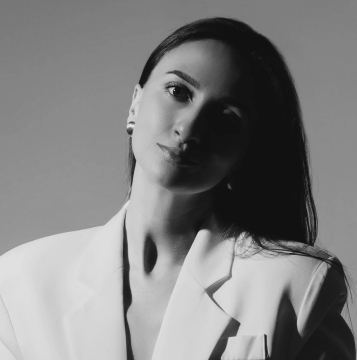
Daniel
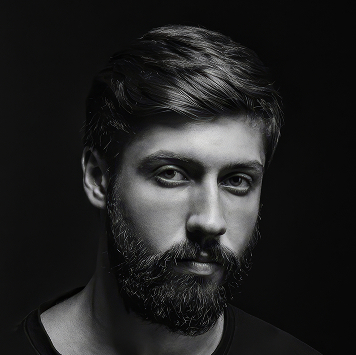
Sefy
Koss
our services
01 Immersive Experience
Unreal Engine Digital Twin
02 marketing renders
Virtual tours
03 films and animations
Flythroughts
04 property brand packaging
Marketing messages
Website design and development
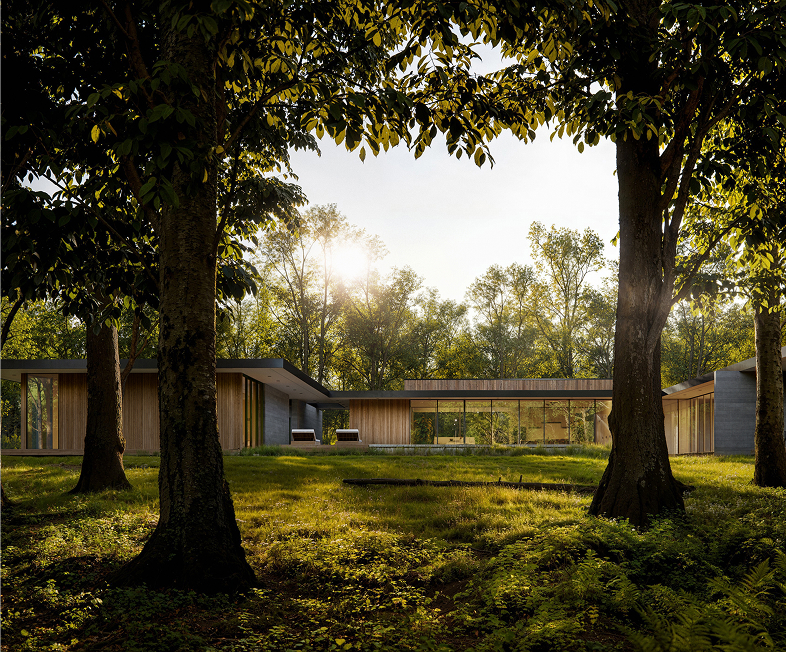
Service areas and Expertise
Trusted by














what people think about us
Jun 13, 2025
Jun 15, 2025
Jun 3, 2025
Jun 21, 2025
I liked working with project manager Anya. She was always in touch and kept me informed about every step on the way. She made it simple for me. Even discussing edits and making changes was smooth and easy because of her clarifications and examples. On top of that, no other studio ever gave me 6 images of a "deeper orange" to choose from, but Anya did and provided the best experience I've ever had with an outsourced architectural visualization studio. They took into account all my wishes and even came up with the ideas.
Oct 20, 2023
I was impressed by how much the images changed after the final integration of people. For me, it turned the renders into real photos of the project and inspired me for several ideas for interior renovation. The integrated people were part of the concept, not just loafing around, they were communicating, working, doing something, and it looked super organic. It was also super cool that there was no payment for each person and the payments didn't distract from the process.
Oct 24, 2023
Not only have we found our go-to visualization team in FORTES, we also feel we have found new friends and colleagues who we trust and who bring their ideas and unique creative vision to the table making the project even better. We look forward to a long relationship with FORTES.VISION and recommend them without reservation to anyone looking for the best talent and skill-set to realize your projects.
STUDIO.BNA architects
Athens, Georgia, USA
Nov 17, 2023
Let’s create your new project together
Built on Clarity
Architecture is not just about form or function. It is about clarity. Clarity of intent. Clarity of communication. Clarity of decisions made long before construction begins. At Fortes Vision, everything we do is built around that idea.
We work in architectural visualization because it solves a real problem. Too many projects fail, stall, or become unnecessarily expensive not because of bad ideas, but because those ideas are poorly communicated. Drawings are precise, but they are not intuitive. Technical plans are accurate, but they do not speak the language of clients, investors, or non-technical stakeholders. Visualization bridges that gap.
Fortes Vision was created to make architectural ideas understandable before they become irreversible.
Where we come from
Our team brings together architectural visualizers, 3D artists, and technical specialists who have worked across residential, commercial, and large-scale development projects. We have collaborated with architects, developers, design studios, real estate teams, and private clients who needed more than attractive images. They needed visuals that explained decisions, reduced uncertainty, and supported real business goals.
We did not start as a marketing studio. We started by solving practical problems.
Projects where approvals took too long.
Presentations where investors struggled to see value.
Designs that looked good on paper but raised questions once construction began.
Those early experiences shaped our approach. Visualization is not decoration. It is a working tool.
What we believe visualization should do
Good visualization does more than look realistic. It should answer questions before they are asked.
A client should immediately understand scale and proportion.
An investor should see how a project fits into its context.
A planning board should clearly grasp intent without long explanations.
A design team should spot issues early, when they are still easy to fix.
We believe that if a visual does not reduce confusion, it has failed its purpose.
That belief guides every project we take on.
How we work with clients
We approach every collaboration as a structured process, not a one-off task. Our goal is to integrate seamlessly into the client’s workflow, whether that is an architectural office, a development team, or a marketing department.
The process always starts with understanding context. We ask questions about the project’s stage, its audience, and its purpose. Is the visualization meant for internal alignment, approvals, sales, or public presentation? The answer determines everything from camera angles to lighting, level of detail, and composition.
We do not apply the same solution to every project. A luxury residential development and a commercial mixed-use project demand different visual strategies. The same applies to early-stage concepts versus final marketing assets.
Clear inputs lead to clear outputs. That is why we emphasize communication early on, before any rendering work begins.
Our approach to realism
Realism is often misunderstood. More detail does not always mean better communication.
In some cases, photorealism is essential. Marketing visuals, sales materials, and investor decks often require a high level of polish to convey quality and credibility. In other situations, overly detailed images can distract from core decisions that still need to be made.
We tailor realism to purpose.
Early-stage visuals prioritize clarity and flexibility.
Mid-stage visuals support decision-making.
Final visuals focus on presentation and perception.
This approach allows our clients to use visualization as a strategic asset rather than a fixed deliverable.
Experience across project types
Over time, we have worked on a wide range of projects, including private residences, multi-unit housing, commercial buildings, hospitality spaces, and public architecture. Each project type comes with its own challenges and expectations.
Residential projects require attention to atmosphere and human scale. Commercial developments demand clarity, consistency, and a strong sense of context. Hospitality and mixed-use spaces rely heavily on storytelling and spatial flow.
By working across these categories, we have developed an understanding of how different audiences interpret visuals and what they need to see in order to trust a project.
That experience allows us to anticipate questions and address them visually before they become obstacles.
Collaboration, not outsourcing
We do not see ourselves as an external vendor that simply delivers files. We act as a visual partner within the project team.
Architects rely on us to translate design intent accurately.
Developers depend on visuals to communicate value.
Design studios use visualization to strengthen their portfolios and attract better clients.
In each case, our role is to support decisions, not override them.
That mindset is why many clients return for long-term collaboration rather than single projects.
Why clients choose Fortes Vision
Clients choose us because we understand both sides of architectural visualization: the technical side and the strategic one.
We know how to build accurate models, control lighting, and refine materials. But we also understand how visuals influence perception, confidence, and decision-making.
As a 3d rendering company, our focus is not on volume or speed at the expense of quality. It is on delivering visuals that serve a purpose and fit naturally into the client’s workflow.
We measure success not by how impressive an image looks in isolation, but by how effectively it supports the project it was created for.
Consistency and reliability
Consistency matters in architectural visualization. A project often requires multiple views, phases, or updates over time. Visual continuity ensures that changes do not create confusion or misalignment.
We maintain structured workflows and internal quality checks to ensure that each image aligns with the broader visual narrative of the project. This approach reduces rework and helps clients move forward with confidence.
Deadlines matter as well. Visualization is often tied to presentations, approvals, or launches that cannot be delayed. We plan schedules realistically and communicate clearly throughout the process.
Beyond still images
While still renderings remain a core part of our work, many projects require more dynamic forms of visualization. Animations, walkthroughs, and interactive visuals provide deeper insight into spatial relationships and user experience.
We treat these formats as extensions of the same philosophy: clarity first. Movement should explain space, not distract from it. Animation should reveal how a design works, not simply showcase technical skill.
Technology as a tool, not a goal
Technology in architectural visualization evolves quickly. New software, engines, and workflows appear every year. We adopt tools that improve accuracy, efficiency, or visual clarity, but we never treat technology as the end goal.
The goal is always communication.
No tool can replace understanding of architecture, context, and audience. Technology supports those elements; it does not define them.
Our role in the project lifecycle
Visualization plays a role at multiple points in a project’s lifecycle. From early feasibility studies to final marketing, visuals help teams make informed decisions and present ideas with confidence.
Our 3d rendering services are designed to adapt to these different stages, providing the right level of detail and polish when it is needed most.
By aligning visuals with project milestones, we help clients reduce uncertainty and move forward with clarity.
Looking ahead
Architecture continues to evolve, shaped by new technologies, sustainability requirements, and changing expectations from clients and communities. Visualization will continue to play a critical role in how ideas are tested, communicated, and approved.
At Fortes Vision, we remain focused on the same principle that guided us from the start: helping people understand architecture before it becomes permanent.
Clear visuals lead to better decisions.
Better decisions lead to stronger projects.
That is the work we are committed to.