What Is Photorealistic Rendering?
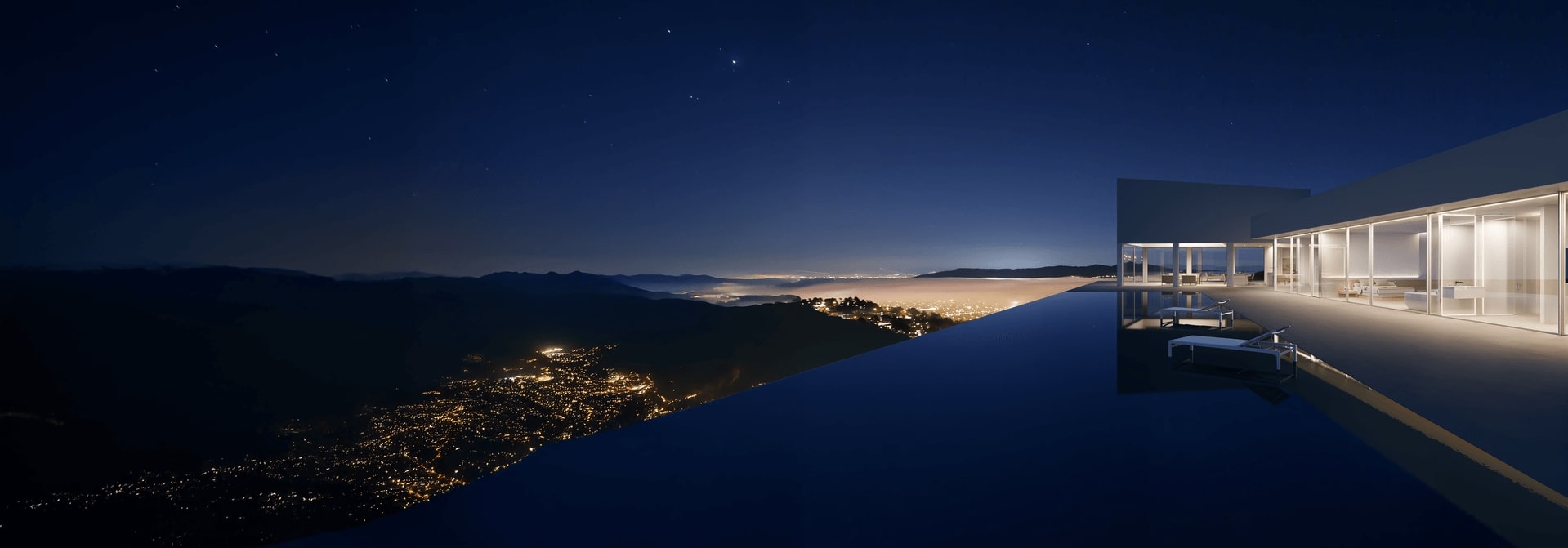
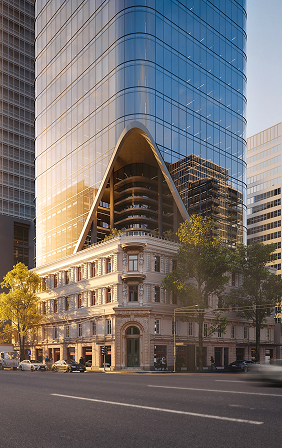
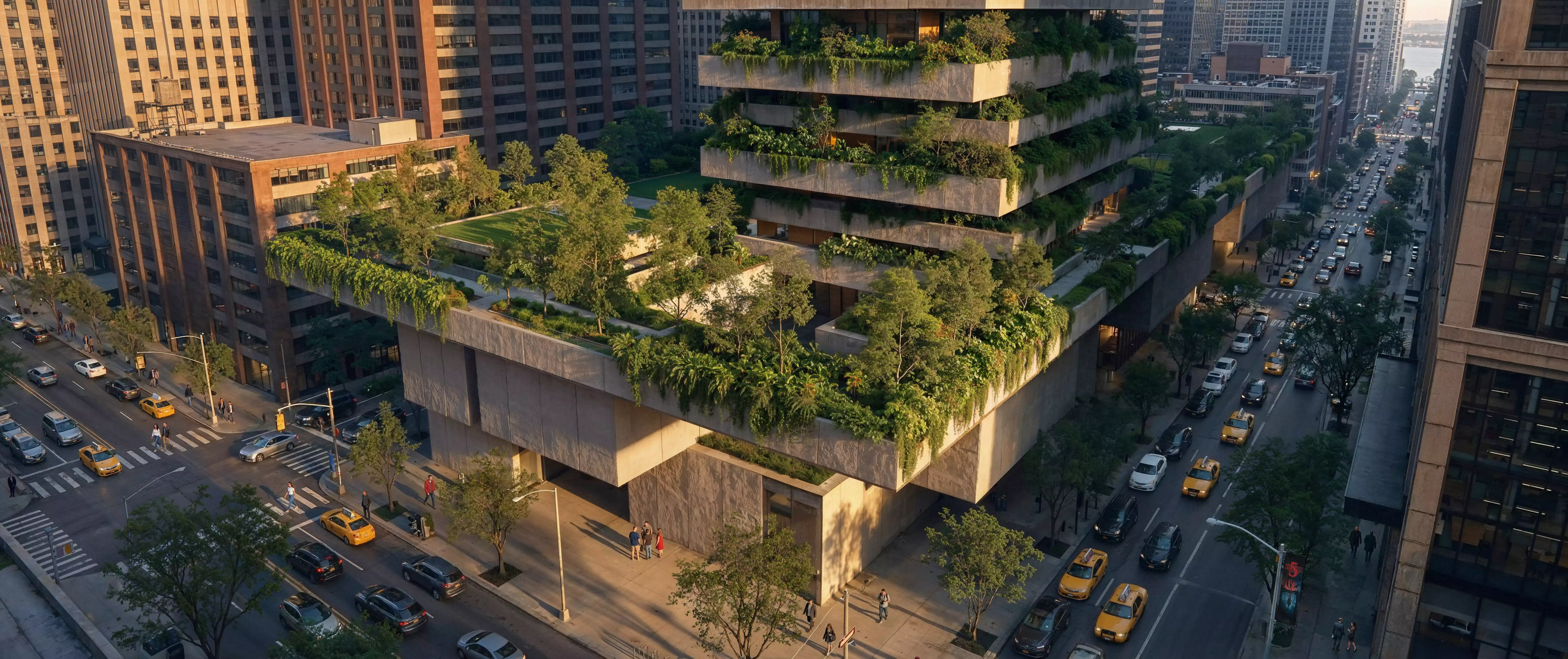
Photorealistic rendering is the process of creating a digital image that looks as close as possible to a real photograph. It uses 3D models, lighting, materials, textures, and camera settings to produce visuals that feel believable, detailed, and natural. If someone asks, what is photorealistic rendering, the short answer is simple: it is a type of CGI rendering designed to make an unbuilt space, product, or concept look real before it exists in the physical world.
This is where people often get confused. Not every 3D image is photorealistic. A basic 3D rendering may show shape, layout, and proportions, but it can still look flat, artificial, or unfinished. Photorealistic rendering goes further. It tries to recreate how surfaces reflect light, how shadows behave, how glass, metal, wood, and fabric actually look, and how a real camera would capture the scene.
That matters because most clients, buyers, and investors do not read plans the way architects, designers, or developers do. They respond to what they can clearly see. In architectural visualization, photorealistic images help people understand design intent faster and with less confusion. The same applies to product presentations and marketing materials. When the image looks real, the idea becomes easier to trust.
For companies that need to present projects clearly and professionally, high-end photorealistic rendering services are often the difference between “this looks interesting” and “now i get it”.
Why Photorealistic Rendering Exists
Photorealistic rendering exists because most people cannot make confident decisions based on drawings, wireframes, or raw 3D models alone. A floor plan may be technically accurate. A massing model may show the right geometry. But neither one helps a non-technical audience feel the space, understand the atmosphere, or see the final result in a way that feels real.
This is one of the biggest problems in architectural visualization. Architects, developers, and design teams may know exactly what they are building, but clients often do not. Investors may struggle to judge the value of a project from technical documentation. Buyers may hesitate because they cannot picture the finished interior or exterior. And internal teams can lose time because expectations are not aligned early enough.
That is where photorealistic rendering becomes practical, not decorative. It solves a communication problem. It turns a concept into something people can evaluate. It helps stakeholders react to design, materials, mood, and overall quality before construction or production starts. It also reduces the gap between what professionals mean and what clients actually understand.
A plain 3D view can show information. A photorealistic image can show intent. That difference affects approvals, sales, presentations, and trust. For studios like Fortes Vision, this is the real value of the work: not just making images look good, but helping people make better decisions faster and with fewer misunderstandings.
What Makes a Rendering Truly Photorealistic
A strong photorealistic rendering does not happen because a scene is detailed or because expensive software was used. It works when the image feels believable at first glance and still holds up when you look closer. That usually comes down to four things: lighting, materials, camera work, and final polish. When one of these areas is weak, even technically correct cgi rendering can look cheap.
Lighting and Shadows
Lighting is usually the first thing that separates average work from realistic 3d rendering. In real life, light is never random. It has direction, intensity, temperature, softness, and interaction with surfaces. If the lighting in a render feels too even, too dramatic without purpose, or disconnected from the space, the viewer notices it immediately, even if they cannot explain why.
Good lighting creates depth and mood. It shows how the room would actually feel during the day or evening. It also makes materials readable. Wood, stone, metal, and glass all respond differently to light, and a photorealistic image needs that behavior to feel natural. Shadows matter too. If they are too sharp, too weak, or inconsistent with the light source, the image starts to feel artificial.
Materials and Textures
Materials are another common failure point. A render can have the right layout and still look wrong because surfaces feel plastic, overly smooth, or repeated in an obvious way. In photorealistic rendering, materials need more than color. They need depth, roughness, reflectivity, imperfection, and scale that match real-world conditions.
This is especially important in architecture and interior work. People know what marble, concrete, oak, brushed metal, or upholstered fabric should look like. If those materials behave incorrectly, trust drops fast. Strong studios do not just “apply textures”. They build material behavior that works under real lighting conditions. That is a big reason why professional photorealistic rendering services tend to produce more convincing results than rushed or low-cost outputs.
Camera and Composition
A realistic image also depends on camera choices. Bad composition can make an otherwise solid render feel awkward or amateur. In real photography, the camera tells the viewer where to look and how to read the scene. The same applies to CGI rendering.
A good camera angle should feel intentional. It should support the purpose of the image, whether that is showing spatial flow, highlighting premium finishes, or presenting the building in context. Lens choice matters too. Extreme wide angles often distort interiors and make rooms feel unrealistic. Poor framing can make proportions look off. Strong composition, by contrast, makes the image easier to understand and more persuasive.
Post-Processing and Details
The final stage is where many renders either become convincing or fall apart. Post-processing should refine the image, not hide its problems. Overdone glow, excessive sharpness, fake sky replacements, or heavy color grading can make a rendering feel less real, not more.
Small details matter here. Slight imperfections, believable reflections, natural contrast, and careful background integration help the image feel finished. But restraint is important. The goal of photorealistic rendering is not to make the image flashy. It is to make it credible.
That is why quality is not just about software or render time. It is about judgment. Teams like Fortes Vision bring value not only through production skill, but through understanding what makes an image believable for real clients, real presentations, and real business goals.
Photorealistic Rendering vs Standard 3D Rendering
A lot of clients assume all 3D images do the same job. They do not. And that is where bad decisions usually start. When people compare 3d rendering vs photorealistic work, they often look only at price. But the more important question is what the image needs to do.
Standard 3D rendering is usually enough when the goal is to show form, layout, scale, or a rough concept. It can help during early design stages, internal reviews, or quick planning discussions. But it often lacks the realism needed to support sales, investor presentations, premium marketing, or client approvals. The image may be technically useful, but it does not always build confidence.
Photorealistic rendering is different because it is built to look believable, not just informative. It helps people understand materials, mood, light, depth, and overall quality. That matters when the viewer is not a designer or architect. Buyers, investors, developers, and end clients usually respond better to visuals that feel close to real photography.
That is also why the cost logic is different. Basic rendering is about showing information fast. Photorealistic rendering takes more skill, more refinement, and more art direction because the image has to support business goals, not just technical review. For brands that need strong presentation value, the better option is usually not the cheapest one. It is the one that makes the project easier to understand, trust, and approve.
Where Photorealistic Rendering Is Used
The value of photorealistic rendering services becomes clear when the image has to do more than just explain a concept. In most cases, it needs to help sell, persuade, or reduce uncertainty. That is why this type of cgi rendering is used across several industries, not just architecture.
Architecture and Real Estate
This is the most obvious use case. In architectural visualization, photorealistic images help developers, architects, and real estate teams show unbuilt projects in a way people can understand right away. That can support pre-sales, investor presentations, planning approvals, and marketing campaigns. Instead of asking someone to imagine the final result, the image shows it clearly.
Product Design
Product teams also use photorealistic rendering to present items before manufacturing, photography, or launch. This is useful for prototypes, packaging concepts, product pages, catalogs, and investor decks. It saves time and helps teams test how a product should look in different settings before committing to production.
Marketing and Advertising
In advertising, visuals need control. Lighting, composition, materials, and background all need to serve a message. Cgi rendering gives brands that control. It allows teams to create campaign-ready visuals without waiting for a physical product, location, or photo shoot. That can be especially useful for launch materials, paid ads, landing pages, and printed collateral.
Interior Design
Interior designers use photorealistic rendering services to show how a room will actually feel, not just how it is arranged. That helps clients review finishes, furniture choices, lighting direction, and atmosphere before decisions are finalized. It also reduces revisions because expectations become clearer earlier in the process.
For many companies, the real question is not whether this work looks nice. It is whether clearer visuals can help move a project forward. In most cases, they can. And when the stakes are high, strong execution matters. That is where an experienced team like Fortes Vision has a clear advantage.
How Photorealistic Rendering Is Created
For clients, the process can seem more complex than it really is. But the basic cgi rendering process is straightforward when handled by an experienced team. The goal is not to overwhelm the client with technical steps. The goal is to turn plans, references, or design ideas into a final image that looks real and supports a clear business purpose.
3D Modeling
The process starts with building the scene in 3D. This may be based on CAD files, architectural drawings, sketches, product references, or mood boards. At this stage, accuracy matters. If proportions, geometry, or layout are wrong, no amount of polish later will fix the image.
Texturing and Materials
Next comes surface definition. Materials are assigned to walls, floors, glass, metals, fabrics, wood, and other elements. This is a critical part of photorealistic rendering because the image starts to gain realism only when materials behave like they do in real life. Good studios pay attention to scale, reflections, roughness, and natural variation.
Lighting Setup
Then the scene is lit. This can include daylight, artificial fixtures, ambient conditions, and environmental reflections. Lighting shapes the mood of the image and helps the viewer understand form, depth, and atmosphere. In practice, this step often determines whether the result feels believable or generic.
Rendering and Post-Production
Once the scene is ready, the image is rendered and then refined in post-production. This final stage improves contrast, balance, realism, and overall clarity. The best results do not rely on heavy editing. They rely on strong work throughout the full cgi rendering process.
For clients, this matters because it shows what is actually included in the service. A professional workflow is not just about making something look attractive. It is about building a reliable process that leads to accurate, persuasive visuals. That is one of the reasons companies choose Fortes Vision when they need photorealistic rendering that supports real decisions, not just pretty images.
Common Mistakes in Photorealistic Rendering
A lot of projects fail not because the idea is weak, but because the image does not feel real enough to support it. Poor photorealistic rendering quality usually shows up in predictable ways. And once you know what to look for, it becomes much easier to spot bad cgi rendering before it hurts your presentation, sales process, or client trust.
One common problem is materials that look too smooth or artificial. Wood looks flat. Stone looks repeated. Metal feels fake. Glass has no depth. People may not use technical language to describe it, but they notice when surfaces look plastic. Another issue is unrealistic lighting. If shadows fall the wrong way, interiors glow unnaturally, or the scene feels overlit, the image stops feeling believable.
Perspective is another weak point. A poor camera angle can distort rooms, stretch proportions, and make an otherwise strong design look awkward. Then there is over-editing. Too much contrast, too much glow, or excessive color grading often makes a render look less professional, not more.
This matters when choosing a vendor. You are not just buying an image. You are trusting someone to represent your project accurately. That is why Fortes Vision focuses on controlled realism, not visual tricks.
Benefits of Photorealistic Rendering for Business
A lot of companies ask the same question: is it really worth paying for professional photorealistic rendering services? In many cases, yes. And the reason is simple. Strong visuals do more than make a project look good. They help move decisions forward.
One of the biggest architectural visualization benefits is speed. When a client, buyer, or investor can clearly see the final result, they usually understand the value faster. That can shorten sales cycles and reduce back-and-forth explanations. Instead of asking people to interpret plans or imagine the space, you show them what matters.
Photorealistic visuals also improve presentations. Whether the goal is to pitch a development, market a property, present an interior concept, or support a product launch, clearer imagery creates stronger communication. It helps the audience focus on the project itself instead of struggling to decode technical information.
There is also a practical benefit during the design process. Better visuals often lead to fewer misunderstandings and fewer revisions later. And when the image feels accurate and credible, trust goes up. That trust matters in real estate, architecture, product marketing, and any other field where presentation affects money.
That is where Fortes Vision adds value. The work is not just about image quality. It is about business clarity.
When You Should Consider Professional Services
Not every project needs outside help. But there are clear moments when photorealistic rendering services make more sense than trying to handle everything in-house or relying on basic visuals. The question is not only whether you can produce an image. It is whether that image is strong enough to support the decision in front of you.
You should seriously consider outsource rendering when the visuals will be used for investor presentations, real estate sales, marketing campaigns, launch materials, or high-stakes client approvals. In those cases, weak rendering can create confusion, lower trust, and make the project look less valuable than it actually is.
Professional support also matters when timelines are tight, internal resources are limited, or the team needs a polished result that matches brand and market expectations. That is especially true in U.S. markets, where presentation standards are high and buyers often compare multiple options quickly.
If the image needs to persuade, not just explain, professional help is usually the safer choice. That is why many teams turn to Fortes Vision for photorealistic rendering services. The goal is not just to get a render done. It is to get visuals that help the project move forward with more confidence.
Related Topics You Should Explore
If you want a clearer picture of how photorealistic rendering fits into a broader workflow, it helps to look at a few related areas. Each one answers a different practical question.
If your focus is architecture, start with CGI Rendering in Architecture. It explains how cgi rendering supports planning, marketing, and sales in real projects. If you are comparing tools or thinking about in-house production, Rendering Software gives context on what different engines can and cannot do. And if you are still deciding what level of output you need, Types of Rendering Services breaks down the differences between basic, mid-level, and high-end work.
You can also review What Is Photorealistic Rendering as a supporting piece to reinforce the fundamentals. Together, these topics build a more complete view of architectural visualization and help you make better decisions before investing in production.
Why Photorealistic Rendering Is Becoming Standard
The expectation has changed. Clients, buyers, and investors no longer accept rough visuals when better ones are available. In many cases, photorealistic rendering is no longer a premium add-on. It is part of the baseline for serious projects.
This shift is not about trends. It is about clarity. When visuals look real, people understand faster, trust more, and make decisions with less hesitation. That is why more companies are moving toward professional photorealistic rendering services, especially in competitive markets like the U.S.
But the result depends on execution. Not all rendering delivers the same value. If the goal is to present a project clearly, reduce friction, and support real business outcomes, the quality of the work matters.
That is where Fortes Vision comes in. The focus is not just on creating images, but on producing visuals that help projects move forward with confidence.
Your Journey | to Marketing Renders | That Bring Out | The Best in Your | Project
Read Our Whitepaper