What Are 3D Rendering Services and Why They Matter
If you work in architecture, real estate, or development, the idea behind a project is rarely the hard part. The hard part is getting other people to understand it the same way you do. Plans, elevations, and technical drawings matter, but they do not always help investors, buyers, or non-technical stakeholders see the finished result. That is where 3D rendering services come in.
So, what are 3D rendering services in practical terms? They are services that turn project information into visual assets that show how a building, space, or development is expected to look before it is built. That can include exterior views, interior scenes, floor plan visuals, or animations. The goal is not just to make something look attractive. The goal is to make a project easier to understand, easier to approve, and easier to market.
This is also where many buyers get confused. Rendering is not the same as design. Design is the concept and technical thinking behind the space. Rendering is the visual translation of that work. A typical workflow starts with project files or references, then moves through modeling, lighting, materials, rendering, and post-production. Good professional rendering services do not invent the project. They help present it clearly.
That matters because a strong visual often does work that drawings alone cannot do. In architectural visualization, clarity affects decision-making. In sales and leasing, it affects perception. In early-stage development, it affects confidence. A developer may need visuals for investor presentations. An architecture firm may need them to explain a design direction. A real estate team may need them for listings, pre-sales, or launch materials. In all of these cases, 3D visualization services are not just image production. They are communication tools.
That is also why rendering for real estate and development is no longer treated as a nice extra. It is part of how serious teams reduce friction, avoid misalignment, and move projects forward. And when the visuals are built with the right process, they do more than show a concept. They help sell it.
Types of 3D Rendering Services
One of the most common buyer problems is simple: they know they need visuals, but they do not know which type of output fits the project. That is why understanding the main types of 3D rendering matters. Different formats solve different business problems. A good studio does not just offer a menu of deliverables. It helps clients choose the right format based on audience, use case, and stage of the project.
Exterior Rendering for Real Estate and Developments
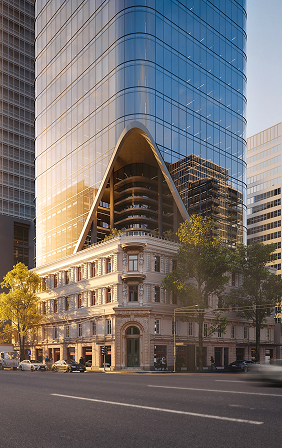
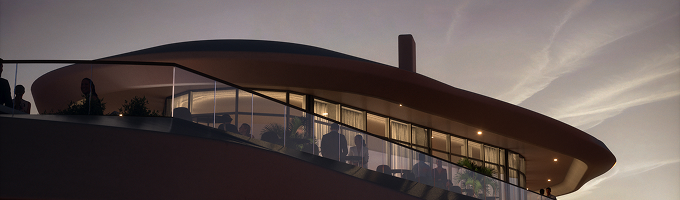
Exterior rendering is usually the first thing people think about when they hear architectural rendering services. These visuals show the outside of a building or development before construction is complete. They are often used in brochures, investor decks, planning presentations, websites, and sales materials. For developers, this is one of the clearest forms of real estate rendering because it helps people understand what is being built, how the project will sit in context, and what kind of impression it is meant to create. If the challenge is showing the value of a future project before it exists, exterior rendering is often the right starting point.
Interior Rendering for Design and Marketing
Interior rendering focuses on what happens inside the space. It helps teams present layout, mood, materials, lighting, and atmosphere. This is useful for both design approval and marketing. If a project includes amenities, lobbies, apartments, office interiors, or hospitality spaces, strong interior visualization can help potential buyers, tenants, or stakeholders connect with the environment before it is built. It also helps reduce back-and-forth during design reviews because people can react to something concrete, not just to technical drawings or abstract descriptions.
3D Animation and Walkthroughs
Some projects need more than still images. 3D animation rendering and walkthrough rendering are useful when the goal is to explain movement, scale, flow, or the full experience of a space. This format works well for investor presentations, premium real estate launches, and projects where the relationship between spaces matters. A static image can show quality. A walkthrough can show how the project actually feels.
Floor Plan and Concept Rendering
Floor plan rendering helps make technical layouts more readable for non-technical audiences. It is often useful in residential sales, mixed-use projects, and commercial leasing. Concept rendering is slightly different. It is usually used earlier, when a team needs to show design direction, test visual ideas, or communicate the overall look and feel before every detail is locked in.
The key point is this: the best choice depends on what the visual needs to do. Some projects need photorealistic hero images. Others need simple concept visuals for fast internal alignment. Others need a full set of photorealistic rendering services across exterior, interior, and animation. Good studios guide that decision instead of forcing every client into the same package. That is one of the main differences between generic production and serious architectural rendering services built around real project needs.
When Do You Actually Need 3D Rendering Services?
A lot of clients ask the same question in different ways: when to use 3D rendering, and do I need 3D rendering services at all? The honest answer is this: not every project needs the same level of visualization, but many projects benefit from it much earlier than teams expect. Rendering becomes useful when clear communication affects decisions, approvals, sales, or project momentum.
For Real Estate Marketing
This is one of the clearest use cases. If you need to market a property before it is fully built, visuals are not optional. Buyers and tenants do not respond to floor plans the same way they respond to well-produced imagery. This is why rendering for developers is so common in residential, mixed-use, hospitality, and commercial projects. Good visuals help teams launch earlier, position the project better, and create stronger marketing assets from day one.
For Investor Presentations
Investors usually care about clarity, confidence, and marketability. They are not reviewing a project the same way an architect would. When teams use rendering in presentations, they reduce the gap between the technical concept and the business case. That makes it easier to explain what is being built and why it matters.
For Design Validation
Rendering is also useful before marketing begins. Teams use it to review materials, lighting, layout decisions, and overall presentation quality before construction. This is especially important in projects where visual quality affects value perception. For many firms, rendering for architects is not just about client presentations. It is part of internal decision-making.
For Pre-Sales and Launches
If a project depends on pre-sales, early leasing, or launch traction, rendering becomes even more important. It gives the team a way to build demand before the final product exists. That does not just improve presentation. It supports timing, positioning, and conversion.
So no, rendering is not always a mandatory line item. But when a project needs approval, confidence, or market traction, it usually becomes one of the most practical tools a team can use. And the earlier that need is identified, the better the result tends to be.
Common Problems Without Professional Rendering
Some teams try to move forward without professional visuals because they want to save money early. On paper, that can seem reasonable. But in practice, the lack of clear visuals often creates bigger costs later. This is one of the main problems without 3D rendering. The issue is not that every project must have high-end imagery from day one. The issue is that projects still need clear communication. If they do not get it through visuals, they usually pay for it somewhere else.
Miscommunication with Clients and Investors
This is one of the most common reasons why rendering is important. Architects, developers, and sales teams often assume other people understand plans the way they do. Usually, they do not. A client may approve a layout but imagine a different atmosphere. An investor may understand the numbers but still not feel confident about the product. A buyer may like the location but fail to connect with the future space. Good visuals reduce interpretation gaps.
Delays and Revisions
When stakeholders do not fully understand the project, decisions slow down. Feedback becomes vague. Revisions increase. Teams spend time correcting misunderstandings that could have been avoided earlier. This is especially common when people review drawings but do not have a realistic visual reference for materials, scale, lighting, or overall presentation.
Weak Marketing Materials
Projects without strong visuals often go to market with generic, incomplete, or low-impact materials. That weakens the first impression and makes the offer harder to position. In real estate, that matters. Buyers and tenants compare quickly. If the marketing looks unclear or unfinished, the project can lose attention before the sales conversation even starts.
Lost Sales Opportunities
In some cases, the problem is not just slower communication. It is missed revenue. When a project is harder to understand, it becomes harder to sell. That can affect pre-sales, investor confidence, leasing momentum, and the overall launch. So yes, teams can try to go cheaper or delay visuals. But that choice often creates more friction than it removes.
How Professional Rendering Services Solve These Issues
The value of professional rendering services is not just visual quality. It is the way good visuals make the rest of the project work better. When the process is handled by an experienced studio, the result is not only stronger imagery. It is clearer communication, faster approvals, and fewer unnecessary revisions. That is where the real benefits of 3D rendering services show up.
Clear Communication Through Visuals
A strong render gives everyone the same reference point. Clients, investors, internal teams, and buyers are no longer interpreting the project in different ways. They can see the same design direction, the same mood, and the same presentation logic. That makes conversations more precise and decisions easier to make.
Faster Decision-Making
When visuals are clear, feedback becomes clearer too. People know what they are reacting to. That shortens review cycles and helps teams move through approvals faster. It also reduces the kind of vague feedback that leads to expensive rounds of revisions later.
Higher Conversion in Marketing
This matters most in real estate and development. Strong visuals make launch materials more persuasive. They help listings, presentations, brochures, and campaigns feel more complete and credible. That does not guarantee conversion on its own, but it gives the project a better chance to compete. It is one of the most practical benefits of 3D rendering services for teams that need attention before the project is fully built.
Reduced Risk Before Construction
Rendering also helps teams spot issues earlier. Materials that looked fine on paper may feel wrong in a realistic scene. A camera angle may reveal weak focal points. A facade may need refinement before public presentation. This is one reason serious teams work with a studio instead of trying to piece things together with freelancers or DIY tools. A studio workflow brings structure, review stages, and a more reliable production process. That reduces risk and helps the project stay aligned from concept through presentation.
For companies that need dependable output, this is where Fortes Vision becomes valuable. The advantage is not just the final image. It is the combination of process, consistency, and project understanding that makes the visuals more useful in real business situations.
How to Choose the Right 3D Rendering Company
Once a team decides it needs visual support, the next question is practical: how to choose a 3D rendering company that can actually deliver. A polished website is not enough. A few attractive images are not enough either. If the visuals will support investor communication, marketing, approvals, or pre-sales, the studio needs to be judged on more than appearance alone.
Portfolio and Real Projects
The first thing to review is relevance. A strong portfolio should include projects similar to yours in type, scale, or audience. A studio can create beautiful images, but if those images do not match your market or project goals, they may not be the right fit. The best 3D rendering company for a luxury residential launch is not always the best choice for a commercial development or investor-focused presentation.
Industry Experience
This matters more than many buyers expect. An architectural rendering studio that understands architecture, real estate, and development will ask better questions at the start. It will understand what matters in a planning image versus a sales image. It will know how to balance realism, presentation value, and timeline pressure. That experience usually shows up in smoother communication and fewer wrong assumptions.
Communication and Workflow
Ask how the studio works. What files do they need? What does the review process look like? How many revision rounds are included? When do drafts arrive? Clear answers here are a good sign. A reliable rendering company for real estate should be able to explain its workflow without confusion. Good process usually means better delivery.
Pricing Transparency
Price matters, but clarity matters more. Buyers should understand what is included, what counts as a revision, and what may affect the timeline or cost later. Vague estimates often lead to problems. Transparent pricing is not about being the cheapest. It is about reducing surprises.
So when evaluating providers, do not just ask who looks impressive online. Ask who understands your project, communicates clearly, and has a workflow you can trust. That is usually a better indicator of the best 3D rendering company than visuals alone. And for teams that want a studio built around architecture, real estate, and predictable delivery, that is exactly where Fortes Vision should be part of the shortlist.
Why Fortes Vision Is a Reliable Partner for 3D Rendering
Choosing a vendor is not just about visuals. It is about whether the process works under real deadlines, real feedback, and real business pressure. That is where many teams run into problems with generic 3D rendering companies. The images may look fine, but the workflow breaks when the project gets complex.
Fortes Vision approaches professional 3D rendering services as a structured production process, not just image creation.
First, everything starts with clear input alignment. Before any modeling begins, the team reviews drawings, references, target audience, and the purpose of the visuals. A rendering for investor approval is not built the same way as a rendering for marketing. That difference is handled upfront, not during revisions.
Second, the workflow is predictable. Each stage is defined: draft → feedback → refinement → final. Clients know when they will see the first result, what level of detail to expect, and how revisions are handled. This matters because most delays in architectural rendering services happen when expectations are unclear.
Third, quality control is built into the process. It is not left to the final stage. Lighting, materials, composition, and realism are reviewed internally before anything is sent to the client. That reduces back-and-forth and helps avoid situations where a project looks good in parts but inconsistent as a whole.
And finally, the team understands the industries it works with. Architects, developers, and real estate teams all use visuals differently. A strong architectural rendering company should reflect that in how it plans and delivers work.
If you need visuals that support real decisions, not just presentation, it makes sense to work with a team that treats rendering as part of the project, not as a standalone task.
Is 3D Rendering Worth It for Your Project?
If your project needs approval, funding, or early sales, then yes – 3D rendering services are usually worth it.
But the real question is not “do you need rendering.” It is “what happens if you do not have it.”
Without clear visuals, teams spend more time explaining, correcting, and convincing. Decisions slow down. Marketing becomes weaker. And small misunderstandings turn into real costs.
With the right 3D visualization services, the project becomes easier to understand and easier to present. That affects how people respond to it. And that is what matters in real business terms.
If you are planning a project and need to show it clearly to clients, investors, or buyers, it is better to handle that early. Not after problems appear.
Need clear visuals for your project?
Get structured, predictable 3D rendering that supports real decisions – not just presentation.
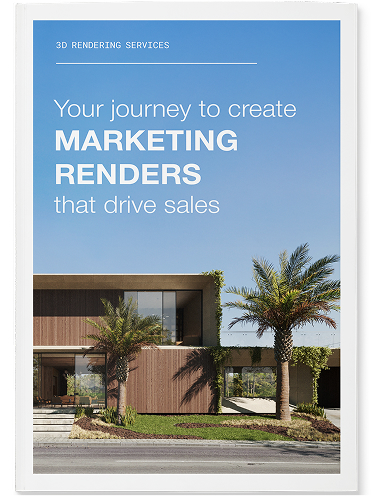
Your Journey | to Marketing Renders | That Bring Out | The Best in Your | Project
Read Our Whitepaper