Why 3D Rendering Services Are Essential in Modern Architecture
In architecture and real estate, good ideas do not sell themselves. They have to be understood fast, by people with very different levels of technical knowledge. An architect may read plans in minutes. A developer may focus on feasibility and timing. An investor may care about confidence, demand, and risk. A buyer usually wants to see what the finished project will actually feel like. That is where 3D rendering services become useful.
Today, high-quality visuals are not just presentation extras. They are part of how projects move forward. Teams use professional rendering services to explain design intent, reduce confusion, and make decisions earlier. Instead of asking stakeholders to interpret floor plans, elevations, or unfinished models, they show a clear visual version of the project. That saves time. It also reduces the chance that people approve one thing while imagining something else.
This matters even more in U.S. real estate and development, where projects often depend on approvals, investor communication, pre-sales, and marketing momentum. A strong render can help a team present a residential development, validate exterior materials, test a design direction, or prepare visuals for a launch campaign. For many architecture firms and developers, architectural visualization is no longer optional. It is part of the working process.
At Fortes Vision, this is exactly how we approach 3D rendering services. The goal is not just to make an image look attractive. The goal is to create visuals that help architects, developers, and real estate teams present projects with more clarity, align stakeholders faster, and reduce costly revisions before construction or sales begin.
What Are 3D Rendering Services?
3D rendering services are the process of turning project information into realistic visual images before a space is built. That project information may come from CAD drawings, BIM models, sketches, reference images, mood boards, material notes, or a mix of all of them. The end result is a visual that shows how a building or space is expected to look in real conditions, with lighting, materials, scale, depth, and atmosphere.
This is where people often get confused. Rendering is not the same as modeling, and it is not exactly the same as visualization either.
3D modeling is the construction of the digital object or environment itself. It is the technical base.
Rendering is the stage where that model is turned into a finished image using lighting, textures, materials, camera angles, and post-production.
Visualization is the broader communication outcome. It can include still renders, animations, virtual tours, floor plans, and other visual tools used to explain the project.
So when clients look for rendering services or architectural rendering services, they are usually not buying only “a picture.” They are buying a process that translates technical design information into something decision-makers can understand quickly.
In practice, that process usually includes a brief, file review, scene preparation, camera selection, material setup, lighting, draft output, revisions, and final delivery. Some projects require only one exterior image for a presentation. Others need a full package of 3D visualization services across several project stages, from concept validation to marketing launch.
The reason this matters is simple: drawings can communicate dimensions, but they often fail to communicate experience. A good render shows what the project looks like, how materials work together, how natural or artificial light behaves, and how the space reads to a non-technical audience. That is why developers, architects, and marketing teams use rendering long before construction is complete. It turns abstract design into a decision-ready visual asset.
At Fortes Vision, the service is built around that principle. The work is positioned not as generic content production, but as a structured communication tool that supports approvals, investor presentations, marketing, and stakeholder alignment. That framing is important because it matches how strong studios in this space compete: not just on aesthetics, but on business value, process clarity, and predictable delivery.
Why Businesses Use 3D Rendering Services
Companies invest in professional rendering services because they need more than attractive images. They need clarity. In many projects, the real problem is not design quality. It is communication. A project can stall because investors do not fully understand the concept, because a client interprets plans differently than the architect intended, or because a marketing team does not have visual assets strong enough to generate demand before completion.
Presenting Projects to Investors
Investor communication is one of the clearest use cases for 3D rendering services. Financial stakeholders do not want to decode drawings. They want to understand the opportunity, the product, and the vision with as little friction as possible. A well-made render helps show scale, positioning, design quality, and market appeal in a way that is immediate. That matters in fundraising decks, development presentations, and pre-construction sales discussions.
For developers, this also reduces internal friction. Teams can present a clearer story to partners, lenders, and stakeholders when the visual material supports the business case. Instead of explaining the design in abstract terms, they can show how the project is meant to look and feel. That shortens the gap between concept and confidence.
Real Estate Marketing
This is another major reason businesses use 3D rendering services. In real estate, marketing often starts before the final product exists. Sales teams need images for websites, brochures, investor packages, social media, paid campaigns, and launch materials. Without strong visuals, the project enters the market with less impact.
This is where real estate rendering becomes a practical business tool. Good visuals help future buyers or tenants understand the product earlier. They create a stronger first impression, support premium positioning, and make it easier for non-technical audiences to connect with the space. For developers and brokers, that means better marketing readiness. For in-house teams, it means fewer delays waiting for usable visuals. And for projects that depend on pre-sales, that can directly affect momentum.
Design Validation Before Construction
Rendering is also useful long before a project reaches marketing. Many teams use architectural visualization services to validate design decisions before construction starts. This helps reveal issues that are harder to catch in flat drawings alone, such as awkward material combinations, weak focal points, poor lighting logic, or details that do not support the intended mood of the project.
That has practical value. When teams identify design concerns earlier, they reduce the risk of late revisions, change orders, and misalignment between stakeholders. Architects spend less time repeatedly explaining the same intent. Developers can review options with more confidence. Clients see the same direction the design team sees.
This is one reason strong studios talk so much about process, revisions, and workflow. Fortes Vision does the same on its services page, where the positioning is tied to approvals, investor communication, marketing performance, predictable revisions, and stakeholder alignment. Competitors in this space also lean on the same decision-making value, whether they frame it around faster turnarounds, outsourcing ease, pricing transparency, or better communication for architects and developers. The common pattern is clear: businesses use rendering because it helps them move projects forward with less uncertainty.
Who Uses 3D Rendering Services
Different teams use 3D rendering services for different reasons. That is why strong studios do not treat every project the same way. The same image style, level of detail, or delivery format will not work equally well for an architect, a developer, an interior designer, and a marketing team. Good architectural visualization services start with understanding who will use the visuals and what decision those visuals need to support.
Architects
Architects use rendering services for architects to communicate design intent more clearly. Plans, sections, and elevations are essential, but they do not always show how a space will feel once materials, lighting, and scale come together. Renders help architects present ideas to clients, design boards, and internal teams without relying only on technical drawings.
Real Estate Developers
Developers use rendering services to move projects forward. They need visuals for investor presentations, approvals, pre-sales, and launch campaigns. For them, rendering is not just about design. It is about reducing uncertainty and helping other people understand the value of the project faster.
Interior Designers
Interior designers use renders to test mood, finishes, furniture layouts, and lighting choices before execution. This makes design reviews more practical. It also helps clients approve a direction with fewer misunderstandings.
Marketing Agencies
Marketing teams and agencies use visuals to build campaigns around projects that are still under development. They need assets that look polished, consistent, and market-ready. A reliable visualization studio helps them create materials that work across websites, brochures, presentations, and paid ads.
This range of use cases matters because it shows what clients are really paying for. They are not just buying images. They are buying clearer communication, fewer revisions, and a smoother path from concept to decision. That is also why companies that need rendering services for architects or developers usually get better results from a studio that understands business context, not just software.
Types of 3D Rendering Services
One reason buyers get stuck is simple: they know they need visuals, but they are not sure what type of output fits the project. The term architectural rendering services covers several formats, and each one solves a different problem. Understanding the main types of 3D rendering services helps clients choose the right scope from the start and avoid paying for the wrong deliverables.
Exterior Rendering
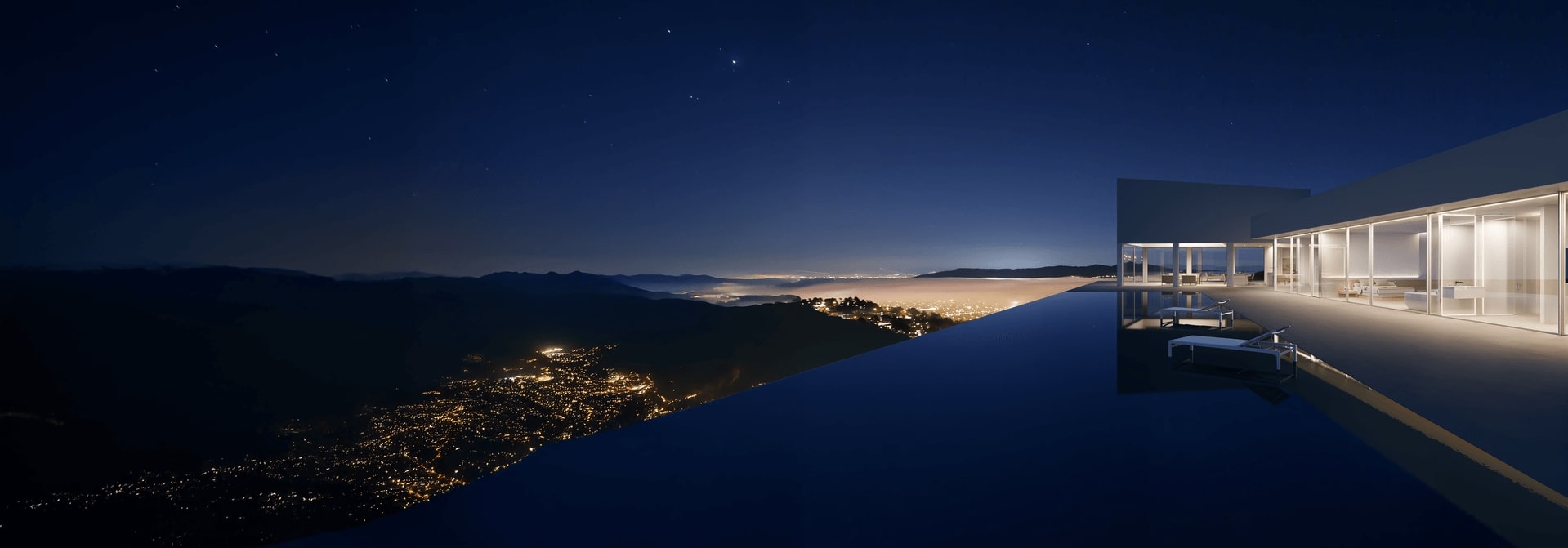
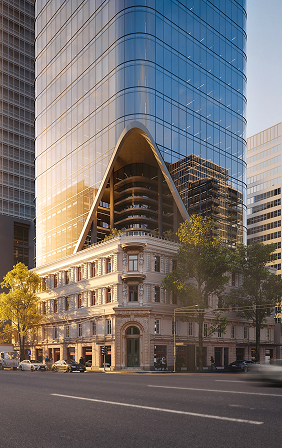
Exterior rendering is used to show the outside of a building or development. This often includes facade materials, landscaping, streetscape context, lighting conditions, and the overall look of the property. It is common in real estate marketing, investor presentations, and planning submissions because it helps people see how the project will sit in the real world.
Interior Rendering
Interior rendering focuses on inside spaces. That may include residential rooms, office areas, hospitality environments, retail interiors, or amenities in a new development. Interior visuals are often used to review finishes, furniture layouts, atmosphere, and the practical feel of a space before construction is complete.
3D Animation
Animation rendering is useful when still images are not enough. A fly-through or walkthrough can show circulation, sequencing, and the overall experience of moving through a project. This format is often used when a team needs a more dynamic presentation for investors, sales teams, or public-facing marketing.
Floor Plan Rendering
Floor plan rendering turns a flat technical plan into a more readable visual asset. It helps buyers, tenants, and non-technical stakeholders understand layout relationships faster. This is especially useful in residential and mixed-use marketing, where clarity matters more than technical detail.
The right choice depends on the goal. Some projects need one strong exterior hero shot. Others need a full package across multiple formats. A good studio will explain that early and align scope with business use, not just produce whatever the client asks for. That is one of the practical differences between generic production and professional architectural rendering services built around real project needs.
How the 3D Rendering Process Works
A lot of project issues happen because clients do not fully understand the rendering process before work starts. They may expect final-quality images too early, assume revisions are unlimited, or think a few reference files are enough to define the full result. A clear architectural rendering workflow fixes that. It gives the client a realistic view of what happens, what is needed from their side, and where quality really comes from.
Project Brief
The process starts with the brief. This is where the studio defines the project type, goals, audience, scope, style direction, and required deliverables. Good briefs also cover deadlines, reference images, camera priorities, and the intended use of the visuals. If the visuals are for investor presentations, the approach may differ from visuals built for luxury real estate marketing.
3D Modeling
Next comes modeling or model preparation. Sometimes the client provides usable CAD or BIM files. Sometimes the studio has to clean, rebuild, or complete missing parts of the scene. This step matters because weak source files often create delays later in the visualization pipeline.
Lighting and Materials
Once the scene is structured, the studio develops materials, textures, lighting logic, and environmental details. This is where the image starts to feel believable. Material realism, correct scale, and lighting consistency often make the difference between an average render and a convincing one.
Rendering
Then the scene is rendered. This is the technical image-generation phase, where the prepared scene is processed into draft or final visuals. At this stage, camera composition, atmosphere, and detail quality become more visible. Some projects also include post-production to refine color, contrast, and realism.
Revisions and Delivery
After draft review, the client provides feedback. This is where a strong rendering production workflow becomes important. Clear revision rounds keep the process efficient and prevent confusion about what is a normal edit versus a scope change. Once revisions are approved, the studio delivers final files in the agreed formats and resolutions.
For clients, the big takeaway is simple: rendering quality is not random. It comes from process. The more structured the workflow, the fewer surprises there are around timing, pricing, and output quality. That is also why experienced firms such as Fortes Vision put so much emphasis on clarity, production logic, and revision management. It protects both the image quality and the business side of the project.
Photorealistic Rendering and CGI in Architecture
Clients often use these terms as if they mean the same thing. But they are not exactly the same. That confusion can create bad expectations at the start of a project, especially when a team asks for “CGI” but is really looking for a specific level of realism, mood, or marketing impact.
CGI rendering services is the broader category. CGI stands for computer-generated imagery. In architecture, that includes still images, animations, motion work, and other digital visuals created from a 3D scene. Photorealistic rendering services are a specific type of CGI work focused on making the final image look as close to real life as possible. The goal is not just to show the design. It is to make materials, lighting, reflections, shadows, and atmosphere feel believable.
That distinction matters. A project may need a clean conceptual image for internal review, or it may need full photorealistic visualization for investor presentations, luxury real estate marketing, or high-end sales materials. Those are different outputs. They require different levels of detail, different production time, and different expectations around post-production and revision.
In practice, good architectural CGI depends on more than software. It depends on scene structure, accurate material logic, realistic lighting, camera composition, and restraint. Overdone effects often make an image look less credible, not more. Strong studios know when to push realism and when to keep the visual clean and controlled.
That is why experienced clients usually look beyond the label. They do not just ask whether a studio offers CGI. They ask whether the team can produce the right kind of visual for the project’s actual goal. At Fortes Vision, that distinction matters because the work is built around use case, audience, and decision-making value, not just image polish.
How to Choose the Right 3D Rendering Studio
Choosing a rendering studio is not just about finding the best-looking portfolio image. A studio can have a few strong visuals on its site and still be hard to work with in a real production setting. For developers, architects, and real estate teams, the better question is this: can this team deliver consistent work, on time, with a clear process and predictable revisions? That is what separates a serious partner from a risky vendor.
Portfolio Quality
Start with relevance, not just beauty. A good portfolio should show project types close to yours. If you work in multifamily development, hospitality, commercial architecture, or interiors, the studio should be able to show similar work. Look for consistency across multiple images, not one hero shot. Strong professional rendering services are repeatable. They are not based on one lucky example.
Experience in Your Industry
A 3D rendering company that understands your type of project will ask better questions and make fewer wrong assumptions. That matters in architecture and real estate, where different sectors have different priorities. A luxury residential campaign, a planning presentation, and an office development pitch do not need the same visual treatment. An experienced architectural visualization studio will understand that before production starts.
Production Workflow
Ask how the team works. What files do they need? How do they handle missing information? When do they send drafts? What does the approval process look like? This is one of the easiest ways to spot whether a studio is structured or improvising. Strong teams can explain their workflow clearly. That usually means smoother production and fewer surprises.
Revision Policy
Revision terms matter more than many buyers expect. You need to know what is included, what counts as a standard revision, and what becomes a scope change. Without that, a project can drift, deadlines can slip, and pricing can stop making sense. A clear revision policy protects both sides.
In the end, the right choice is rarely the cheapest or the most visually flashy option. It is the team that combines quality, relevant experience, communication, and process. That is also why companies that plan to hire a 3D rendering company often get better results from a studio built for ongoing collaboration, not just one-off image delivery.
Common Mistakes When Ordering Rendering Services
A lot of problems in rendering services do not happen because the studio lacks skill. They happen because the project starts with weak inputs, vague expectations, or the wrong buying criteria. That is why many failed projects follow the same pattern. The mistakes are predictable, and most of them can be avoided early.
Poor Reference Materials
If the source files are incomplete, outdated, or inconsistent, the studio has to guess. That usually leads to extra revisions, timeline issues, or results that do not match what the client had in mind. Good architectural rendering services depend on clear inputs: plans, elevations, material notes, references, camera priorities, and context around the intended use of the visuals.
Unrealistic Timelines
Clients sometimes expect finished, high-end visuals in a timeframe that only supports rough drafts. That creates pressure on both sides and usually lowers quality. Good rendering takes coordination, not just fast software output. If the timeline is too aggressive for the scope, the result often looks rushed.
Choosing Only by Price
This is one of the most common rendering project mistakes. A lower quote can look attractive at first, but it often hides weak process, limited revisions, poor communication, or inconsistent quality. And then the client pays for it later through delays, rework, or visuals that do not perform in presentations or marketing.
The better approach is to evaluate value, not just cost. That means looking at relevance, workflow, revision structure, and whether the studio understands the business purpose of the images. At that point, the decision becomes much clearer. You are not just buying renders. You are choosing how much risk, clarity, and support you want in the production process.
Why 3D Rendering Services Matter for Modern Projects
Architecture and real estate projects move through many hands before they become reality. Architects design the concept. Developers evaluate feasibility. Investors review the opportunity. Marketing teams prepare campaigns. Buyers or tenants decide whether the space fits their needs. Each group sees the project from a different angle. Without clear visuals, that chain can break.
That is where 3D rendering services play a practical role. They translate technical information into visuals that non-technical stakeholders can understand quickly. A well-made render helps investors evaluate a proposal, helps clients approve design decisions, and helps marketing teams present a property before construction is finished.
But not all rendering work produces the same result. The difference usually comes down to process. Professional rendering services rely on structured workflows, realistic materials, and clear revision cycles. That structure reduces confusion and makes the final images more reliable for presentations, approvals, and marketing.
For developers, architects, and real estate teams, that reliability matters. The right studio does not just deliver images. It helps teams communicate projects with less friction and fewer revisions. That is the reason many companies treat rendering as part of their project strategy, not just a visual add-on.
If your project requires clear communication with investors, clients, or buyers, working with experienced 3D rendering services is often the simplest way to make the design easier to understand and easier to approve.
Need Professional 3D Rendering Services?
If you’re preparing a development launch, presenting a concept to investors, or building marketing visuals for a property, strong renders help people understand the project faster.
Fortes Vision works with architects, developers, and real estate teams that need reliable workflow, realistic visuals, and predictable delivery.
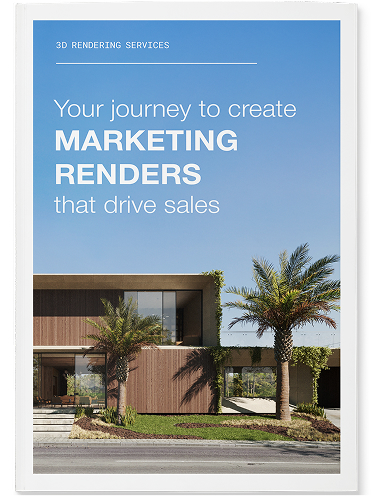
Your Journey | to Marketing Renders | That Bring Out | The Best in Your | Project
Read Our Whitepaper