The real challenge in residential projects today
Residential projects rarely fail because of design quality.
They fail because people don’t understand what they’re buying.
Most residential developments are still sold using floor plans, elevations, and a few static drawings. For architects and developers, that feels sufficient. For buyers, it usually isn’t. A 2D plan shows layout and dimensions. It does not show space, light, materials, or atmosphere. And those are the things residential buyers care about most.
This gap becomes even more visible in pre-construction sales. Buyers are asked to commit to a home that doesn’t exist yet. They try to imagine how rooms will feel, how natural light will work, or how the house fits into its surroundings. Many can’t. As a result, they hesitate, ask for endless clarifications, or walk away.
Another issue is communication between stakeholders. Developers, architects, sales teams, and buyers often interpret the same drawings differently. Small misunderstandings at this stage lead to bigger problems later. Delays. Design changes. Lost trust.
Residential buyers don’t think in technical terms. They think emotionally.
If they can’t clearly see the future home, confidence drops. And when confidence drops, sales slow down.
What is 3D residential rendering?
3D residential rendering is the process of creating realistic visual images of a residential property before it is built or renovated.
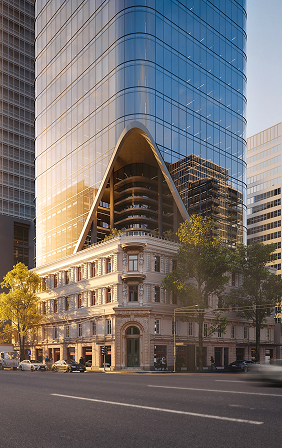
These visuals typically include exterior views, interior spaces, and the surrounding environment. They show materials, lighting, proportions, and context in a way that technical drawings cannot. The goal is not decoration. The goal is clarity.
Residential rendering is most often used at three key stages:
- Pre-sale and marketing, to help buyers understand the property and make decisions faster
- Planning and approvals, to clearly communicate design intent to authorities or stakeholders
- Design validation, to review materials, layouts, and spatial decisions before construction starts
It’s important to separate residential rendering from generic architectural visuals. Residential rendering focuses on how people live in the space. Furniture scale, lighting mood, exterior landscaping, and neighborhood context matter more here than abstract form or concept visuals.
In short, 3D residential rendering translates technical design into something non-technical people can understand.
Who actually uses 3D residential rendering (and why)
Residential rendering isn’t created for one audience. Different stakeholders use it for different reasons. Understanding this helps explain why it has become a standard tool in residential projects.
Property developers
Developers use residential rendering to support pre-sales and investor communication. Clear visuals reduce buyer hesitation and shorten sales cycles. They also help position a project in a competitive market, especially when selling before construction is complete.
When investors are involved, realistic visuals make it easier to present the project’s value and direction without relying on complex technical explanations.
Real estate agencies
For real estate agencies, residential rendering improves listings. Properties with clear, realistic visuals tend to attract more attention and better-quality leads. Buyers who engage with rendered visuals usually have a clearer understanding of what’s being offered, which reduces time spent on unqualified inquiries.
Rendered visuals also help agencies present off-plan or renovated properties that are not yet ready for photography.
Architects and design teams
Architects use residential rendering as a validation tool. It allows them to review design decisions visually before construction starts. Lighting, materials, and proportions are easier to evaluate in a realistic image than on paper.
Clear visuals also improve communication with clients and developers. Fewer misunderstandings at this stage mean fewer revisions later.
Private homeowners
For private homeowners, residential rendering provides confidence. It helps them understand what they are investing in before committing to construction or renovation. Seeing the full picture early often prevents costly changes during the build process.
Key use cases of 3D residential rendering
Residential rendering is not a “nice-to-have” visual. It’s a working tool that solves specific problems at different stages of a residential project. Below are the most common and practical use cases where it delivers real value.
Pre-construction sales and marketing
Selling residential property before construction is complete is always a challenge. Buyers are asked to commit based on plans, elevations, and promises. This is where many deals slow down or fall apart.
3D residential rendering allows buyers to see the future home clearly. Not as a concept, but as a lived-in space. Exterior views show scale and curb appeal. Interior renders show light, layout, and atmosphere. Together, they remove uncertainty.
This visual clarity builds trust. Buyers feel more confident when they understand what they are paying for. For developers, this often means faster pre-sales and fewer objections during the sales process.
In competitive markets, this becomes even more important. Projects that rely only on drawings struggle to hold attention. Rendered visuals help residential developments stand out and communicate value quickly.
Real estate listings and presentations
Residential rendering is widely used in real estate listings, sales presentations, and investor materials. This is especially relevant for properties that are under construction, undergoing renovation, or planned as part of a new development.
For online listings, rendered images help buyers engage with the property earlier. They spend more time reviewing listings that clearly show interior spaces, layouts, and finishes. This usually leads to better-quality inquiries.
In sales decks and investor presentations, residential rendering supports the narrative. Instead of explaining the project verbally, teams can show it. This shortens meetings and reduces misunderstandings.
When combined with professional
3d rendering services, these visuals stay consistent across all sales channels. That consistency matters when multiple teams and platforms are involved.
Planning approvals and stakeholder reviews
Residential projects often require approval from multiple parties. City planning departments, HOAs, internal review boards, and investors all look at the same project from different angles.
Technical drawings are necessary, but they are not always enough. Many reviewers are not trained to read plans in detail. Residential rendering helps bridge that gap.
Clear visuals make it easier to explain scale, massing, materials, and how the project fits into its surroundings. This can speed up approval cycles and reduce back-and-forth questions.
For developers and architects, this means fewer revisions triggered by misunderstandings rather than real design issues.
Design validation before construction
Before construction starts, residential rendering acts as a final checkpoint. It allows teams to review design decisions visually and spot potential issues early.
Materials that look good on samples may behave differently in real lighting. Room proportions can feel different once furniture is placed. Exterior elements may not align as expected with landscaping or neighboring buildings.
Rendering makes these issues visible while changes are still affordable. Adjustments made at this stage are far less costly than changes during construction.
This use case is especially relevant for larger residential developments and custom homes, where expectations are high and mistakes are expensive. In many cases, this is where dedicated
3D House Rendering Services provide the most value, because they focus specifically on residential-scale details and buyer perception.
Benefits that actually matter (not generic “high quality visuals”)
The real value of 3D residential rendering is not visual quality alone. It’s what those visuals change in the decision-making process.
Faster decision-making
Clear visuals reduce uncertainty. Buyers don’t need to imagine how spaces will look. They can see it. This leads to quicker decisions and fewer follow-up questions.
For sales teams, this means less time spent explaining basic details and more time closing qualified leads.
Reduced revision costs
Many costly changes happen because something wasn’t clear early enough. Residential rendering brings those issues forward.
Design problems are easier to fix on screen than on site. Spotting layout conflicts, lighting issues, or material mismatches before construction saves time and budget.
Higher perceived value of the project
Well-executed residential rendering helps position a property as premium. Buyers are more willing to accept pricing when they clearly understand the quality and intent of the design.
This is not about exaggeration. It’s about presenting the project accurately and professionally.
Stronger marketing consistency
Using the same rendered visuals across listings, presentations, websites, and ads creates a unified message. Buyers see the same story everywhere.
This consistency strengthens brand perception and reduces confusion, especially in multi-unit or multi-phase residential developments.
3D residential rendering vs traditional visualization approaches
Traditional visualization methods still play a role in residential projects. But they serve different purposes.
2D plans communicate dimensions and layout. They work well for technical coordination, but not for buyer understanding. Most residential buyers struggle to translate lines into lived spaces.
Simple sketches can support early design discussions. They are useful internally, but they rarely help with sales or approvals.
Generic visualization tools often produce quick results, but they lack realism and context. Lighting, materials, and scale are usually simplified, which limits their effectiveness in decision-making.
3D residential rendering focuses on buyer psychology and communication clarity. It shows how a home feels, not just how it is measured. This makes it more effective for sales, approvals, and stakeholder alignment.
That difference is why residential rendering is increasingly treated as a core part of the development and marketing process, not an optional add-on.
What makes residential rendering effective (and what breaks it)
Not all residential rendering works the same way. Two projects can use similar tools and get very different results. The difference usually comes down to execution, not technology.
Effective residential rendering focuses on how people perceive space, not just how it looks on screen.
One of the most important factors is lighting. Natural light defines how rooms feel. Poor lighting makes interiors look flat or artificial, even if materials are technically accurate. Good lighting, on the other hand, helps buyers understand room orientation, window placement, and overall comfort.
Scale is another common issue. Furniture, ceiling height, door proportions, and spacing between elements must feel realistic. When scale is off, buyers may not be able to explain what feels wrong, but they will feel it. And that feeling creates doubt.
Styling also matters, but only when it matches the target market. Residential buyers in the U.S. expect familiar layouts, finishes, and proportions. Overly stylized visuals may look impressive but often disconnect from real buying decisions.
Accurate surroundings complete the picture. Context shows how the home fits into its environment. Landscaping, neighboring buildings, streets, and views all influence perception. Ignoring these details makes a project feel incomplete.
What breaks residential rendering is usually the opposite approach. Unrealistic materials, exaggerated design choices, and visuals that ignore the buyer profile reduce trust. Instead of clarifying the project, they raise questions. And questions slow decisions.
When residential rendering becomes a business advantage
Residential rendering becomes more than a visual asset when it directly supports business goals.
This happens most often in competitive markets. When buyers compare multiple projects at the same time, clarity becomes a differentiator. Projects that are easier to understand tend to win attention faster.
New developments are another case. When there is no physical product yet, rendering becomes the primary way buyers experience the property. Strong visuals reduce perceived risk and help move conversations forward.
The same applies to premium and off-plan properties. Higher price points come with higher expectations. Buyers want to understand quality, layout, and lifestyle before committing. Residential rendering supports that expectation without relying on assumptions.
In these scenarios, rendering is not about making something look better than it is. It’s about removing friction from the buying process. When used correctly, it shortens sales cycles and improves communication across teams.
This is usually the point where developers start thinking not just about visuals, but about who creates them and how they are used across the project.
Choosing the right partner for residential rendering
At a certain scale, residential rendering stops being a one-off task. It becomes part of a broader sales and communication process.
When working with a professional 3d rendering agency, residential developers gain more than images. They gain a structured visual approach that supports sales, approvals, and marketing consistency.
Industry experience matters here. Residential projects have different priorities than commercial or conceptual work. An experienced partner understands buyer expectations, common objections, and how visuals influence decision-making in residential real estate.
Understanding residential buyers is just as important as technical skill. The goal is not artistic expression. The goal is clarity, trust, and realism that aligns with how homes are actually sold.
Process transparency also plays a key role. Clear workflows, revision stages, and feedback loops reduce friction between teams. This becomes critical when multiple stakeholders are involved.
Finally, consistency across assets matters. Residential projects often require multiple visuals across different phases and channels. A single partner helps maintain a unified visual language across listings, presentations, and marketing materials.
At this stage, choosing the right rendering partner is less about software and more about alignment with business goals.
How professional 3D rendering services support residential projects
At scale, residential rendering is not just about producing images. It’s about building a repeatable process that supports design, sales, and approvals without creating friction between teams.
Professional 3d rendering services help residential projects move faster from concept to sale by eliminating visual uncertainty at every stage.
The workflow usually starts with aligning on purpose. Is the rendering for pre-sales, approvals, or marketing? That decision affects everything that follows, from camera angles to level of detail. When this step is skipped, visuals often look good but fail to solve the real problem.
Collaboration is the next critical layer. Residential projects involve architects, developers, marketers, and sales teams. A structured rendering process creates a shared visual reference. Everyone works from the same understanding of the project. This reduces misalignment and avoids last-minute changes caused by unclear expectations.
Scalability matters most in larger developments. Multi-unit residential projects require consistency across dozens of images and multiple phases. Professional services are designed to handle that volume without sacrificing accuracy or visual coherence. This is especially important when visuals are reused across listings, presentations, and investor materials.
In practice, rendering becomes part of the project infrastructure, not a one-off task.
When to consider dedicated 3D House Rendering Services
Not every residential project needs the same level of specialization. But there are clear cases where dedicated 3D House Rendering Services make a measurable difference.
Housing developments are a common example. When multiple homes share similar layouts with small variations, consistency becomes critical. Dedicated residential-focused services help maintain that consistency while still highlighting unique features.
Multi-unit residential projects benefit for similar reasons. Buyers compare units side by side. Clear, accurate visuals reduce confusion and help buyers understand differences without relying on technical explanations.
Private houses intended for pre-sale are another strong case. When buyers commit before construction, perception directly affects sales velocity. High-quality residential rendering helps set expectations early and avoid disappointment later.
In all these scenarios, the value comes from specialization. Residential-focused services understand buyer behavior, typical objections, and how people evaluate homes visually. That understanding translates into clearer communication and smoother sales processes.
Final thoughts: residential rendering as a strategic tool
3D residential rendering is not about creating “pretty images.”
It’s about clarity.
It’s about trust.
And it’s about speed.
In residential real estate, buyers make emotional decisions backed by financial commitment. When visuals reduce uncertainty, decisions happen faster and with more confidence.
That’s why residential rendering has moved from a supporting role to a strategic one. It’s no longer just a design deliverable. It’s part of how residential projects are planned, communicated, and sold.
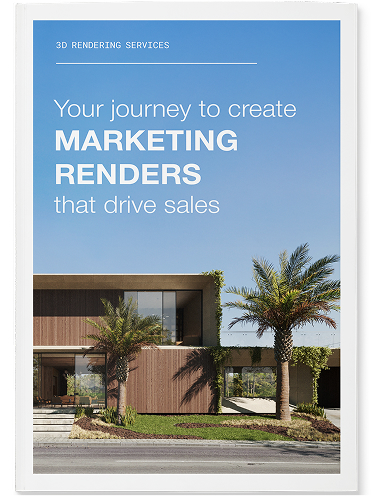
Your Journey | to Marketing Renders | That Bring Out | The Best in Your | Project
Read Our Whitepaper