The real problem: selling and approving a project before it exists
Most residential and commercial projects get judged long before anyone pours concrete.
You’re asking people to commit based on things that don’t show the reality of the building. Plans. Elevations. A few material notes. Sometimes a rough massing model. That works for technical coordination. It doesn’t work for decisions.
Investors want to see what they’re funding. Buyers want to see what they’re buying. City reviewers and planning boards want to understand impact, scale, and context. And internal teams need alignment, fast.
If the visuals are unclear, three predictable problems show up:
- People interpret the project differently. Meetings turn into debates about what “this” will look like.
- Approvals slow down because reviewers can’t quickly understand the proposal.
- Marketing starts late because there is nothing convincing to publish.
Exterior visuals matter because they answer the first question everyone has: “What will this look like in the real world?”
That’s the gap 3D exterior rendering is meant to close.
What is 3D exterior rendering – in practical terms
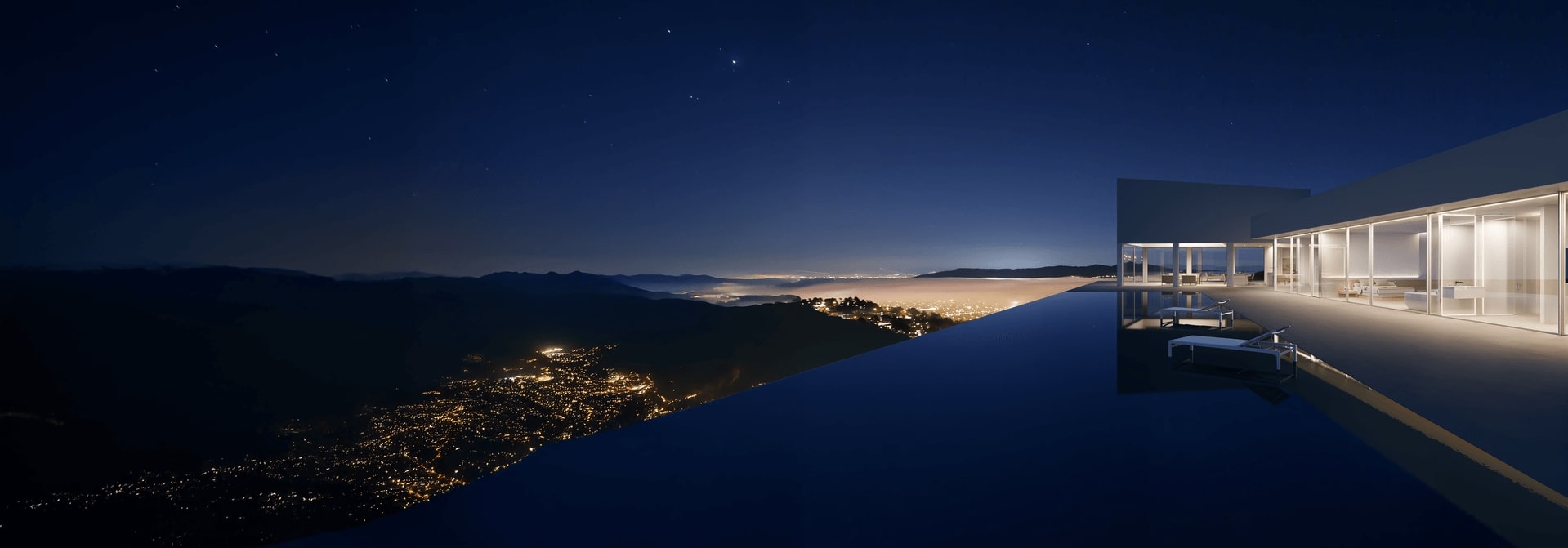
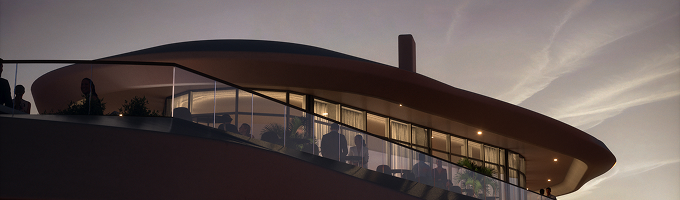
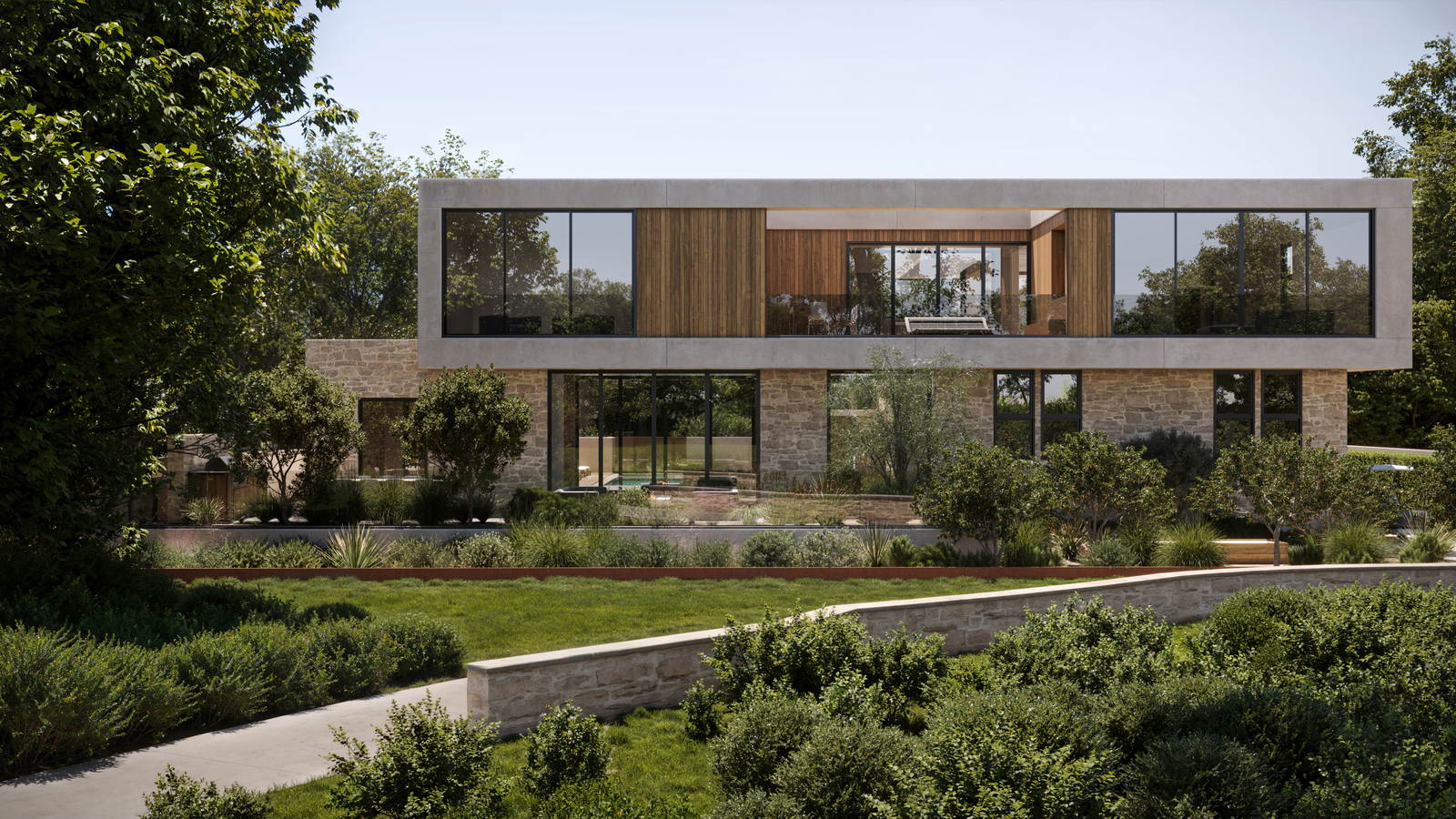
A 3D exterior rendering is a realistic image of the outside of a building. It’s built from your plans and design intent, then presented in a way that looks like a real photo.
It’s not about showing that a model exists. It’s about showing the building the way stakeholders will experience it.
A typical exterior rendering communicates:
- Form and proportions: how the building reads at street level and from key angles.
- Materials and finishes: facade systems, glazing, cladding, rooflines, detail logic.
- Lighting and time of day: how the building looks in natural light, how shadows behave, what feels bright vs heavy.
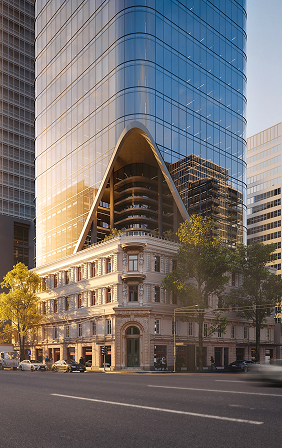
- Site context: landscaping, sidewalks, parking, signage, neighboring structures, and the overall setting.
- Scale: people, cars, street furniture, and cues that help the viewer “feel” the size.
One important point: exterior rendering is a deliverable. It’s what you use to communicate, get alignment, and move the project forward. The value is in clarity, not in artistic style.
Residential vs commercial exterior rendering: different goals, different visuals
Residential and commercial projects use exterior renderings for different decisions. If you treat them the same, you usually get visuals that look fine but don’t do the job.
Here’s the practical difference.
| Aspect | Residential exterior rendering | Commercial exterior rendering |
|---|---|---|
| Primary goal | Help people imagine living there | Help people evaluate the asset and its performance |
| What the viewer cares about | Warmth, comfort, curb appeal, lifestyle | Visibility, access, brand presence, tenant fit, scale |
| Best visual emphasis | Human scale, landscaping, “arrival” moments | Massing clarity, circulation, context, signage, frontage |
| Common stakeholders | Homebuyers, residential developers, HOA / community | Investors, tenants, brokers, city reviewers, lenders |
In residential, the rendering needs to feel relatable. It should show how the home sits on the site and what the experience is like when you arrive. Details like landscaping, lighting tone, and proportions often carry more weight than technical complexity.
In commercials, the rendering needs to explain function and context. How the building presents to the street. How people move through it. How it fits the neighborhood. How the project supports leasing, tenant conversations, or investor review. The visuals are still realistic, but the story is different.
Same tool. Different decisions. Different rendering priorities.
When exterior rendering is not optional anymore
There are projects where exterior rendering is a nice extra. And there are projects where skipping it creates friction at every step.
Most residential and commercial developments today fall into the second group.
Exterior rendering becomes essential when:
- You’re selling before construction. Pre-sales depend on clarity. Buyers won’t commit to floor plans and elevations alone.
- You’re pitching investors. Decks built on numbers still need visuals that explain the asset in one glance.
- You’re going through zoning or design review. Planning boards respond faster when they can clearly see massing, setbacks, and street impact.
- You need marketing early. Waiting until construction starts means losing months of visibility.
- You’re competing with similar projects. When location and pricing are close, presentation becomes the differentiator.
In these situations, teams are not looking for abstract visuals. They need a clear, production-ready solution that supports sales, approvals, and early marketing. That’s exactly what professional 3D Exterior Rendering Services are designed for – translating design intent into visuals people can actually evaluate and act on.
In all these cases, exterior rendering reduces uncertainty. It shortens conversations. It limits misinterpretation. And it helps people say “yes” faster because they understand what they’re agreeing to.
That’s why, in practice, exterior rendering isn’t about visuals. It’s about removing friction from decisions.
What makes exterior rendering effective (and what breaks it)
Not all exterior renderings work. Many look polished and still fail to do their job.
The difference usually comes down to intent.
What works
Effective exterior renderings focus on how the building will be perceived, not just how it looks.
They get a few things right:
- Accurate scale. The building feels believable in relation to people, cars, and surrounding structures.
- Real materials. Finishes behave the way they do in real light, not the way they look in a material library.
- Context that makes sense. Landscaping, streets, and neighboring buildings support the story instead of distracting from it.
- Purpose-driven camera angles. Views are chosen to explain the project, not to impress another designer.
These details help stakeholders understand the project quickly and consistently.
What doesn’t
I see the same problems again and again:
- Generic facades that could belong anywhere.
- Lighting that looks dramatic but unrealistic.
- Portfolio-style images that ignore the actual site and use case.
Those images might look good on a studio website. They don’t help with approvals, leasing, or investment decisions. And they often create new questions instead of answering existing ones.
Choosing a 3D rendering company for exterior projects
At some point, the question shifts from “do we need exterior rendering?” to “who should do it?”
This is where many teams struggle. A 3d rendering company can produce attractive images. That alone isn’t enough.
For exterior projects, the partner needs to understand why the visuals exist in the first place.
A few things matter more than style:
- Proven experience with exterior work, not just interiors or conceptual visuals.
- Clear understanding of the difference between residential and commercial goals.
- Ability to think beyond images and focus on business outcomes: approvals, sales, and alignment.
If the conversation stays at the level of “how many images” and “what resolution,” that’s a red flag. The right partner asks about the audience, decision stage, and how the visuals will be used.
This is exactly the approach we take at Fortes Vision. Exterior rendering is treated as a communication tool, not a decorative asset.
From there, it becomes easier to decide whether a studio is the right fit for your project or just another vendor delivering images.
Exterior rendering as part of professional 3D rendering services
Exterior renderings rarely live on their own. In real projects, you usually need a set of visuals that work together.
That’s why it helps to think in terms of full 3d rendering services, not a single deliverable.
Here are common combinations that come up on residential and commercial work:
- Exterior + interior. You show curb appeal and then prove the experience inside. This is the most common pairing for pre-sales and leasing.
- Exterior + animation. Useful when the project needs a story: approach, arrival, circulation, or a phased development plan.
- Exterior + virtual tour. Helpful when buyers or stakeholders are remote and you need them to explore the site experience without a physical visit.
If you’re building a package, the key is consistency. Same design logic. Same materials. Same tone. Otherwise, the visuals feel like separate pieces from different projects.
Exterior and interior must work together (not separately)
Exterior visuals get attention. Interior visuals close decisions.
If your exterior looks premium but your interior set feels generic, people notice. And it creates doubt. The same happens when the interior looks strong but the facade reads flat or unrealistic.
This is why exterior rendering often needs to be planned together with 3D Interior Rendering Services. The goal is not “more images.” It’s one consistent story.
A few examples of where alignment matters:
- Materials. Facade choices should match interior finishes and brand positioning.
- Lighting tone. Daylight, warmth, and contrast should feel like the same world.
- Target audience. A luxury residential project and a value-focused multifamily project should not use the same visual language.
Common questions clients ask before ordering exterior rendering
Most delays and rework happen because teams start without aligning on inputs and expectations. These are the questions worth answering upfront.
What do you need to start?
Usually: drawings (plans, elevations), key dimensions, site plan, and material references. A rough 3D model helps, but it’s not always required if documentation is clear.
When should we order exterior rendering?
When the massing, facade direction, and site layout are mostly set. If core decisions are still changing weekly, you’ll spend time redoing the same work.
How many views do we actually need?
Enough to explain the project, not enough to fill a gallery. Most projects benefit from a small set of angles that cover street presence, entry, and key elevations.
How many revision rounds are reasonable?
A couple of structured rounds is normal. What matters is having clear feedback and one decision owner. Too many voices is the fastest way to burn time and budget.
If you treat these as part of the process, exterior rendering becomes predictable. You avoid surprise edits. And you get visuals that move the project forward.
3D exterior rendering as a decision tool, not visual decoration
It’s easy to treat exterior rendering as a nice image for marketing. That’s usually a mistake.
In residential and commercial projects, exterior rendering does one core job. It helps people decide. Faster. With fewer questions.
When done right, it’s not about style or mood. It’s about clarity.
- Buyers understand what they’re committing to.
- Investors see the asset, not just the numbers.
- Review boards grasp scale, context, and impact without long explanations.
- Internal teams align earlier and avoid late-stage changes.
When done poorly, exterior visuals create noise. They look good but leave room for interpretation. And interpretation slows everything down.
That’s the difference between exterior rendering as decoration and exterior rendering as a business tool. One fills a slide. The other moves a project forward.
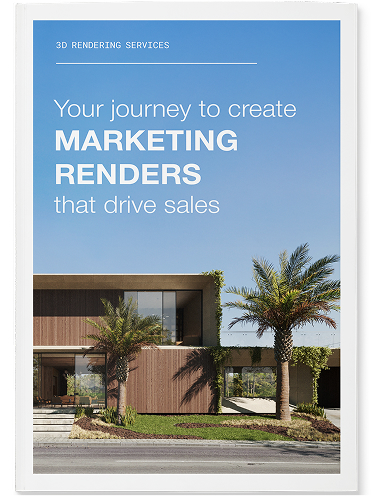
Your Journey | to Marketing Renders | That Bring Out | The Best in Your | Project
Read Our Whitepaper