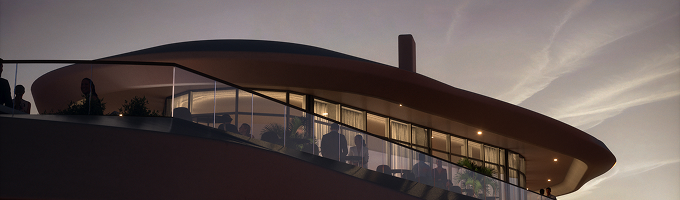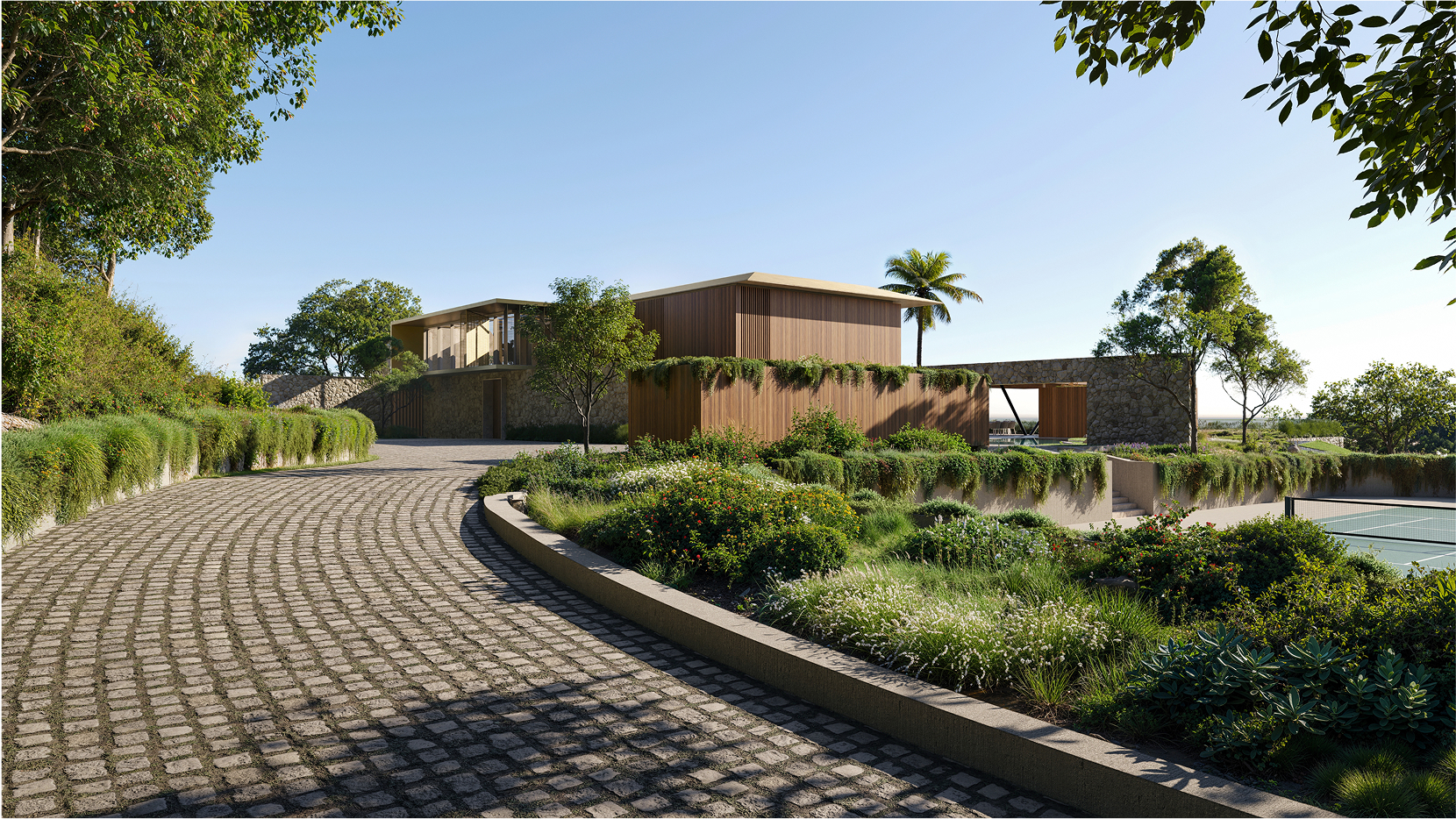
The real problem 3D exterior rendering solves
Most people can’t “see” a building from plans. Even good ones.
Architects and developers live in drawings. Investors, city reviewers, buyers, and tenants don’t. They’re trying to answer basic questions fast:
- What will it look like from the street?
- Does it feel high-end or cheap?
- Will it fit the neighborhood?
- Is this something people will want to live in, rent, or visit?
This is where projects lose time and money.
A developer sends a set of elevations to an investor. The investor doesn’t get it. So they ask for more context. More calls. More revisions. The decision gets delayed.
Or a project goes through reviews. Planning boards and community groups focus on “unknowns”. If they can’t picture the final result, they assume risk. That often means extra rounds of feedback or stricter conditions.
And then there’s marketing. A landing page with plans and a few massing diagrams usually doesn’t convert. People scroll past because nothing feels real.
3D exterior rendering fixes the communication gap. It turns “trust me” into “i see it”. That’s why it’s used early for approvals, fundraising, and pre-sales – not only at the end of the design process.
If you’re looking for deliverables that support approvals and marketing, this is exactly what our 3D exterior rendering services are built for. If you need a broader view of outputs across project stages, start with our services overview.
What is 3D exterior rendering?
3D exterior rendering is a set of photorealistic images (or visuals close to photoreal) that show the outside of a building as it would look in real life.
It’s not “pretty pictures”. It’s a production process that takes technical project data and turns it into visuals people can understand.
Typical inputs
- CAD drawings and elevations (DWG/PDF)
- A 3D model (SketchUp/Revit/3ds Max or similar) or enough files to build one
- Material direction (facade finishes, glazing, metal, stone, etc.)
- Site context (landscaping, adjacent buildings, curb cuts, parking, signage)
- Camera angles and goals (approvals, investor deck, website, brochure)
Typical outputs
- Exterior hero views (daylight, dusk, or both)
- Street-level perspectives that match how a person would see the building
- Detail shots when materials and facade design matter
- Context views that show how the project sits in its environment
The point is simple: a 3D exterior rendering should answer the stakeholder’s questions without a meeting.
What 3D exterior rendering is NOT
A lot of teams buy the wrong thing because the terms sound similar. Here’s the clean way to separate them.
| Not this | Why it’s different | What you’re actually getting with exterior rendering |
|---|---|---|
| A concept sketch | Great for ideation, not for decisions | A realistic view of the approved direction |
| A massing model screenshot | Shows volume, not materials or real perception | Materials, lighting, landscaping, and street-level feel |
| “Visualization for designers” | Internal tool for design exploration | Communication tool for approvals, sales, and investor alignment |
| Interior rendering | Solves a different job | Exterior focuses on curb appeal, context, and architecture presence |
Also, exterior rendering is not a magic replacement for design work. If the facade is still changing every week, you’ll waste money on revisions. Exterior rendering works best when the direction is mostly locked and the goal is alignment and decision-making.
(We’ll cover how exterior and interior visuals work together later – and when you should plan both.)
When you actually need 3D exterior rendering
You don’t need exterior renders just because a project exists. You need them when the outside view has to do a job.
Most of the time, that job is one of these:
- Pre-sales or leasing before construction. People won’t commit to a place they can’t picture.
- Investor decks and stakeholder alignment. The faster they “get it”, the faster you move.
- Zoning, entitlement, or design review. Reviewers react to what they can see. If they can’t see it, they assume risk.
- Marketing before the building is real. Your website, brochures, and listings need visuals that look final.
This is why exterior rendering shows up in real estate development, residential projects, commercial buildings, hospitality, and mixed-use. Not because the building is “cool”, but because someone needs to approve it, fund it, or buy into it.
A quick way to sanity-check it:
If the next step depends on a decision from someone who isn’t reading plans all day, you probably need 3D exterior renders.
How exterior rendering supports sales, approvals, and marketing
Exterior visuals work because they reduce the work the other person has to do. They don’t have to translate drawings in their head. They can react to what they see.
For investors and stakeholders
Exterior renders help you get to a “yes” faster because they:
- cut down on explanation
- make scope and quality easier to judge
- reduce the feeling of uncertainty
That last point matters. People rarely say “no” because they hate the project. They say “not yet” because they don’t feel confident.
For sales and marketing teams
Exterior renders give marketing something real to use:
- hero images for landing pages
- ads and banners
- listing visuals
- brochures and pitch decks
And this is where quality matters. A half-finished look can hurt conversion. A clean, realistic render helps the project feel credible.
This is also why exterior work is often bundled into broader 3d rendering services. The goal is one consistent visual story across channels, not a random set of images that don’t match.
Exterior rendering vs exterior visualization vs exterior animation
People use these words like they mean the same thing. They don’t. And if you buy the wrong deliverable, you pay twice.
Here’s the practical difference:
| Deliverable | Best for | When it’s used | Output |
|---|---|---|---|
| Exterior rendering | Approvals, marketing, investor alignment | When the design direction is mostly locked | Photoreal (or near-photoreal) still images |
| Exterior visualization | Exploring options, testing direction | Earlier, while decisions are still open | Draft-to-polished visuals focused on decision-making |
| Exterior animation | Presentations, storytelling, big launches | After key decisions are approved | Video sequence that shows the project over time |
A simple rule:
If your goal is to sell, lease, or approve, exterior rendering is usually the right tool. If your goal is to decide, you may need visualization first. If your goal is to present the project as a story, animation can make sense.
And if you’re unsure, don’t guess. Map the deliverable to the next action you need from the audience. That keeps scope clean and revisions under control.
What a professional 3D exterior rendering includes
Good exterior renders don’t happen by accident. They’re built from a set of technical decisions that stay consistent across every image.
Here’s what’s usually involved.
Lighting.
Natural light defines how a building reads. Direction, softness, shadows, and reflections all matter. Bad lighting makes even a strong design look flat or cheap.
Materials.
Facade materials need to look right at real scale. Brick shouldn’t feel like a texture pasted on. Glass needs depth. Metal should react to light the way it does in real life.
Surroundings.
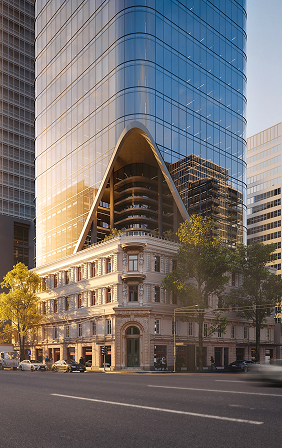
Context sells credibility. Adjacent buildings, streets, trees, cars, people. Not decoration. Orientation and scale cues.
Scale.
Doors, windows, floors, and street elements help the viewer understand size. When scale is off, trust drops fast.
Cameras.
Street-level views, hero angles, and eye-height perspectives. These aren’t random. They’re chosen to match how people will actually see the building.
Weather and time of day.
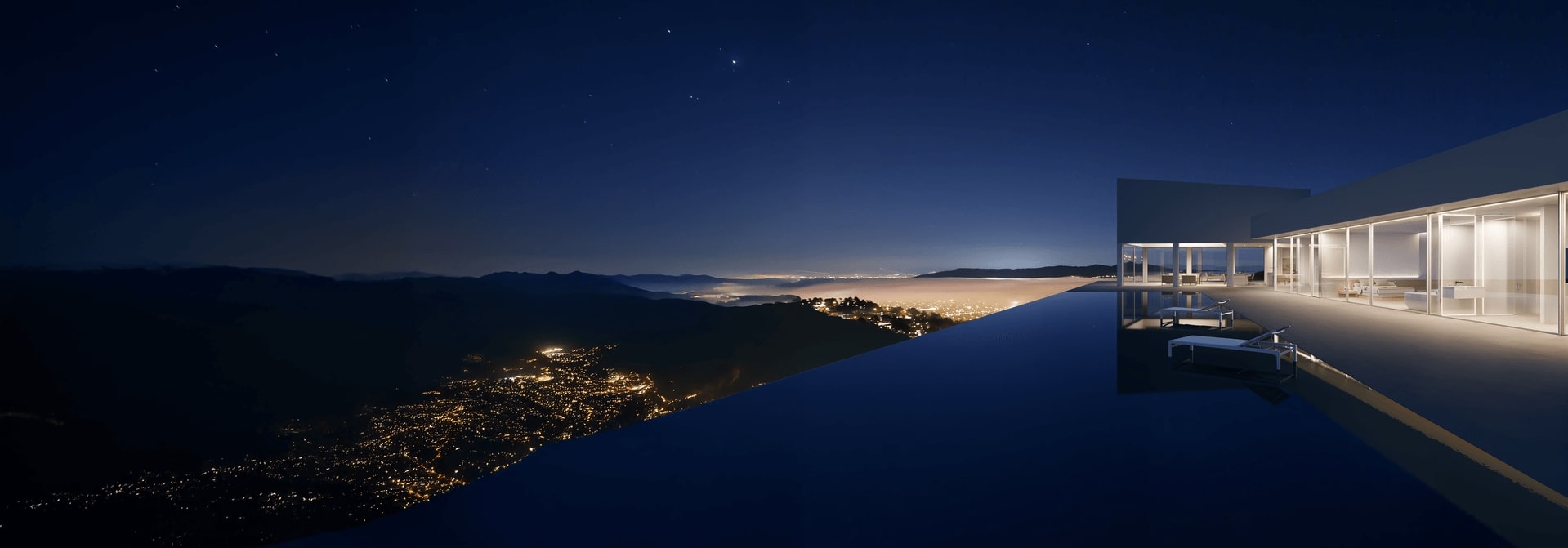
Daylight, dusk, or night scenes aren’t just style choices. They support different goals. Daylight for clarity. Dusk for mood and marketing impact.
A professional 3d rendering company handles all of this as a system. Not as add-ons. That’s the difference between images that feel intentional and ones that feel stitched together.
Exterior rendering vs interior rendering: why projects usually need both
Exterior images sell the building. Interior images sell the space inside it.
One without the other leaves gaps.
Exterior rendering answers questions like:
- How does the building look from the street?
- Does it fit the area?
- Does it feel premium, modern, or safe?
Interior rendering answers different ones:
- What does it feel like to be inside?
- How usable is the space?
- Does it match the lifestyle or function being sold?
In most real estate and development projects, decisions depend on both views. Buyers care about curb appeal, but they commit based on interiors. Investors want to understand the envelope and the experience inside it.
That’s why exterior work is often paired with 3D Interior Rendering Services. Not for volume, but for completeness. Together, they remove guesswork at every stage of the pitch.
What affects the cost and timeline of exterior rendering
Exterior rendering isn’t priced by image count alone. The real drivers are scope and clarity.
Here’s what usually moves cost and timing.
Geometry complexity.
Simple volumes render faster. Irregular shapes, custom facades, and layered details take more setup and refinement.
Level of detail.
A zoning-ready image needs less refinement than a marketing hero shot. The closer you get to photoreal, the more time it takes.
Number of scenes.
One hero view is different from a full set: street view, aerial, close-ups, and dusk shots.
Deadlines.
Short timelines mean parallel work and fewer revision cycles. That affects the price.
Revisions.
Late design changes are the biggest budget killer. Not because they’re hard, but because they break the production flow.
Most cost issues come from misaligned expectations. Clear goals and clean inputs save more money than trying to “optimize” later.
If you plan the scope around decisions, not just visuals, exterior rendering stays predictable.
Common mistakes when ordering exterior rendering
Most exterior rendering problems aren’t technical. They’re decision problems.
The first mistake is a vague brief.
“Make it modern” or “make it premium” doesn’t mean anything in production. Without a clear goal, the team guesses. Guessing leads to revisions.
The second mistake is missing references.
If there’s no visual benchmark for materials, mood, or quality level, expectations drift. What looks “realistic” to one person looks unfinished to another.
Another common issue is ordering images “to look nice” instead of “to solve a task”.
A zoning image, a pre-sale hero shot, and an investor visual should not be the same. When purpose isn’t defined, the result often misses all three.
And finally, teams often pick a studio without checking use-case experience.
Exterior rendering for approvals is not the same as exterior rendering for marketing. If the studio doesn’t understand why the image exists, quality alone won’t save it.
Most of these mistakes cost time, not just money. And they’re avoidable.
How to prepare for a 3D exterior rendering project
Preparation doesn’t need to be complicated. It just needs to be clear.
Start with the goal.
Approval, sales, leasing, or investor alignment. One primary goal is better than three vague ones.
Then lock the direction.
Exterior rendering works best when the facade and massing are mostly approved. Constant design changes slow everything down.
Have your inputs ready.
Clean drawings, the latest elevations, and basic site context save days of back-and-forth. Even rough references are better than none.
Align on output early.
How many views. What angles? Day or dusk. Where the images will be used. This keeps scope under control.
If budget matters, say it upfront.
Good teams adjust scope. Bad surprises come from silence, not numbers.
When preparation is done right, production stays predictable. Fewer revisions. Fewer delays. Better results.
When exterior rendering makes the biggest impact
Exterior rendering pays off most when decisions depend on perception.
It matters when you need sales before construction.
People buy what they can picture.
It matters during approvals.
Review boards respond better to clarity than explanation.
And it matters when communication has to be fast.
Investors, partners, and internal teams don’t want to decode drawings.
If the next step in your project depends on someone else saying “yes”, exterior rendering helps remove friction.
That’s exactly what our 3D exterior rendering services are built for. And if you’re planning visuals across multiple stages, our full range of 3d rendering services gives you a consistent approach from concept to launch.
Clear visuals don’t replace good architecture.
But they make good architecture easier to trust.
Why 3D exterior rendering matters in real projects
3D exterior rendering isn’t about making a project look nice.
It’s about control.
Control over how your building is perceived.
Control over how fast decisions are made.
Control over risk during approvals, sales, and early marketing.
When people can clearly see what they’re being asked to approve, fund, or buy, friction drops. Conversations get shorter. Feedback gets more specific. Decisions move forward.
If exterior visuals don’t exist, people fill the gaps themselves. And they usually assume the worst.
Good exterior rendering doesn’t replace solid architecture.
But it makes solid architecture easier to trust, explain, and move forward with.
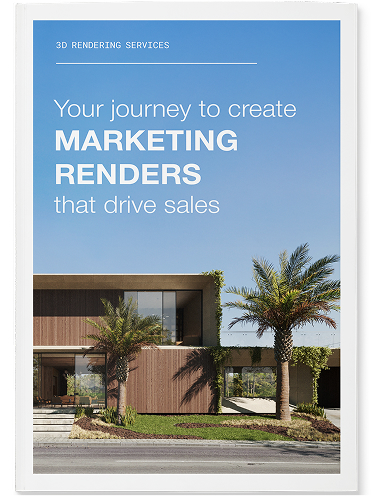
Your Journey | to Marketing Renders | That Bring Out | The Best in Your | Project
Read Our Whitepaper