Most development problems don’t start on the construction site.
They start much earlier – when decisions are made without a clear visual reference.
Architectural rendering services exist for one reason: to make complex projects easier to understand, evaluate, and approve before real money is spent. For developers, this isn’t about “pretty images.” It’s about reducing risk, aligning stakeholders, and moving projects forward with fewer surprises.
Let’s break down what these services actually include, and when they matter.
What architectural rendering services really are
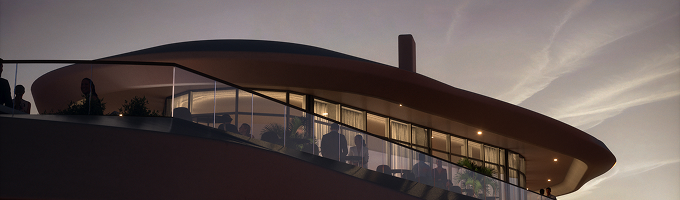
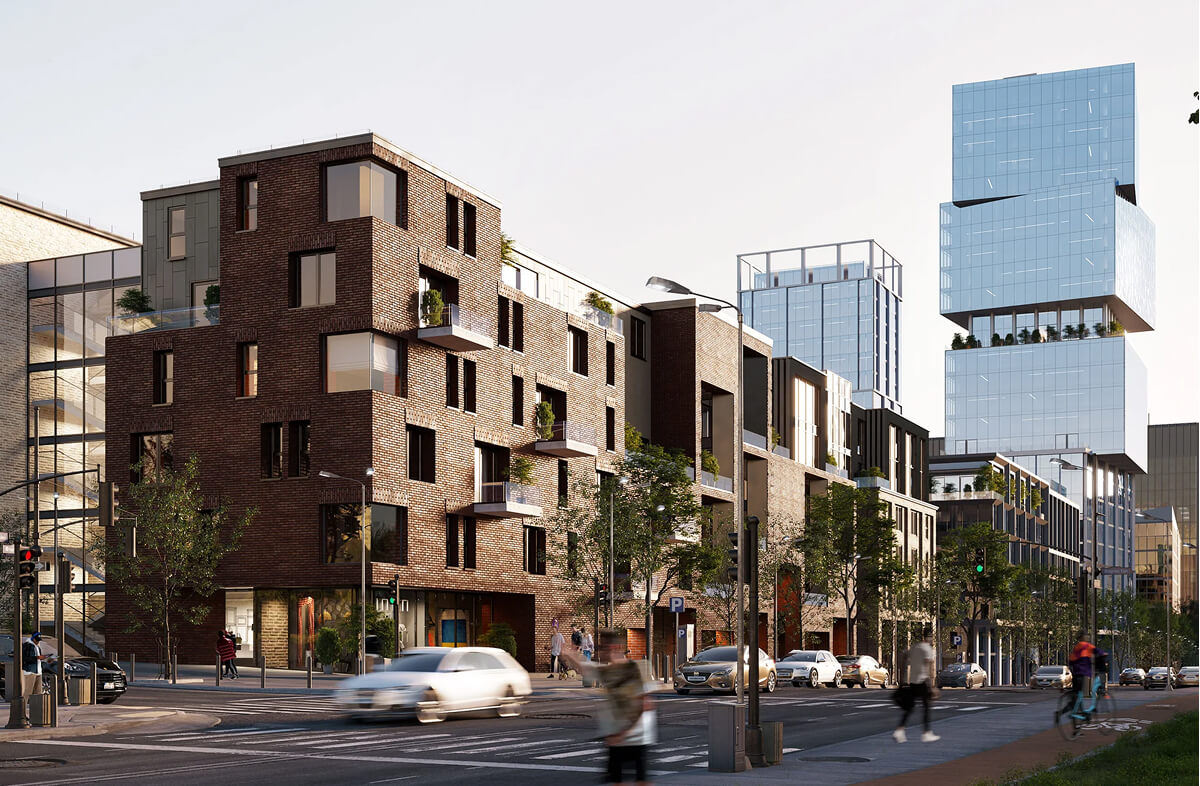
Architectural rendering services turn drawings, CAD files, or BIM models into realistic visual representations of a project. Not conceptual sketches. Not abstract diagrams. Clear, detailed visuals that show what will be built and how it will look in real conditions.
For a developer, this usually means exterior views, interior perspectives, contextual shots, and sometimes animation or walkthroughs. The goal is simple. Everyone sees the same project, the same way.
That alignment alone solves more problems than most people expect.
If you’re working with a professional 3D rendering company, the output isn’t just an image. It’s a communication tool that replaces assumptions with something concrete.
What’s typically included in architectural rendering services
The exact scope depends on the project stage, but most architectural rendering services cover a few core elements.
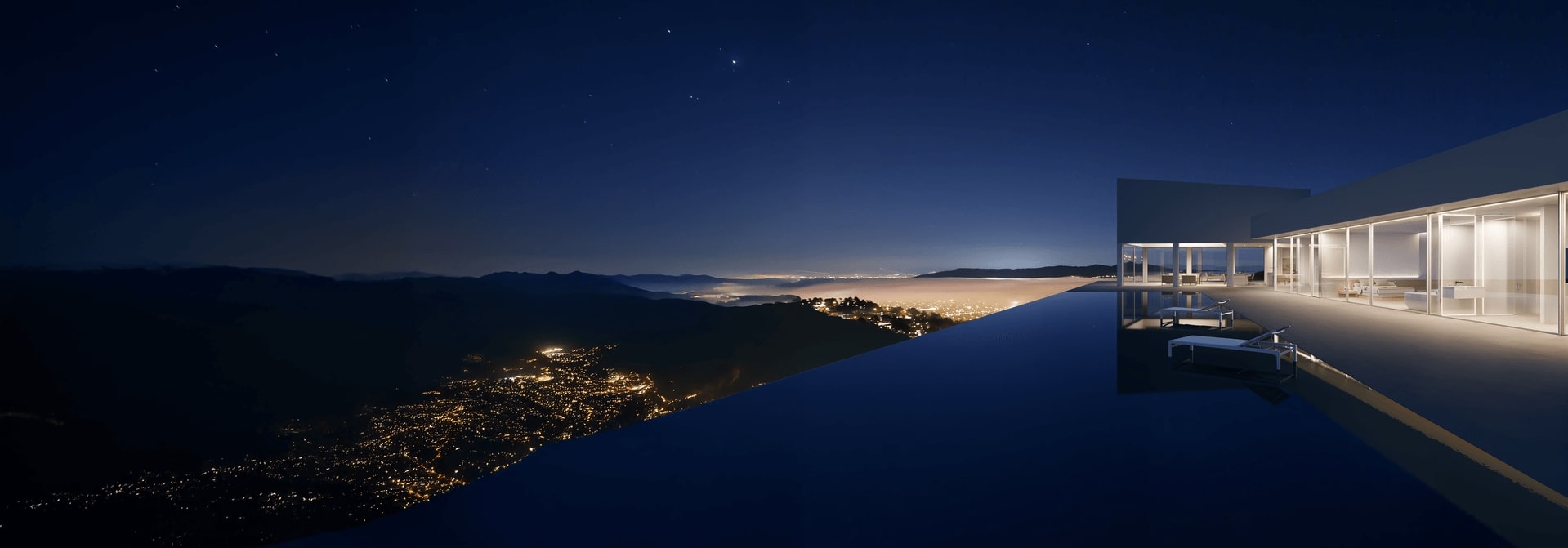
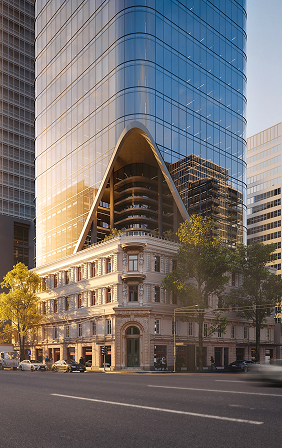
Exterior renderings show massing, materials, lighting, and how the building fits into its surroundings. Interior renderings focus on space, layout, finishes, and light behavior. Both are designed to look realistic enough that non-technical stakeholders can understand them without explanation.
More advanced packages may include different camera angles, multiple design options, or seasonal lighting scenarios. These aren’t extras for show. They’re used to compare decisions and justify choices internally.
This is where architectural rendering services differ from basic visualization. The focus is not artistic expression. It’s decision support.
When architectural rendering becomes essential
Some developers see rendering as something you do “at the end.” That’s usually a mistake.
Rendering becomes critical in three common situations.
First, during pre-development and approvals. Planning boards, city officials, and community stakeholders respond better to visuals than drawings. A clear rendering reduces back-and-forth and speeds up approvals.
Second, when raising capital or working with partners. Investors want to understand what they’re funding. Renderings make that conversation faster and more confident.
Third, before committing to construction decisions. Materials, façade design, and layout changes are cheaper on screen than on-site.
This is why many teams integrate rendering directly into their rendering services workflow instead of treating it as a marketing add-on.
Rendering vs traditional design visuals
Traditional visuals-plans, sections, elevations-are essential. But they’re not enough for most non-architects.
Architectural rendering translates technical information into something intuitive. You don’t need to explain proportions, scale, or light behavior. People can see it.
That difference matters when decisions involve multiple stakeholders with different backgrounds. Rendering becomes the common language.
It’s not about replacing drawings. It’s about making them usable outside the design team.
How professional rendering supports better decisions
Good renderings do more than illustrate. They expose problems early.
You might notice awkward proportions, poor lighting, or material conflicts that weren’t obvious in drawings. Fixing those digitally is fast. Fixing them during construction is not.
Professional rendering also creates a record of intent. When teams align around a shared visual reference, fewer misunderstandings make it into later stages.
This is where working with a dedicated 3D rendering services provider adds value beyond basic visualization.
Where architectural animation fits in
For larger or more complex developments, static images aren’t always enough. Phasing, circulation, and spatial flow are hard to explain with still frames.
That’s when architectural animation becomes useful. Movement helps stakeholders understand how spaces connect and how users experience the project over time.
If you want to see how this works in practice, architectural animation services often serve as the next step when still renderings no longer tell the full story.
Used correctly, animation isn’t marketing fluff. It’s clarity.
Choosing the right rendering partner
Not every studio works the same way. Some focus on visual style. Others focus on speed. What developers usually need is reliability.
Look for a team that understands development timelines, approval processes, and real-world constraints. Ask how revisions are handled. Ask how they work with incomplete data. Ask how they align visuals with technical documentation.
A professional 3D rendering studio should feel like an extension of your project team, not a separate creative vendor.
When you should invest in rendering – and when you shouldn’t
Rendering makes sense when decisions are still flexible and clarity saves time or money.
It’s less useful when everything is already locked and visuals won’t change outcomes. In those cases, simple documentation may be enough.
But for most U.S. development projects, especially mixed-use, residential, and commercial builds, architectural rendering pays for itself long before construction begins.
It reduces uncertainty. And uncertainty is expensive.
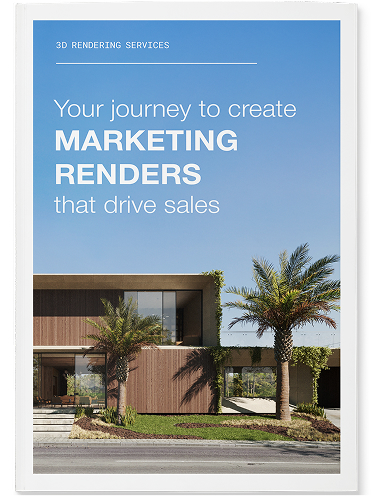
Your Journey | to Marketing Renders | That Bring Out | The Best in Your | Project
Read Our Whitepaper