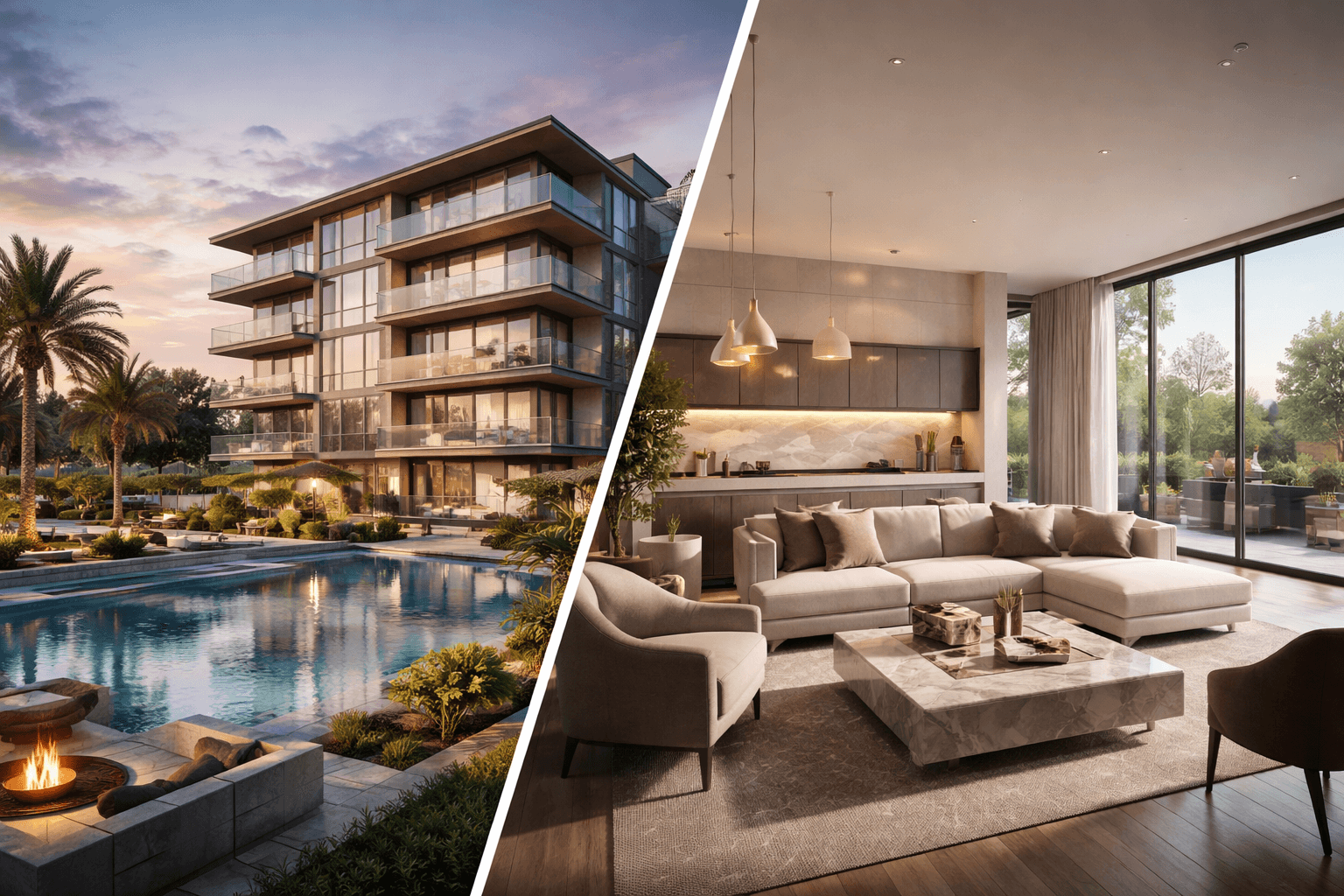
Exterior vs Interior Rendering: Key Differences, Use Cases, and How to Choose
If you are comparing exterior rendering and interior rendering, you are usually trying to solve a practical problem: what exactly do you need for your project, when do you need it, and what result should it help you achieve. These two formats are closely related, but they do different jobs. One helps present the building from the outside, including its setting, scale, and curb appeal. The other helps show what people will actually experience inside the space, from layout and lighting to materials and atmosphere.
The confusion is common because both sit under the broader category of architectural rendering services. But in real projects, they support different decisions. Developers use them to market properties before construction. Architects use them to present ideas more clearly. Real estate teams use them to make listings and campaigns more persuasive. This article explains the difference, where each type fits, and how to choose the right approach for your project.
What Is Exterior Rendering?
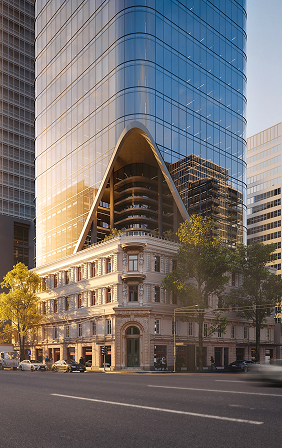
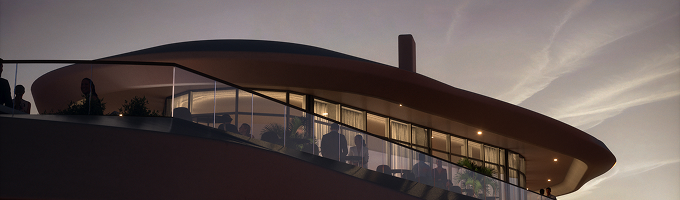
Exterior rendering is a visual representation of a building’s outside appearance before the project is built or photographed. It is not just a simple image of a facade. A strong architectural exterior rendering shows the building in context. That usually includes the structure itself, materials, windows, rooflines, landscaping, driveways, surrounding streets, lighting conditions, and often the broader environment around the property.
The goal is to help people understand how the project will look in the real world. That matters because most decisions are not made from technical drawings alone. Investors want to see marketable assets. Planning teams want to understand scale and fit. Buyers want to imagine the final result, not read blueprints. In that sense, exterior rendering is both a design tool and a communication tool.
In practice, it is often used for real estate marketing, pre-construction sales, presentations to stakeholders, and city or community approvals. For example, a developer launching a new residential project may need exterior visuals long before the building exists. Those visuals help support sales materials, websites, investor decks, and campaign assets. The same is true for commercial projects, mixed-use developments, hospitality spaces, and public architecture. When done well, exterior rendering reduces uncertainty and helps all sides evaluate the project faster and with more confidence.
What Is Interior Rendering?
Interior rendering shows how a space will look and feel from the inside. It focuses on the experience of being in the room, not just the technical layout. A good interior visualization helps people understand proportions, materials, furniture placement, finishes, lighting, and overall mood before construction or fit-out is complete. That is why it is often used when teams need alignment on design choices that are hard to judge from floor plans alone.
This is where people often confuse interior rendering with interior design. They are not the same. Interior design defines the concept, layout, and material direction. Interior rendering turns those decisions into realistic visuals that clients, architects, developers, and buyers can evaluate. It helps answer practical questions: Does the space feel too dark? Do the finishes work together? Is the furniture scale right? Does the room look premium, functional, warm, or too empty?
Interior rendering is especially useful during design approvals, client presentations, and real estate marketing. It helps decision-makers approve kitchens, living areas, offices, lobbies, hotel rooms, and other spaces before money is spent on execution. It also reduces revisions because people can react to something concrete instead of guessing from samples and drawings. For high-end residential and commercial projects, strong interior rendering is often the difference between a concept that feels abstract and one that feels real. That is where experienced teams like Fortes Vision add value: not by making images look attractive for the sake of it, but by creating visuals that help clients move projects forward with fewer doubts and clearer decisions.
Exterior vs Interior Rendering: Core Differences
The main difference between exterior rendering and interior rendering is not just what is shown on screen. It is the decision each one is meant to support. That is where many articles stay too general. In real projects, the difference matters because teams use these visuals at different stages and for different audiences.
With exterior rendering, the focus is broader. You are showing the building as an object in its environment. That includes the facade, materials, proportions, landscaping, streetscape, and how the project sits on the site. The goal is often to communicate scale, presence, and market appeal. A strong exterior image needs to feel believable at a distance and convincing in context.
With interior rendering, the focus gets tighter. You are showing what people will experience inside the space. That means layout, furniture, finishes, textures, lighting, and how all those details work together at eye level. Interior visuals usually demand more attention to small elements because people notice mistakes faster inside a room than on a building elevation.
Lighting is also handled differently. Exterior scenes usually rely on daylight, weather, shadows, and seasonal mood. Interior scenes often require more complex balancing between natural light, artificial fixtures, reflections, and material behavior. From a workflow standpoint, exterior rendering is often used earlier for marketing, approvals, and investor communication, while interior rendering is often used to validate design choices before money is spent on build-out. That is why the right partner matters. A team like Fortes Vision does more than produce attractive images. It helps match the visual format to the actual business goal behind the project.
When to Use Exterior Rendering
You need exterior rendering when the outside of the building has to do real work before the project is completed. In many U.S. projects, that happens earlier than people expect. It is not only for finished marketing brochures. It is often needed when a developer, architect, or real estate team has to explain the project clearly before construction is done.
One common use case is pre-sales and marketing. If units, leases, or investor interest depend on showing the project in a compelling way, a strong architectural exterior rendering becomes a practical sales asset. Buyers do not want to imagine a building from line drawings. They want to see curb appeal, scale, and the overall impression. This is especially important in residential development, multifamily projects, hospitality, and commercial real estate.
It is also used for planning discussions, stakeholder reviews, and permit-related presentations. While a rendering does not replace technical documentation, it often helps non-technical reviewers understand what the project will actually look like in context. That can make internal and external conversations easier.
Another important use case is investor presentations. When funding depends on how clearly the concept is communicated, visuals matter. A polished exterior image can make the project easier to evaluate and easier to trust. That is one reason experienced firms choose Fortes Vision. The value is not just in making a building look good. It is in creating visuals that help move deals, approvals, and marketing forward with less friction.
When to Use Interior Rendering
You need interior rendering when decisions inside the space still need clarity. This usually happens during design approval, material selection, or pre-market preparation. In these moments, teams are not asking for decoration. They are trying to avoid expensive uncertainty.
At the design approval stage, interior visualization helps clients and stakeholders react to something concrete. Floor plans and finish boards can explain the idea, but they rarely show how the room will actually feel. A realistic interior image helps answer the questions that slow projects down: Does the layout feel balanced? Is the lighting too flat? Do the finishes feel high-end or generic? Is the space functional as well as attractive?
It is also valuable when materials, furnishings, and layout decisions are still in motion. That is where interior rendering can save time and money. Changes made in a rendering are far cheaper than changes made after procurement or construction starts. For architects, designers, and developers, that is not a small benefit. It is a major part of risk control.
In high-end real estate marketing, interior rendering also helps sell the experience, not just the square footage. Buyers respond to atmosphere, finish level, and how livable the space feels. That is why strong visuals can raise confidence before a model unit exists. Fortes Vision is especially useful here because the work is not treated as generic interior visualization. It is built to support real project decisions, stronger presentations, and better outcomes on the business side.
Which One Do You Need for Your Project?
If you are choosing between exterior rendering and interior rendering, the right answer depends on what you need the image to do. That is the key point. Too many teams choose based on habit, budget pressure, or what they think they are “supposed” to order. But the better question is simpler: what decision needs support right now?
If you are a developer, exterior rendering often comes first because you need to present the project as a marketable asset. You may need it for investor communication, pre-sales, leasing materials, or public-facing marketing. But that does not mean interior rendering is secondary in every case. If the selling point is the living experience, amenities, or premium finish level, interior visuals may be just as important.
If you are an architect, the choice usually depends on which part of the concept needs to be understood more clearly. Exterior views help communicate massing, materials, and how the building fits its site. Interior views help explain scale, layout, atmosphere, and the user experience inside the space. In many architecture workflows, both are needed because they answer different questions.
If you are part of a real estate team, the answer is often the same: use both when the project needs a full story. Buyers and stakeholders want to see what the building looks like from the outside and what life or work looks like inside it. That is why many clients end up needing broader architectural rendering services, not just one isolated image type. Fortes Vision is valuable here because the team can help define the right visual mix based on your actual project goal, not just produce images on request.
Can You Combine Exterior and Interior Rendering?
Yes, and in many cases you should. Exterior rendering and interior rendering are not competing deliverables. They work better together when the project needs to be understood from both a market and user perspective.
A strong exterior image gets attention first. It helps people understand the building, location, style, and overall appeal. But attention alone is not enough. Once interest is there, people usually want to know what the inside experience will be like. That is where interior visuals become important. They help move the conversation from broad interest to real evaluation.
This is especially useful in real estate marketing and pre-construction campaigns. The exterior image can pull a buyer or investor in, while the interior image helps them picture daily use, finish quality, and value. In other words, exterior visuals often open the door, and interior visuals help close the gap between curiosity and confidence.
For many projects, that combined approach is stronger than relying on just one format. It gives clients, stakeholders, and buyers a more complete understanding of the property. And when both types are developed with the same visual logic and quality standard, the result feels more professional and more credible. That kind of consistency is one of the reasons clients work with Fortes Vision instead of piecing together visuals from different vendors.
Cost Differences: Exterior vs Interior Rendering
The cost difference between exterior rendering and interior rendering usually comes down to complexity, not to a simple rule that one is always cheaper than the other. That is important because many clients assume exterior work costs more just because the building is larger, or that interior work is easier because it shows less space. In practice, both can become complex for different reasons.
With exterior rendering, cost is often shaped by the scale of the building, the amount of surrounding context, landscaping, lighting conditions, and the level of detail required in the scene. A single-family home in a clean setting is very different from a large mixed-use project with streets, cars, vegetation, signage, and multiple viewpoints. The more environment you need to build, the more time and production effort the rendering requires.
With interior rendering, the complexity often shifts to close-range detail. Materials, furniture, fixtures, lighting, reflections, decor elements, and camera composition all matter more because the viewer sees the space from a human perspective. Small mistakes are easier to notice. A premium kitchen, hotel suite, or office lobby can take significant effort if the goal is realism and design accuracy.
So the better way to think about pricing is this: exterior rendering is often driven by site scale and context, while interior rendering is often driven by detail density and lighting complexity. A professional studio like Fortes Vision helps clients plan this properly from the start, so the budget aligns with the actual business use of the visuals instead of guesswork.
Common Mistakes When Choosing a Rendering Type
One of the most common mistakes is treating exterior rendering and interior rendering as an either-or choice when the project actually needs both. This happens a lot in development and real estate. A team invests in exterior visuals to show the building, but leaves out the interior experience that buyers or investors also want to see. Or they focus only on interior views and fail to show how the property looks from the outside, which weakens the first impression. In both cases, the visuals tell only part of the story.
Another mistake is ignoring the target audience. The right rendering choice depends on who needs to be convinced. Investors may care about marketability, scale, and overall concept. Buyers may care more about lifestyle, comfort, finishes, and how the space feels. Planning stakeholders may focus on context and fit. When teams do not align the visual format with the audience, the rendering can still look good but fail to do its job.
A third mistake is focusing too much on price and not enough on outcome. Cheap visuals often create new problems. They may look generic, miss important details, or feel inconsistent across the project. That can weaken trust instead of building it. In real projects, the better question is not “What is the cheapest rendering we can get?” but “What kind of visual will help us make decisions, present the project clearly, and move forward faster?” That is the difference between ordering an image and using rendering as a business tool.
How Professional Architectural Rendering Services Help
Professional architectural rendering services help by turning project information into visuals that actually support design, marketing, and sales goals. That sounds simple, but it is where quality differences show up fast. A strong rendering partner is not just making scenes look polished. The team is translating plans, materials, references, and business goals into images that fit the stage of the project and the audience behind it.
That process matters because rendering quality is not only about realism. It is also about workflow, consistency, and control. Projects often require multiple views, revisions, and alignment across both exterior rendering and interior rendering. If the process is weak, the result is usually fragmented: inconsistent quality, missed details, avoidable delays, and visuals that do not fully support the project.
This is where Fortes Vision stands out. The value is not only in producing strong images. It is in building a clear workflow, maintaining quality control, and keeping the visual language consistent across the entire presentation. That matters when the goal is to make the project easier to approve, easier to market, and easier to trust.
Related Rendering Types You Should Know
If you are researching exterior rendering and interior rendering, it also helps to understand where they fit within the broader rendering landscape. Many clients start with one question, then realize their project may need a wider visualization strategy.
A good next step is learning about Types of Rendering Services. That gives you a clearer view of the different formats used across architecture, development, and marketing. If your project is tied to property sales, leasing, or pre-construction campaigns, Real Estate Rendering is especially relevant because it focuses on visuals built to support commercial presentation and buyer interest. And if your needs are more design-driven or tied to project communication, Rendering Services for Architects can help frame rendering as part of the architectural workflow, not just a final marketing asset.
This broader view matters because the best solution is not always a single image type. Sometimes the right answer is a coordinated package built around your project goals. That is usually where more experienced teams save clients time and produce better results.
How to Choose the Right Rendering Approach for Your Project
Choosing between exterior rendering and interior rendering comes down to one thing: what decision you need to support right now. If you need to show the building as a product – how it looks, how it fits, how it sells – start with exterior rendering. If you need to validate design, materials, or user experience inside the space, focus on interior rendering.
But in many real projects, the answer is not one or the other. It is both. Exterior visuals help people understand the project at a high level. Interior visuals help them believe in it. That combination reduces uncertainty, speeds up approvals, and makes marketing more effective.
The key is not to treat rendering as a checkbox task. It is part of how your project is understood, evaluated, and sold. That is why working with a team that understands both the technical and business side of architectural rendering services matters. Fortes Vision approaches rendering as a tool for decision-making and communication, not just image production. And that usually leads to better outcomes across design, marketing, and sales.
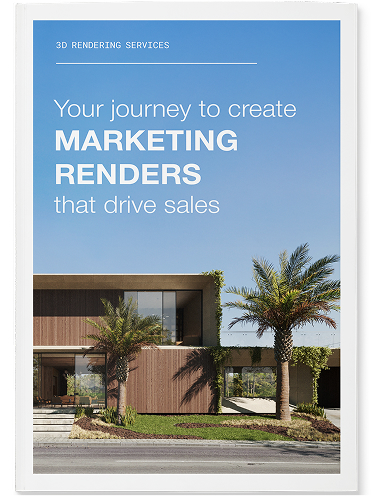
Your Journey | to Marketing Renders | That Bring Out | The Best in Your | Project
Read Our Whitepaper