
If you are comparing vendors, the short answer is this: 3D rendering services cost in the U.S. can start at a few hundred dollars for a simple still image and go into the thousands for high-end views, animations, or larger commercial scenes. Published pricing guides show a very wide range because the final number depends on the type of rendering, the amount of modeling needed, the level of realism, the number of views, and the deadline. Across current market guides, it is common to see still-image pricing anywhere from about $250 to $3,000+ per image, while advanced animations and walkthroughs can move well beyond that.
That range is exactly why many buyers get frustrated. One studio may quote a basic image built from clean source files. Another may price a fully detailed, photorealistic marketing render with custom modeling, landscaping, lighting studies, and several rounds of revisions. Both are technically “renders”, but they are not the same product. So before you judge rendering services pricing by one number alone, it helps to understand what is actually included and what level of output your project needs.
For most serious architecture, real estate, development, and product teams, the better question is not just “what is the cheapest price?” but “what level of rendering will help me sell, present, approve, or market this project with less risk?” That is where a professional team matters. A strong studio does not just produce an image. It helps define scope, reduce revision chaos, and turn a vague brief into visuals that are actually usable for business goals. That is also why many clients who need dependable quality end up choosing a specialist team for 3D rendering services instead of shopping by price alone.
Average 3D Rendering Cost by Type of Project
The fastest way to estimate your budget is to start with the type of rendering you need. Different formats have different production demands, and that changes the architectural rendering price in a big way. Based on current published pricing guides, here is a practical U.S.-market reference range. These are not fixed rates, but they are useful for early planning.
| Rendering type | Typical U.S. price range | What usually drives the cost |
|---|---|---|
| Interior still image | $250-$1,800+ | Room complexity, furniture modeling, materials, styling |
| Exterior still image | $500-$2,800+ | Architecture detail, site context, landscaping, lighting |
| 3D floor plan | $300-$1,500 | Floor complexity, furnishing, labeling style, number of levels |
| Product rendering | $50-$600+ (simple); higher for complex | Modeling accuracy, finishes, reflections, scene setup |
| 3D animation / walkthrough | $2,000-$12,000+ | Duration, camera path, environment size, motion elements |
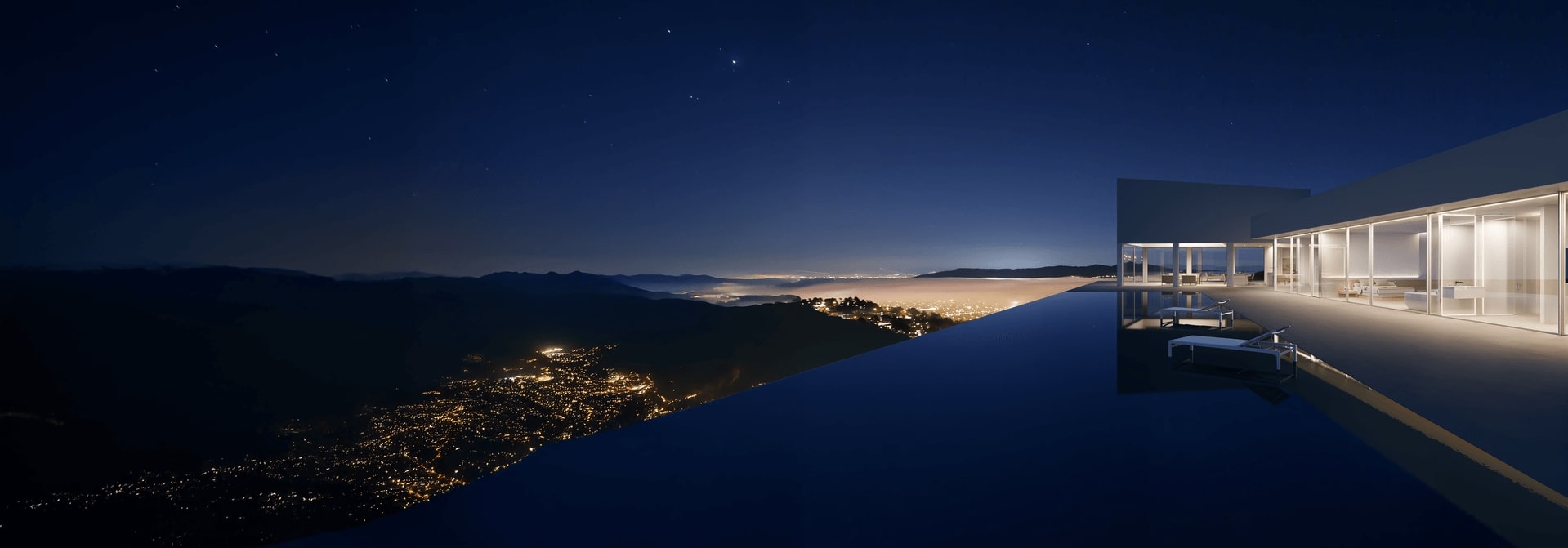
Exterior rendering usually costs more than many clients expect because the frame often includes much more than the building itself. A strong exterior image may require custom site work, vegetation, surrounding context, vehicles, people, weather mood, and carefully balanced daylight or dusk lighting. That is why one exterior image may land near the lower end of the range, while another moves much higher.
Interior rendering can look cheaper on paper, but price rises quickly when the space needs custom furniture, branded details, layered lighting, or a very polished marketing look. A simple apartment room with clean references is one thing. A luxury hospitality interior with rich materials, decor, and storytelling is another. The same applies to rendering pricing for floor plans. A clean sales-oriented floor plan is relatively straightforward, while a highly styled, furnished, presentation-ready plan takes more time.
Animation is where budgets often jump the most. That is because you are no longer paying for one finished image. You are paying for dozens or hundreds of frames, camera choreography, scene continuity, motion work, render time, editing, and often more revision risk. The same logic applies to high-end product visuals. A packshot on a plain background is much cheaper than a polished advertising scene built to support launch, ecommerce, or investor presentation goals.
This is also where a professional studio can save money in practice. A team like Fortes Vision can help you match the output to the real business use case. That matters because many buyers either overpay for detail they do not need, or underbuy and end up with visuals that are too weak for sales, approvals, or marketing. The right quote is not just about price. It is about fit.
What Actually Affects Rendering Pricing
A lot of clients see two quotes and assume one vendor is simply overpriced. But in most cases, the difference comes from scope. 3D rendering services cost is not random. It usually follows a clear production logic. Once you understand that logic, it becomes much easier to compare offers and avoid bad decisions.
The first major factor is level of detail and realism. A conceptual render meant for internal discussion is faster and cheaper than a photorealistic image designed to sell a development, win a client, or support a high-stakes presentation. Realistic lighting, custom textures, accurate reflections, advanced materials, atmospheric effects, and stronger post-production all take time. This is one of the biggest reasons why architectural rendering price varies so much from one project to another.
The next factor is project size and scope. A single room is not priced like a full residence, and a single home is not priced like a commercial complex. Larger scenes often require more modeling, more asset management, more camera planning, and more coordination. Even when the final deliverable is “just one image”, the production effort behind that image may be much bigger than the client expects.
Another major cost driver is the number of views. One hero image may be manageable. But once a client asks for multiple angles, close-ups, alternate lighting conditions, or different room perspectives, the budget rises. Sometimes clients assume that after one image is built, every additional render should be cheap. In reality, some assets can be reused, but camera composition, scene cleanup, detail adjustments, and final rendering still take real work.
Turnaround time also affects rendering services pricing. Rush jobs are usually more expensive because they compress production, reduce scheduling flexibility, and sometimes require evening or weekend work. If a team has to rearrange active projects to meet your deadline, that cost shows up in the quote. This is common across rendering studios and is one reason why last-minute requests can become surprisingly expensive.
Then there is revision structure. A quote with one or two well-defined revision rounds is very different from a project where the brief keeps changing. Revisions are normal. Endless revisions are not. Clients often underestimate how much time gets lost when mood, materials, camera angle, layout, or reference direction keeps shifting mid-project. A good studio will usually try to control this early with a stronger brief and a clearer approval process. That protects both schedule and budget.
And finally, source materials quality matters more than most buyers realize. Clean CAD files, organized plans, reference images, finish schedules, and clear direction reduce production time. Missing drawings, unclear geometry, or incomplete references do the opposite. In other words, part of rendering pricing is not only about the image itself. It is also about how much problem-solving the studio has to do before rendering can even begin. This is one of the areas where experienced teams like Fortes Vision add real value: they do not just render faster, they reduce waste in the process and help clients get to a usable final result with fewer mistakes.
Cheap vs. Expensive Rendering – What You Actually Pay For
A lower quote is not always a better deal. And a higher architectural rendering price is not automatically justified either. The real question is what the quote includes and what kind of result you need. In most cases, the gap in rendering services pricing comes down to quality level, production process, and how much risk the studio is removing for you.
Low-cost rendering often looks acceptable at first glance, especially in a small preview. But once you look closer, the weaknesses show up fast. Lighting feels flat or unnatural. Materials look generic. Glass, metal, wood, and fabric do not react to light in a believable way. The composition may feel random instead of intentional. And the image often lacks visual hierarchy, so the viewer’s eye does not land where it should. That matters more than many buyers expect. If the rendering is meant to support sales, approvals, leasing, investor conversations, or public-facing marketing, weak visuals can make the project feel less credible.
More expensive rendering usually includes a different level of thinking, not just more hours. You are paying for better scene setup, more accurate materials, stronger lighting, cleaner modeling, more careful framing, and better post-production decisions. You are also often paying for storytelling. A strong render does not just show a room or a building. It shows the project in a way that makes sense for the audience. It helps a buyer, stakeholder, or investor understand what matters.
This is where experienced studios separate themselves. A professional team does not just make the image sharper. It helps decide what level of quality is worth paying for and where extra detail will actually move the needle. That is important because many clients do not need the cheapest render or the most expensive one. They need the right one. And that is usually where Fortes Vision brings the most value: clear scope, strong visual standards, and output that is built around a business goal, not just around software execution.
Hidden Costs Most Clients Don’t Expect
One of the biggest frustrations in this market is simple: a client gets one number upfront, then the final invoice grows. That is why understanding hidden costs matters. A low starting quote can look attractive, but the real 3d rendering services cost often depends on what happens after the project starts.
The first common issue is extra revisions. A quote may include one or two rounds of revisions, which is normal. But if the project keeps changing direction, costs can rise quickly. This usually happens when the brief is incomplete, the decision-makers are not aligned, or the client is still figuring out what they want while production is already underway. That is not always the studio’s fault, but it still affects rendering pricing.
Another hidden cost is missing or poor source material. If the files are incomplete, outdated, or hard to interpret, the studio may need extra modeling or cleanup before the rendering work can properly begin. That adds time, and time adds cost. Fast delivery fees are another common surprise. Rush work often means schedule disruption, after-hours production, or reprioritizing other active work. Additional views can also shift the budget more than clients expect. One approved scene does not mean every new angle is almost free.
This is exactly why strong scoping matters. A reliable studio should explain what is included, what is not, and where budget expansion can happen. That kind of clarity builds trust early. It also protects the client from confusion later. Fortes Vision’s advantage here is not just visual quality. It is the ability to define scope clearly, reduce waste, and keep pricing grounded in the real needs of the project.
How to Estimate Your Rendering Budget
If you are trying to plan before reaching out to a studio, there is a practical way to estimate budget without guessing blindly. You will not get an exact number this way, but you can get close enough to understand what kind of rendering services pricing makes sense for your project.
Start with the goal. Is this rendering for internal concept review, client approval, marketing, leasing, sales, or investor presentation? That changes everything. A basic concept image is priced differently from a polished marketing visual. If the image needs to persuade, sell, or represent the project publicly, the expected quality level is higher, and so is the likely 3d rendering services cost.
Next, define the level of realism. Ask yourself whether you need a clean presentation render, a strong photorealistic image, or something close to premium campaign quality. Then decide how many final images you actually need. One strong hero image may be enough for some uses. Other projects need multiple views to show layout, scale, or key features. After that, look at timeline. A realistic production window usually protects budget. Tight deadlines tend to do the opposite.
A simple planning model looks like this:
| Budget factor | Lower-cost scenario | Higher-cost scenario |
|---|---|---|
| Purpose | Internal review | Sales, marketing, investor use |
| Realism | Concept-level | Photorealistic or premium |
| Number of views | 1–2 images | 4+ images or multiple angles |
| Deadline | Standard timeline | Rush delivery |
This kind of estimate helps, but it should not replace a real quote. A professional quote should account for scope, files, output needs, revision structure, and timeline together. That is why many serious buyers move from rough online benchmarks to a studio conversation fairly quickly. With Fortes Vision, that discussion is useful even before production starts, because it helps define the right level of investment instead of pushing you into either underbuying or overpaying.
How to Reduce Rendering Costs Without Losing Quality
If your goal is to control budget, the answer is not to chase the lowest quote. The better move is to reduce waste. That is usually how smart buyers bring down rendering pricing without hurting the final image.
The first lever is the brief. A complete brief saves money because it reduces guesswork. When a studio has clean plans, clear reference images, material direction, target views, and a realistic deadline, production moves faster and revisions stay under control. Poor inputs do the opposite. They create delays, rework, and scope creep, which is one of the main reasons architectural rendering price goes up during a project rather than at the start. Industry pricing guides consistently point to scope clarity, source file quality, and revision control as major cost drivers.
The next lever is revision discipline. Revisions are normal. Endless revisions are expensive. That does not mean you should accept weak work. It means decision-makers should align early on style, camera angles, materials, and purpose before the team pushes too far into production. The more back-and-forth happens after key choices are approved, the more avoidable cost gets added. Rush delivery works the same way. Fast-turn work often carries added fees because the team has to reshuffle production capacity or compress timelines. Published guidance for hiring rendering talent also recommends clarifying revision and rush-fee structure upfront for exactly this reason.
Another practical way to reduce cost is to reuse what already exists. If you already have a usable 3D model, organized CAD files, approved finish schedules, or previous visualization assets, the studio may be able to shorten setup time and keep the quote tighter. And that is where a team like Fortes Vision can help in a meaningful way. A strong studio does not just produce images. It helps define the leanest scope that still gets the job done. In real projects, that often saves more money than choosing the cheapest vendor on paper.
Freelancers vs. Studios – Pricing Difference Explained
A lot of buyers compare one freelancer quote against one studio quote and assume the studio is simply more expensive. Sometimes it is. But that does not mean the comparison is equal. The difference in rendering services pricing usually comes from process, capacity, and risk management, not just markup.
Freelancers often have lower overhead, so their rates can look attractive. Current pricing guides still place freelance rendering rates in a lower band in many cases, and one 2025 pricing guide notes a typical freelance hourly range of about $50 to $150 for 3D rendering work. That can be a good fit for smaller, simpler, or lower-risk projects where one artist can handle the work efficiently.
Studios are usually priced higher because the service is broader. You are not only paying for one artist’s time. You are often paying for project management, internal review, QA, backup capacity, production consistency, clearer scheduling, and a more structured revision process. Industry guidance on architectural visualization pricing regularly ties cost to provider skill level, project complexity, and service structure. Specialized studios also manage more of the workflow across modeling, lighting, rendering, and post-production, which is one reason they are often a better fit for marketing-grade visuals, commercial work, or multi-view projects.
So the real question is not just “who is cheaper?” It is “what support do I need, and what happens if something goes wrong?” If your project is simple and low stakes, a freelancer may be enough. But if you need dependable output, cleaner communication, stronger quality control, and less execution risk, the higher 3d rendering services cost of a studio can be justified. That is where Fortes Vision has a clear advantage. Clients are not just paying for visuals. They are paying for a more reliable production environment and a better chance of getting the right result without avoidable delays or quality gaps.
Real Examples of 3D Rendering Pricing
The easiest way to make rendering pricing feel real is to look at project-type examples. Exact quotes always depend on files, scope, and quality expectations, but current market guides show consistent patterns across common project categories. Recent published ranges place interiors around $400-$1,200, exteriors around $800-$2,500, and more advanced commercial or large-format work higher than that. Other current guides place still-image work broadly in the $250-$5,000 per image range depending on complexity and studio level.
Here is a practical way to think about it:
| Project example | Likely scope | Typical price logic |
|---|---|---|
| Small interior | 1 room, standard furniture, 1–2 views | Lower-to-mid range |
| Residential exterior | Single-family home, landscaping, hero angle | Mid range |
| Commercial project | Larger building, multiple views, higher detail, marketing use | Mid-to-high range |
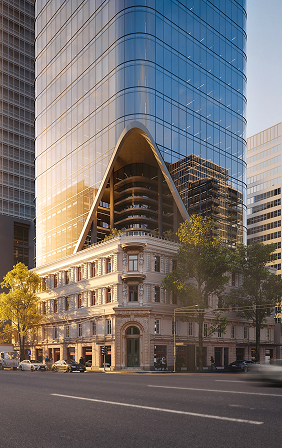
A small interior project might sit near the lower end when the room is straightforward, the files are clean, and the client only needs one or two polished images. But price rises if the scene includes custom furniture, layered lighting, luxury materials, or a more editorial visual style. A residential exterior often costs more because site context, vegetation, façade detail, and time-of-day lighting add real production load. And a commercial project can move much higher when multiple stakeholder reviews, several viewpoints, surrounding environment work, and presentation-grade realism are required. Recent guides for residential and commercial visualization both support this pattern: contained interior scenes usually price lower than large exterior or multi-building visuals, while bigger commercial scenes sit in a higher tier.
This is also why published averages should be treated as planning references, not final truth. Two projects may both be called “exterior renderings,” but one may be a simple concept image and the other may be a sales-critical marketing asset. That difference changes the architectural rendering price fast. A studio like Fortes Vision is valuable here because it can price based on business use, not just on file type. That leads to a more accurate quote, better scope alignment, and a much lower chance that you either underbuy quality or overpay for detail you do not need.
How to Choose the Right Rendering Company for Your Budget
Choosing a vendor on price alone is how many projects go sideways. A low quote can look efficient at the start, but it does not help if the team misses the brief, delivers weak visuals, or keeps the project stuck in revisions. When buyers compare 3d rendering services, they should look at fit, process, and reliability just as closely as they look at rendering services pricing.
The first thing to check is portfolio relevance. Not just whether the work looks nice, but whether the company has done the kind of work you need. A studio that is strong in product CGI is not automatically the right fit for architecture. A team that produces basic concept visuals is not always the right choice for high-end marketing imagery. Hiring guidance for 3D rendering stresses reviewing past work for the right scope and quality level, and current industry pricing guidance also ties cost directly to project complexity, expected quality, and provider skill.
The next thing to review is process clarity. A good rendering partner should be able to explain what is included in the quote, how revisions work, what files are needed, and how the timeline will be managed. That matters because unclear scope is one of the most common causes of cost overruns and disappointing results. If a vendor is vague about revisions, deliverables, or production steps, that is a warning sign. The same applies if they cannot explain how they handle missing source files, asset licensing, or quality control. Industry hiring advice specifically points to hidden expenses such as third-party asset purchases and stresses asking the right questions before work begins.
Red flags are usually easy to spot once you know what to look for. Be careful with quotes that seem unrealistically low, portfolios that feel inconsistent, timelines that sound too good to be true, or communication that stays vague when you ask detailed questions. Those signals often point to rushed work, outsourcing without oversight, or weak production structure. A studio like Fortes Vision is valuable here because the service is not just about producing an image. It is about giving the client a defined process, a realistic scope, and a final result that supports real business use. That is also why this article should naturally connect to How to Hire a Rendering Company. Buyers who understand the hiring side usually make better pricing decisions and avoid paying twice for the same project.
When It Makes Sense to Invest More in Rendering
There are cases where a higher architectural rendering price is not a cost problem. It is the smarter decision. This usually happens when the rendering is tied directly to sales, leasing, investor communication, approvals, or brand presentation. In those cases, better visuals are not just decorative. They help the project perform. Recent real-estate visualization guidance says high-quality renders help projects attract attention, support faster decision-making, and communicate value more clearly across marketing channels and investor materials.
That is why high-end rendering often makes sense for pre-sales campaigns, premium developments, investor decks, and public-facing launch materials. If the image is expected to build trust, explain future value, or help someone commit before a space is built, weak visuals can create friction. A lower-cost render may save money upfront, but it can also reduce perceived value, slow approvals, or make the project less persuasive. Current industry material on property and bedroom renderings frames visualization as a business asset tied to marketing outcomes and presentation quality, not just as a design extra.
This does not mean every project needs premium rendering. It means the investment should match the business use case. If the image is only for internal discussion, lower-tier output may be enough. But if the rendering is supposed to help sell, lease, win approval, or support funding conversations, stronger rendering services pricing can be justified. That is where Fortes Vision should stand out in the reader’s mind: not as the cheapest option, but as the team that helps clients invest at the right level for the result they actually need.
3D Rendering Timeline and Its Impact on Cost
Timeline is one of the clearest pricing variables in this market. The same project can cost more simply because the deadline is tighter. Current residential rendering guidance notes that expedited delivery often raises price because the visualization team has to dedicate more resources to hit the deadline, while larger deliverables such as animations and walkthroughs also require more production time than still images.
This matters because many buyers treat schedule as separate from budget, when in reality the two are closely linked. A standard production window gives the team time for scene preparation, material development, lighting, draft review, revisions, and final output. A rush timeline compresses all of that. It can require overtime, production reshuffling, or parallel workstreams to keep delivery on track. That is why rendering pricing often rises when deadlines get aggressive, even if the scope stays the same. Current pricing guidance also points to timeline and revision structure as core cost drivers in architectural visualization work.
The practical takeaway is simple: if you want better control over 3d rendering services cost, plan early. Give the studio enough time to build properly, not just fast. That usually leads to better visuals, fewer mistakes, and less budget pressure. It also helps the client avoid paying extra for avoidable urgency. This section should naturally support an internal link to Rendering Timeline, because buyers who understand production timing usually make better scope decisions. And again, this is where Fortes Vision has an advantage. A structured studio process does not just protect quality. It also helps clients set realistic timelines before a project turns into a rush job.
Best 3D Rendering Companies – Does Price Reflect Quality?
If you compare the best rendering companies in the U.S., you will notice one thing fast: pricing is not uniform. Some studios charge significantly more than others. And yes, in many cases, higher rendering services pricing does reflect higher quality. But not always in the way people expect.
It is not just about visual polish. It is about consistency, process, and reliability. Strong studios deliver predictable results. They manage revisions. They communicate clearly. They hit deadlines. And they understand how to adapt visuals to a business goal, not just make something look good.
Lower-cost vendors can still be a fit. But risk is usually higher. You may get uneven quality, unclear timelines, or extra revision cycles. That is where “cheap” becomes expensive.
When you look at top studios, you are paying for a controlled process. That includes art direction, QA, structured feedback loops, and production planning. And that is what actually protects your budget.
If you are comparing options, do not ask “who is cheapest?” Ask:
- can they deliver what I need without rework?
- can they handle my scope without delays?
- will I need to redo this later?
That is where companies like Fortes Vision stand out. The value is not just in the image. It is in getting the right result the first time.
What You Should Expect to Pay
By now, the pattern should be clear. 3d rendering services cost is not a fixed number. It is a range shaped by scope, quality, and usage.
For simple projects, you may stay in the lower range. For marketing-grade visuals, pricing moves higher. For complex commercial work or animation, it increases again. That is normal.
What matters more is alignment. If the rendering is tied to revenue, approvals, or investor decisions, cutting cost too aggressively can backfire. If the rendering is only for internal use, overpaying also makes no sense.
So the goal is not to find the lowest rendering services pricing. It is to match the level of investment to the outcome you need.
Most problems in this space come from mismatch:
- too cheap → weak visuals
- too expensive → unnecessary detail
- unclear scope → rising costs
A good studio helps avoid all three. That is where experience matters more than price alone.
Get an Accurate Quote for Your Project
Every project is different. And any real estimate of 3d rendering services cost should be based on your actual files, scope, and goals.
Online ranges are useful for planning. But they are not enough to make a decision.
If you want a reliable number, the best step is simple: share your plans, references, and expected output with a team that understands production.
At Fortes Vision, the focus is not just on giving a price. It is on defining the right scope, reducing unnecessary work, and making sure the final result is usable for your case.
If you are planning a project and want a clear, realistic quote, you can explore our 3D rendering services
Your Journey | to Marketing Renders | That Bring Out | The Best in Your | Project
Read Our Whitepaper